School physics Learn interactively.
Secondary-school physics made tangible — optics, mechanics, waves and more to explore.
All subjects App catalogue
All apps. Free in your browser.
The exposure triangle
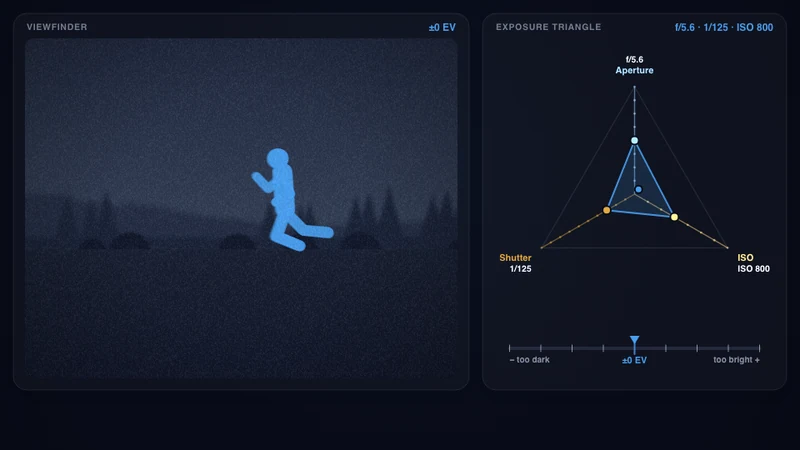
Aperture, shutter and ISO on a simulated photo: a park scene with a passing coupé and string lights, by day, at dusk or at night. A wide aperture softens the background and enlarges the bokeh, long shutter speeds smear the car into light trails, high ISO adds noise. "Hold EV" balances every change with another setting — light balance in stops, light meter and live histogram show: same brightness, different look.
School physicsTry itDensity and buoyancy
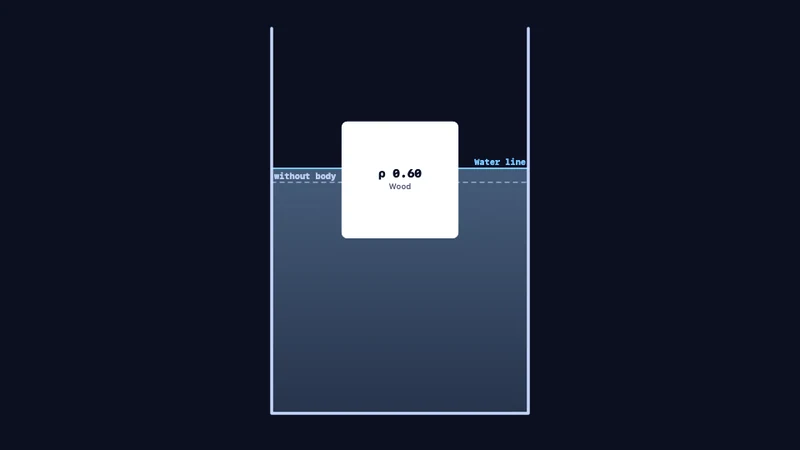
Change an object’s density and size in water. Compare buoyant force with weight and explore why density, rather than weight alone, determines floating.
School physicsTry itThe Doppler effect
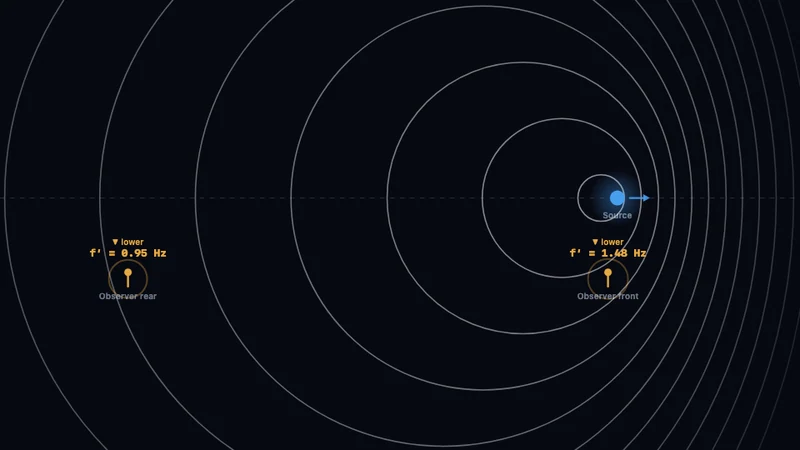
Move a sound source and compare compressed and stretched wavefronts. Explore observed frequency, audible pitch changes and the Mach cone beyond sound speed.
School physicsTry itAdditive and subtractive colour mixing
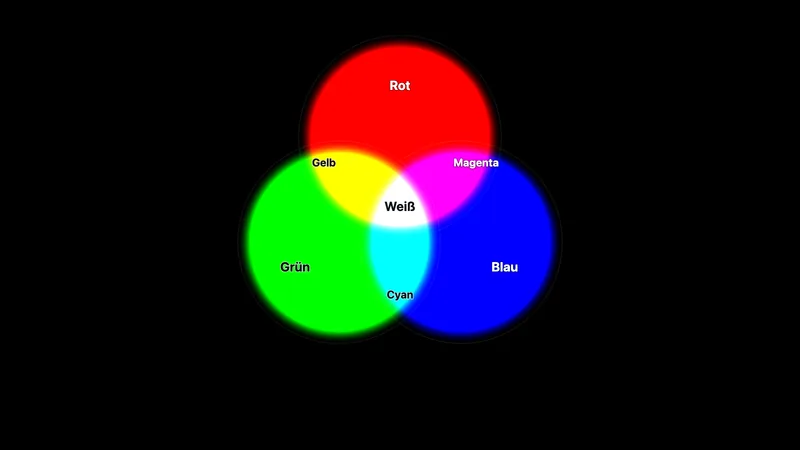
Compare RGB light with CMY pigments using intensity controls. Discover why combining colours produces different results for light and paint.
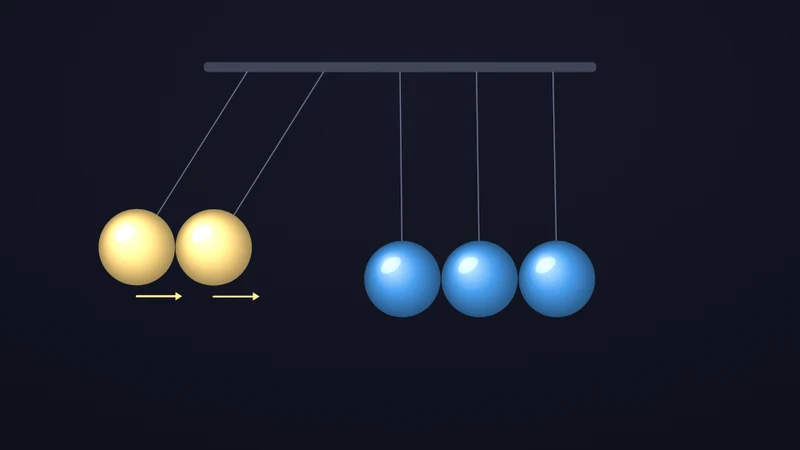
School physicsTry itNewton’s cradle and collisions
Compare elastic and inelastic collisions using momentum and kinetic energy before and after impact. Explore why different numbers of balls emerge.
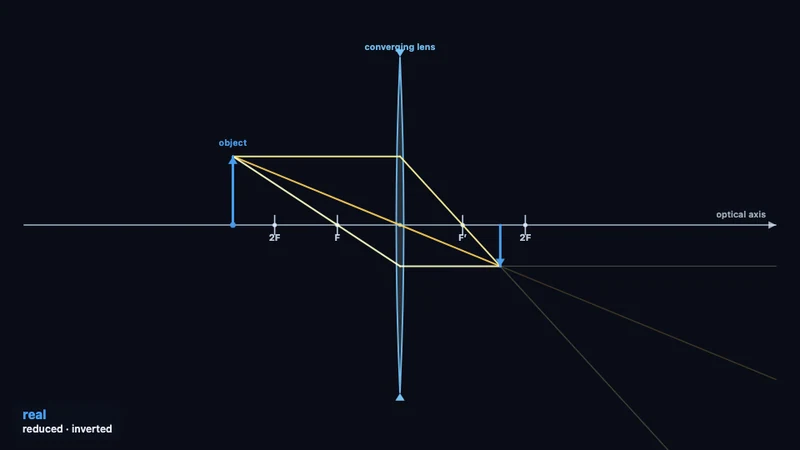
School physicsTry itConverging lenses and ray diagrams
Drag an object and adjust focal length to construct images with three principal rays. Compare real inverted and virtual upright images and the lens equation.
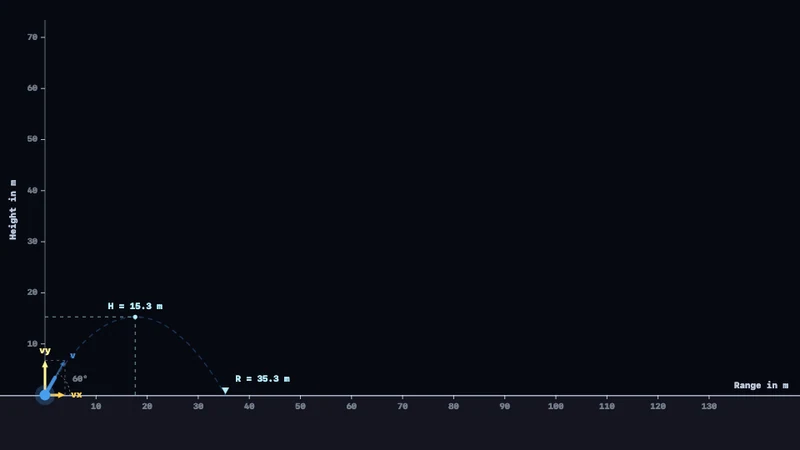
School physicsTry itProjectile motion
Set launch angle and speed, then compare horizontal and vertical motion. Explore parabolic paths, range and optional air resistance.
School physicsTry it