Series · Nobel Prizes 2026
 6:16
6:16The 2026 Nobel Prizes, explained
In October, the 2026 Nobel Prizes were announced in Stockholm. What are the discoveries actually about? Four interactive films explain them, each in four chapters: a light switch for nerve cells, a telescope made of ice at the South Pole, molecules with a left and a right hand, and why even the words of a central bank move the economy. Pause any film, ask questions and try the experiments yourself.
All episodes
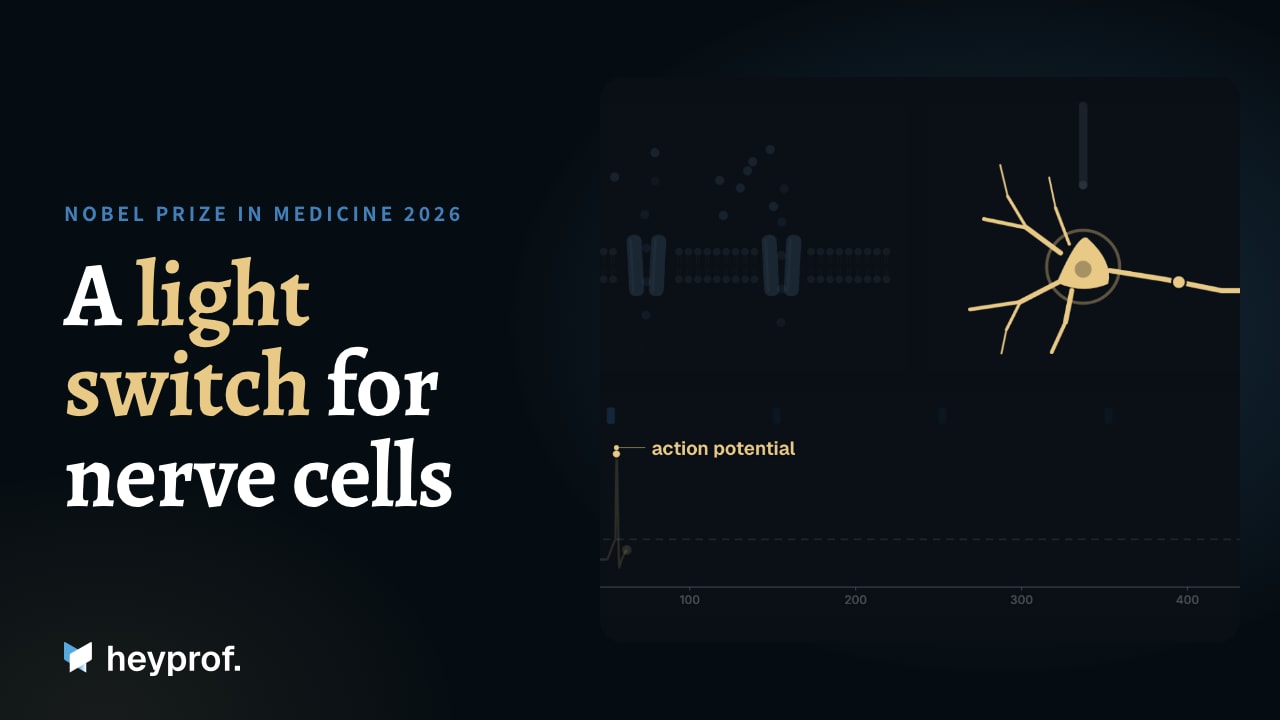
- 6:16Episode 1 · 6:16A light switch for nerve cellsHow does a single cell notice where the light is?Medicine: Karl Deisseroth, Peter Hegemann and Georg Nagel put a light channel from an alga into nerve cells. Since then, light switches chosen cells on and off.
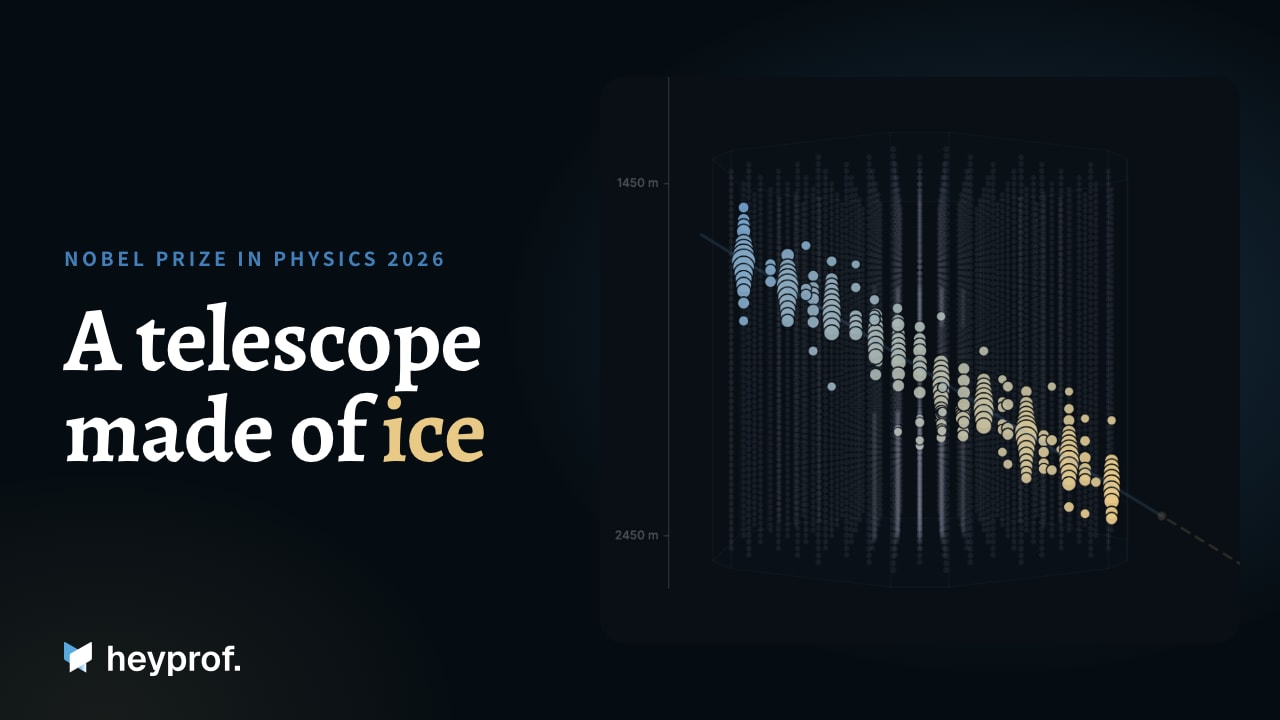 6:07Episode 2 · 6:07A telescope made of iceWhat is flying through your thumb right now?Physics: Francis Halzen conceived IceCube, a cubic kilometre of ice full of light sensors at the South Pole. It catches neutrinos from space and shows where they come from.
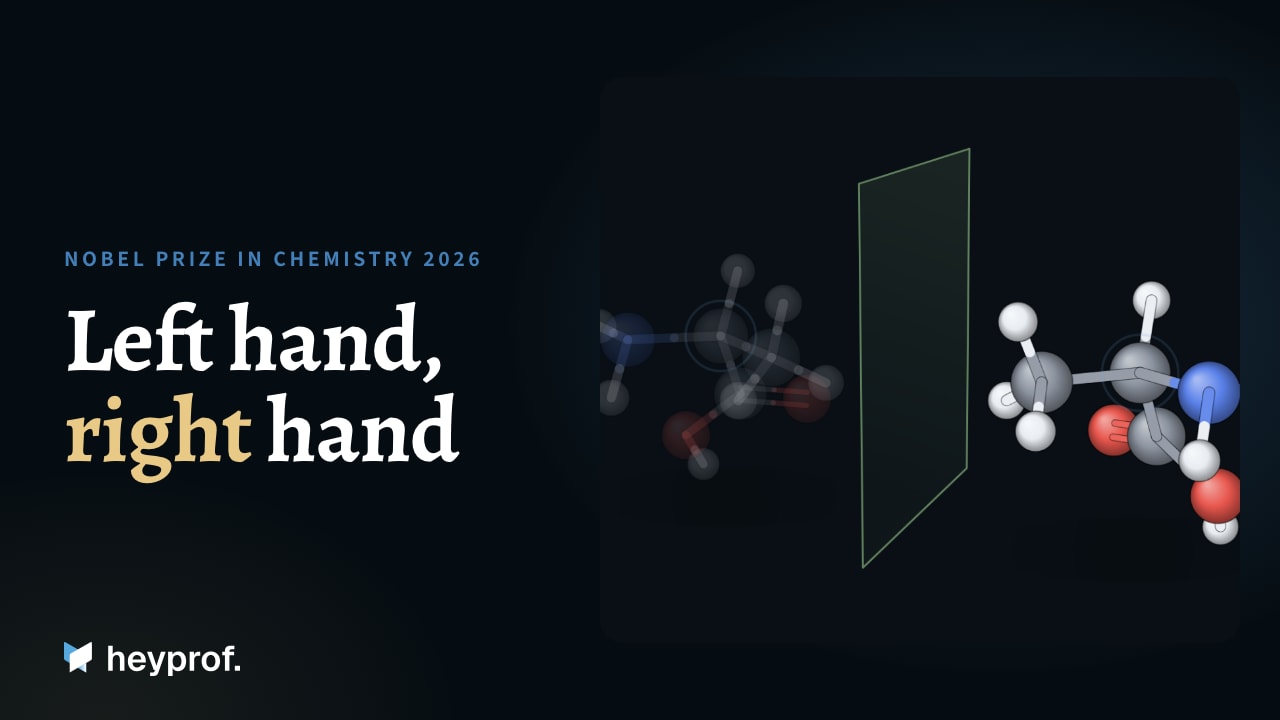 Episode 3Left hand, right handIs a molecule the same as its mirror image?Chemistry: Henri B. Kagan and Kenso Soai showed how a small excess of one molecular hand turns into almost only that hand.
 Episode 4Why a Central Bank’s Words MatterWhat decides how much we spend?Economic sciences: Robert E. Hall and Michael Woodford explained why the policy rate works and why a credible announcement already moves things today.