Skip to content
On this page

Collection

Open Problems, Solved by AI Experience it live.

Mathematical questions open for decades, for which an AI model proposed solutions in 2026, as interactive apps: understand the problem, experience the result.

24 VisuApps
See the apps

App catalogue Walk through it as a space

Apps

All apps. Free in your browser.

The plane is not five-colourable (Hadwiger–Nelson)

The plane is not five-colourable (Hadwiger–Nelson)

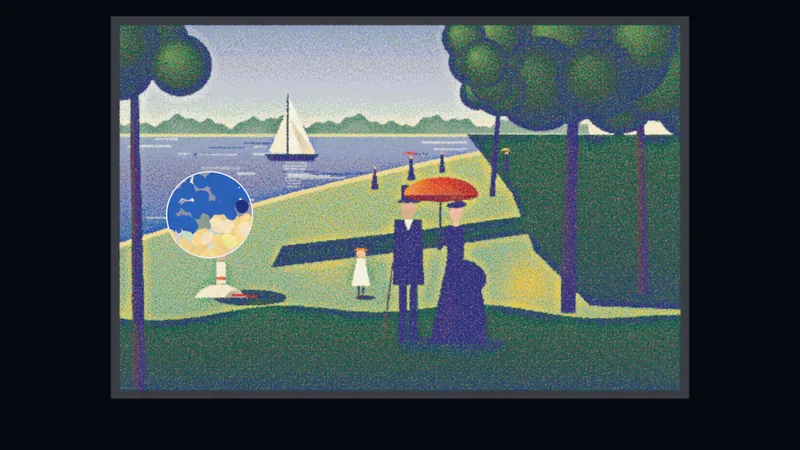
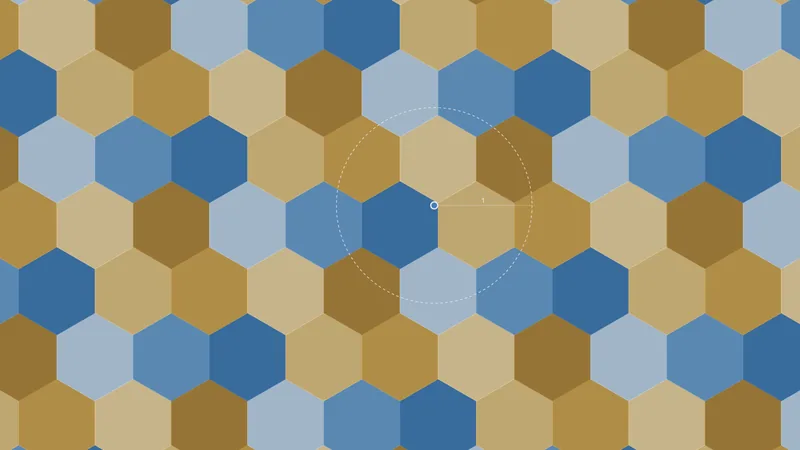
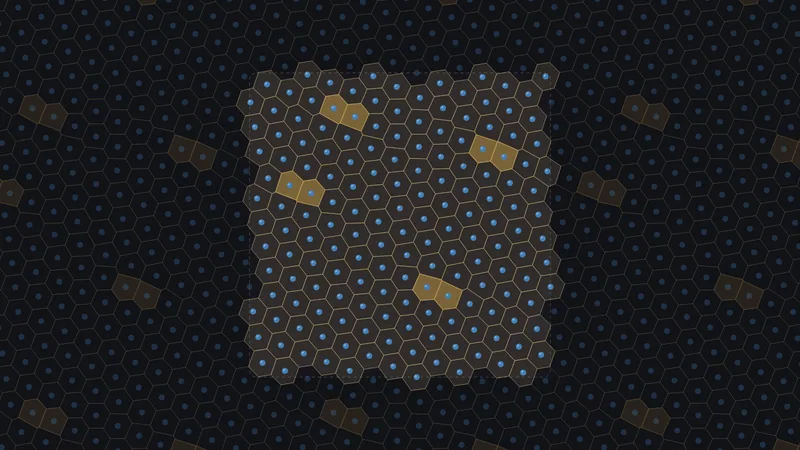
How many colours does the plane need so that points at distance 1 never share a colour? Isbell's hexagons show that 7 suffice at the right size. A unit circle marks every same-coloured pair at distance 1; stripes, squares and 5-colour attempts visibly fail, and the Moser spindle and Golomb graph sit on the plane as unit-distance graphs. Result from the AI preprint catalogue openai/math (family 158, Lean-formalised): 5 colours never suffice, so the answer is 6 or 7.

Open problems, solved by AITry it
Triangular lattice — universal optimality

Triangular lattice — universal optimality

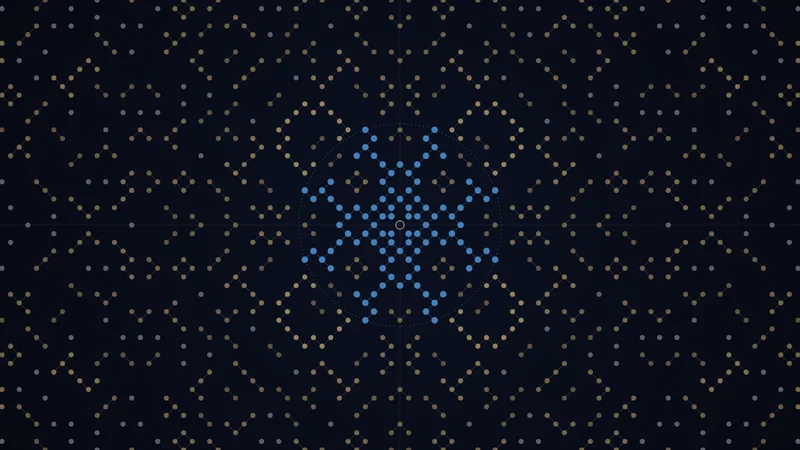
Mutually repelling particles at fixed density order themselves into a hexagonal honeycomb — for every completely monotone repulsion (Gaussian, Riesz, screened). Choose potential and range, relax from random or from a square lattice, watch defects and the circle packing; charts show that square, rectangular and rhombic lattices have more energy for every slider value. Cohn–Kumar conjecture in the plane, family 090 from github.com/openai/math (AI-generated preprint, main theorem formalised in Lean).

Open problems, solved by AITry it
Mahler conjecture: body and polar body (3D)

Mahler conjecture: body and polar body (3D)

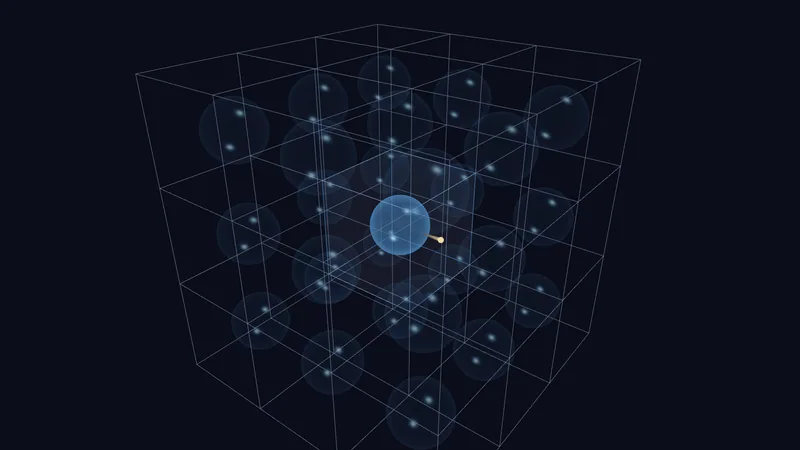
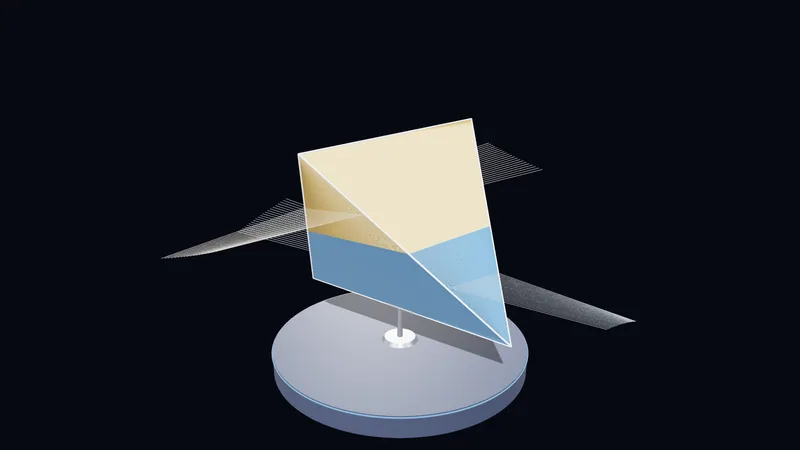
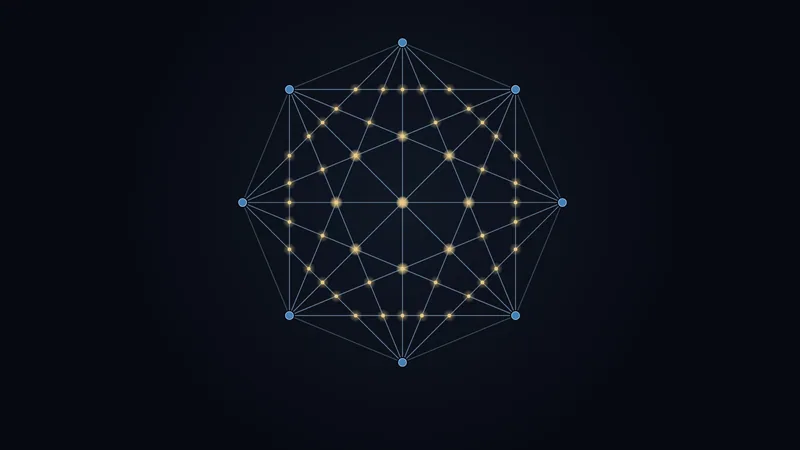
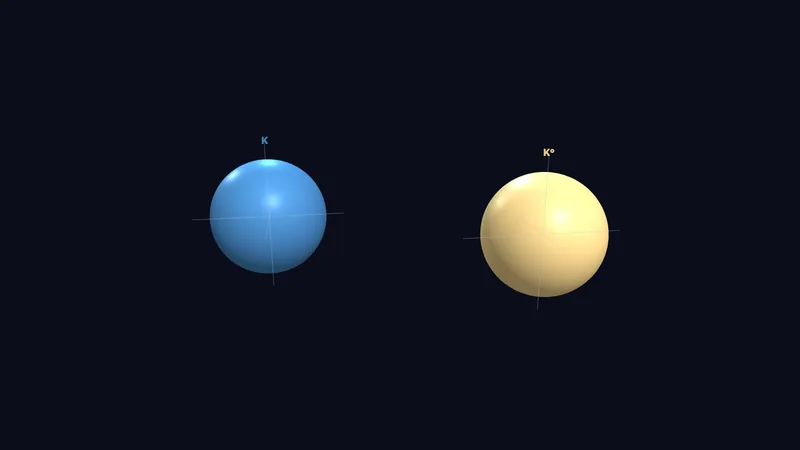
A symmetric body and its polar body: where one reaches far out, the other is narrow. Morph the cube into the ball and the octahedron, compare cylinders, zonotopes and a simplex with a movable centre – the gauge shows the volume product exactly. Cube and octahedron land exactly on the lower bound 32/3, the ball at the very top. Result from openai/math (family 087, formalised in Lean): |K||K°| ≥ 4ⁿ/n! in every dimension, equality exactly for Hanner bodies; in general the simplex is the minimum.

Open problems, solved by AITry it
Yau's nodal lines — Chladni on sphere and torus (3D)

Yau's nodal lines — Chladni on sphere and torus (3D)

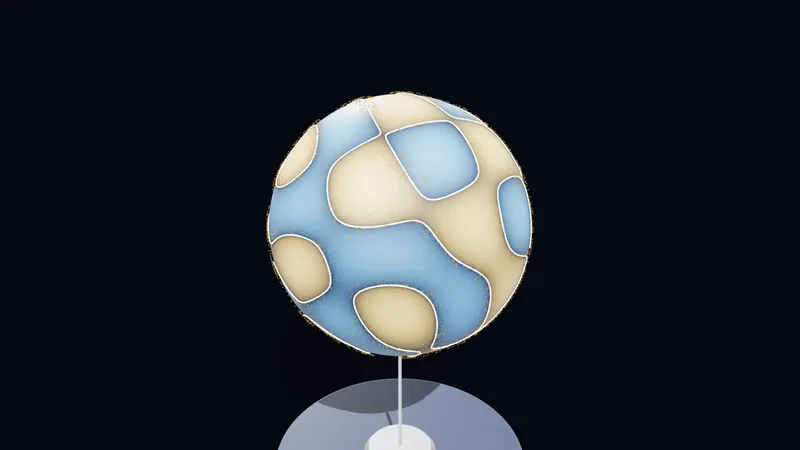
A vibrating surface has lines that stand still: sand gathers on them as on a Chladni plate. Spherical harmonics and torus waves up to level 14, rings, meridians, checkerboard or a random mixture, glowing nodal lines, length measured live. The chart shows that the length grows only like the frequency √λ, no faster. Yau's conjecture for smooth surfaces, plus the counterexamples in dimensions 3 to 5; openai/math family 350 (formalised in Lean). Exhibit-ready.

Open problems, solved by AITry it
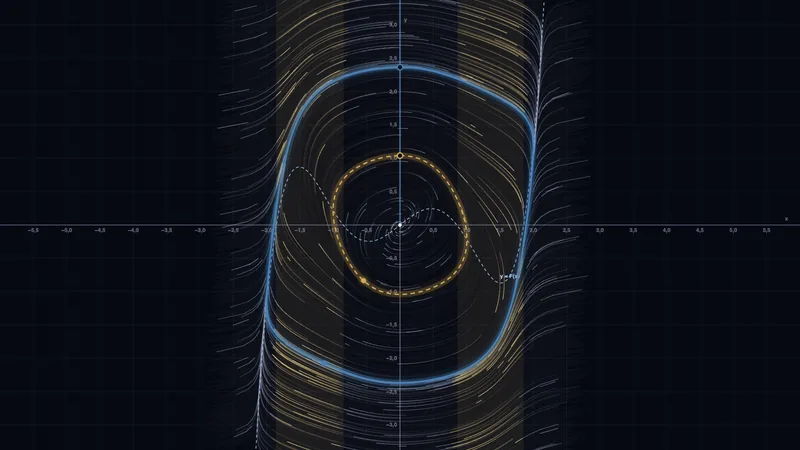
Barnette's conjecture: a round trip over every polyhedron (3D)

Barnette's conjecture: a round trip over every polyhedron (3D)

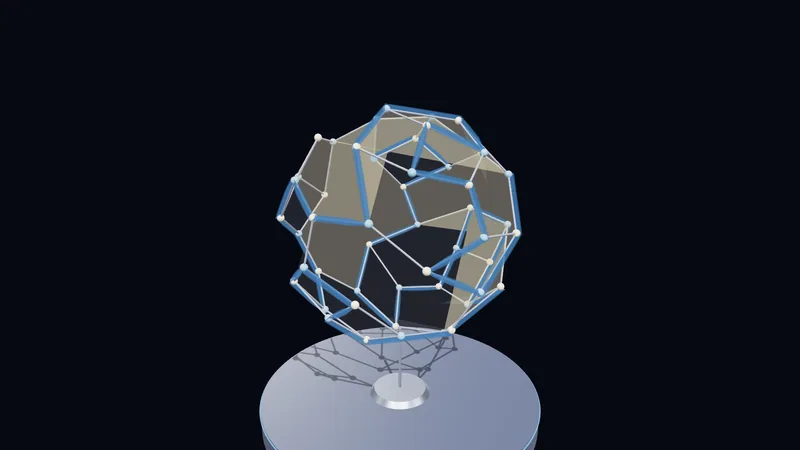
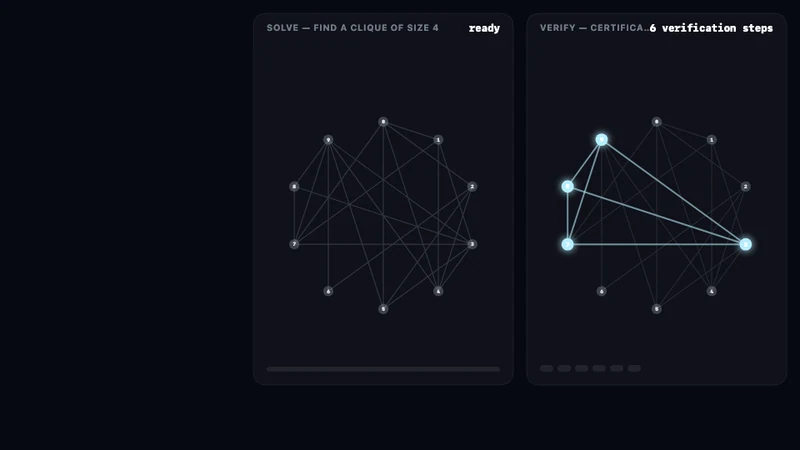
A polyhedron with three edges at every vertex and only even faces always has a round trip that visits every vertex exactly once. A glowing thread searches for it live by backtracking: on the cube, a prism, Archimedean solids and random polyhedra with faces up to twelve vertices and more. Vertices in two colours, large faces tinted. Two counterexamples, each missing one condition (Tutte graph, three chambers), make the complete search fail. openai/math family 180 (formalised in Lean). Exhibit-ready.

Open problems, solved by AITry it
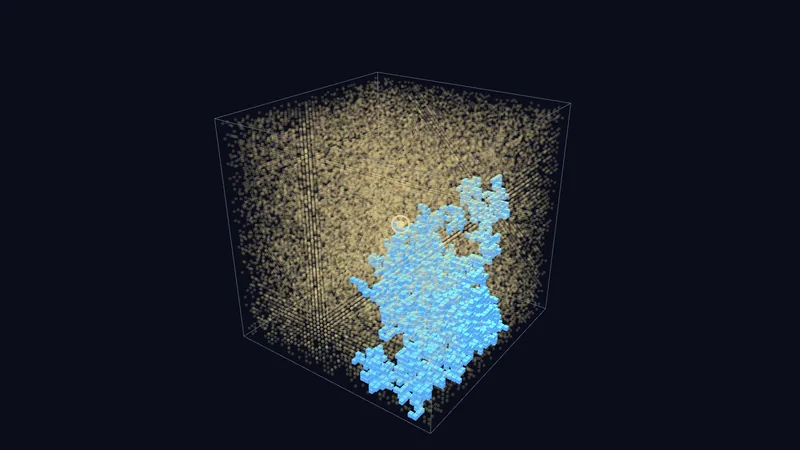
Gaussian propeller — the best partition of space (3D)

Gaussian propeller — the best partition of space (3D)

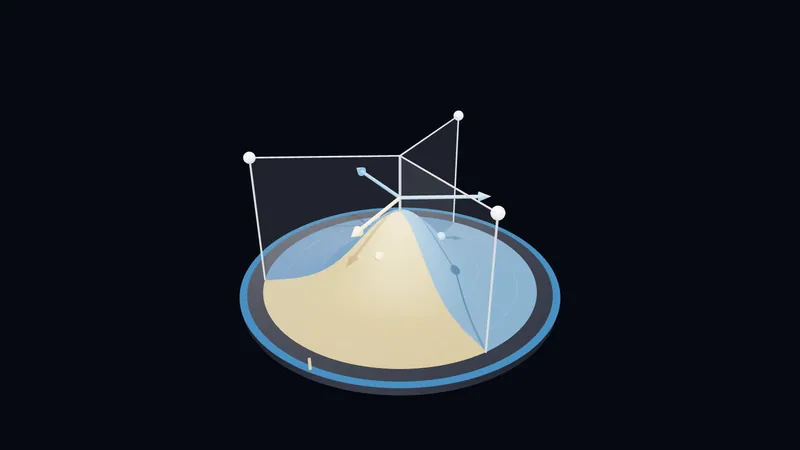
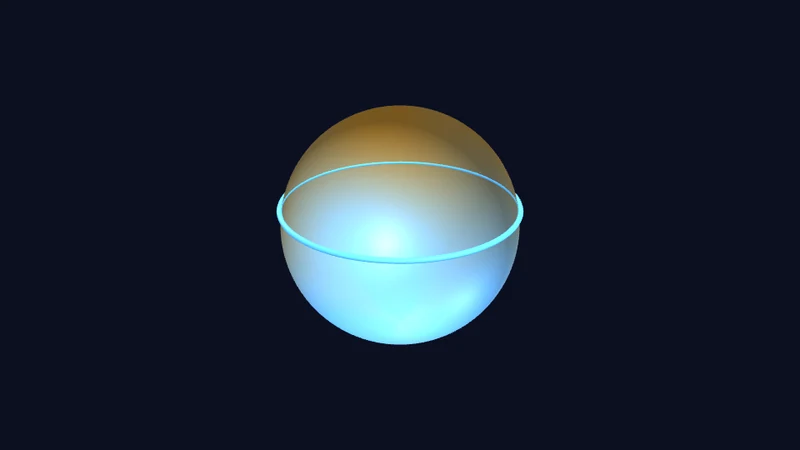
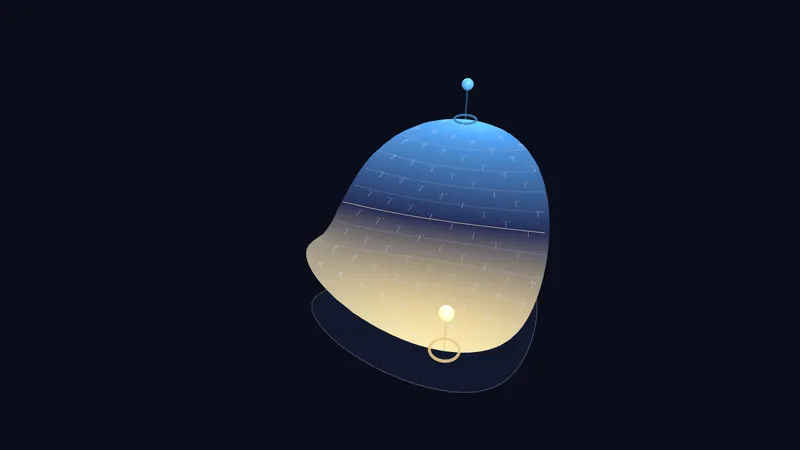
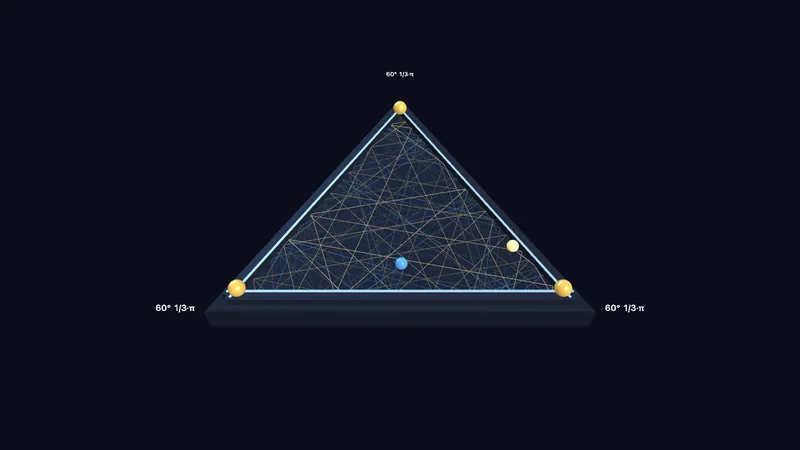
A Gaussian hill, glass walls that split it into sectors, and arrows for the Gaussian centroids of the cells: drag the walls, 2 to 6 sectors, shift the centre, compare half-space, tetrahedron, cube and octants in space. The measuring ring closes only for the propeller of three 120° sectors with value 9/(8π). Result from openai/math (family 096, formalised in Lean): no partition in any dimension gets above it. Exhibit-ready.

Open problems, solved by AITry it
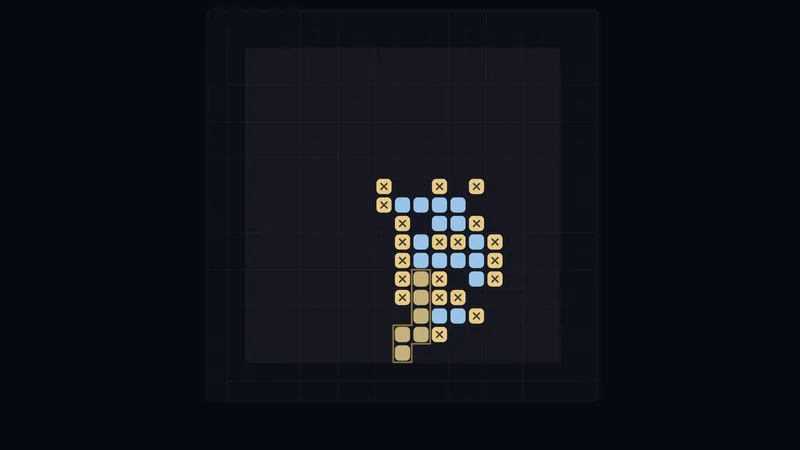
Kakeya needles: tubes in every direction (3D)

Kakeya needles: tubes in every direction (3D)

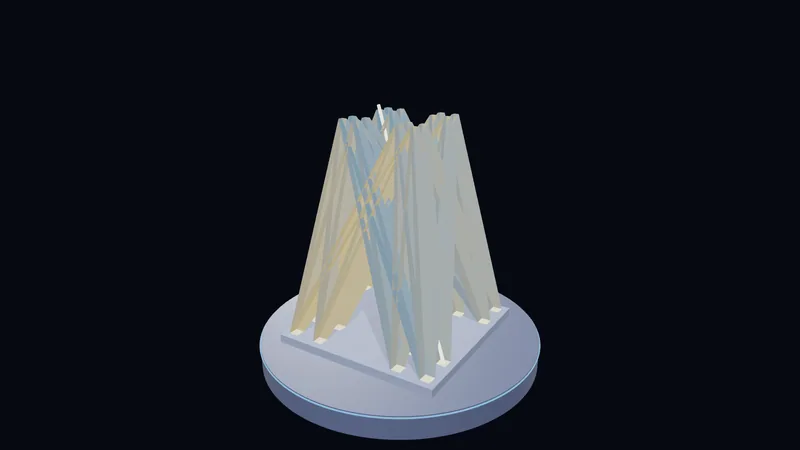
How tightly can needles pointing in many different directions be pushed together? The Kahane construction as a bundle of 16, 256 or 4096 tubes: pushed together, the volume of the union shrinks, but only logarithmically slowly, more slowly than any power of the thickness δ. Glowing needle through all directions, chart 2D versus 3D, planar Besicovitch set. Result from openai/math (family 074): Kakeya maximal conjecture in 3D, full dimension in 4D. Exhibit-ready.

Open problems, solved by AITry it
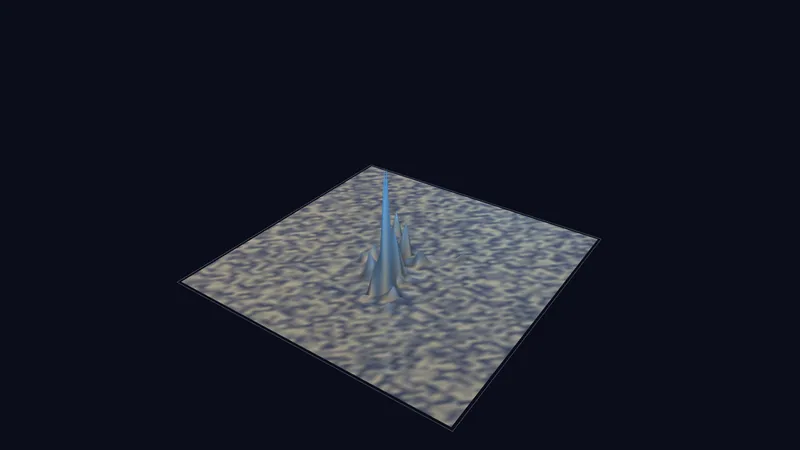
Quasi-Riemann hypothesis: the zeta landscape (3D)

Quasi-Riemann hypothesis: the zeta landscape (3D)

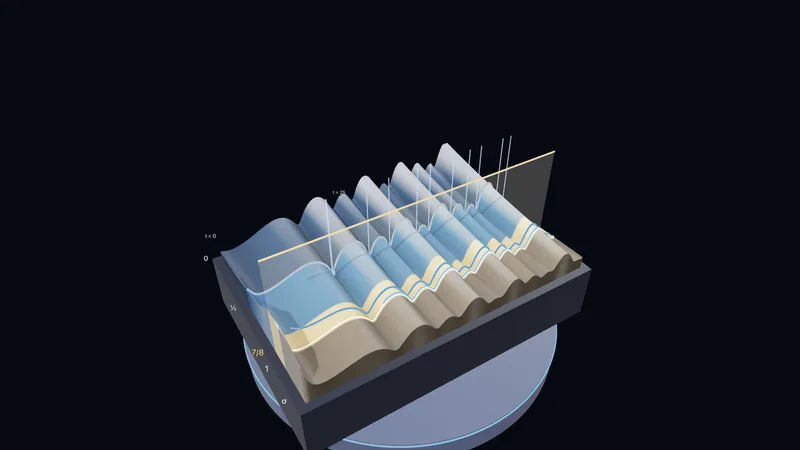
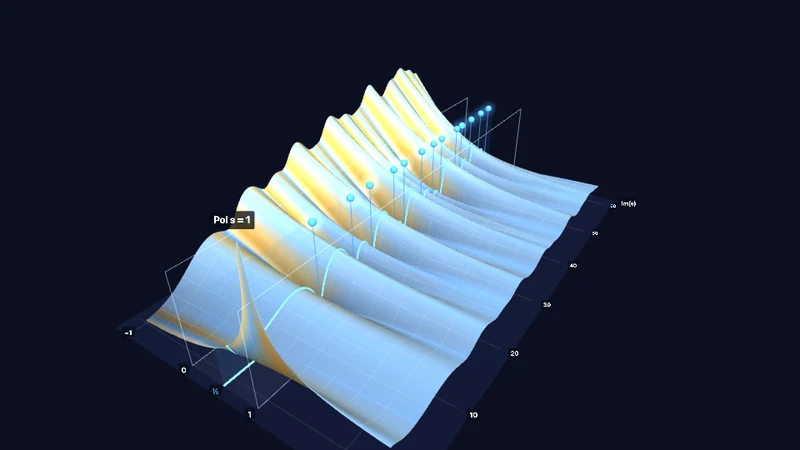
The Riemann zeta function as a landscape over the critical strip: where it touches the floor there is a zero, each one carrying a light needle on σ = ½. Behind a glass wall at 7/8 lies the strip now proven zero-free, at every height; the old boundaries of 1899 and 1958 instead creep towards 1. Window up to t = 1000, prime consequence π(x) vs li(x). Result from openai/math (family 003, formalised in Lean); the Riemann hypothesis itself remains open. Exhibit-ready.

Open problems, solved by AITry it
Many infinite clusters: percolation in hyperbolic space (3D)

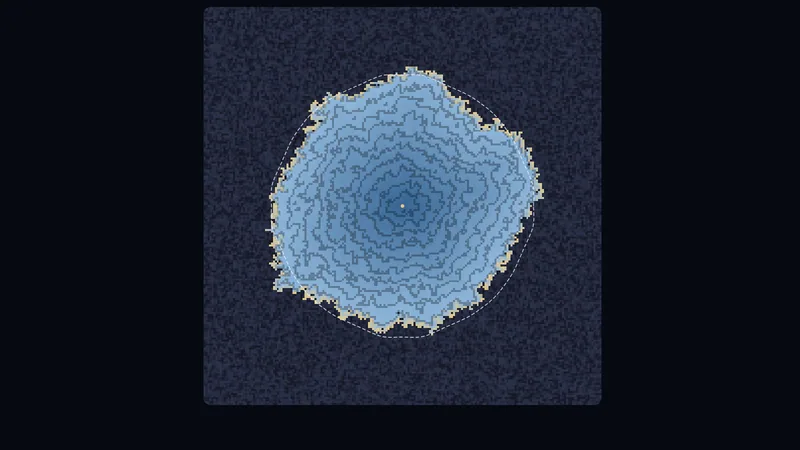
Many infinite clusters: percolation in hyperbolic space (3D)

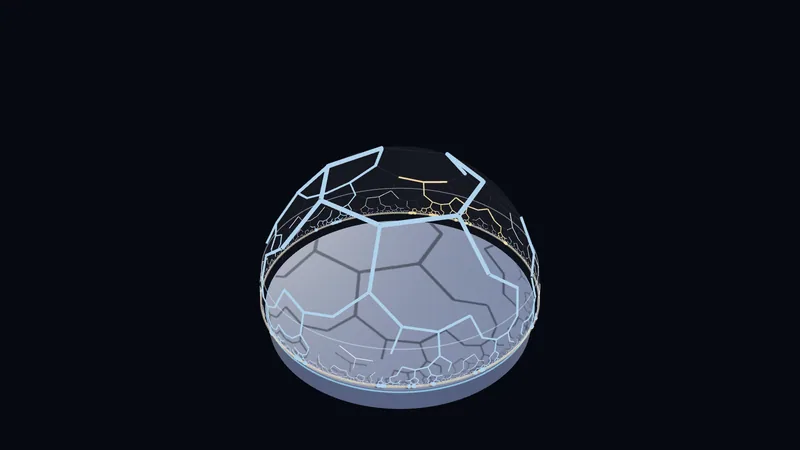
A dome of heptagons, the {7,3} lattice of the hyperbolic plane: every edge is open with probability p. Between p_c and p_u several separate clusters reach the rim at once; on ℤ² it jumps straight from none to one. Dome, Poincaré disc and ℤ² comparison, counter and curve over p. Benjamini–Schramm 1996, proved for every nonamenable graph in openai/math, family 214 (formalised in Lean). Exhibit-ready.

Open problems, solved by AITry it
Steinitz walk — short partial sums at any length (3D)

Steinitz walk — short partial sums at any length (3D)

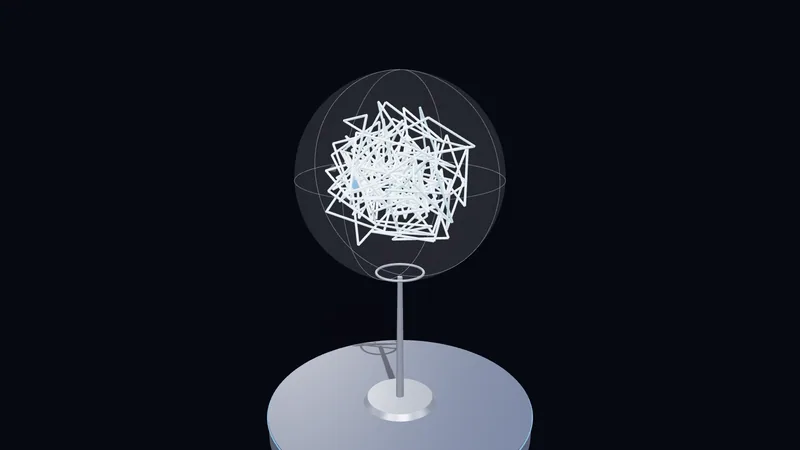
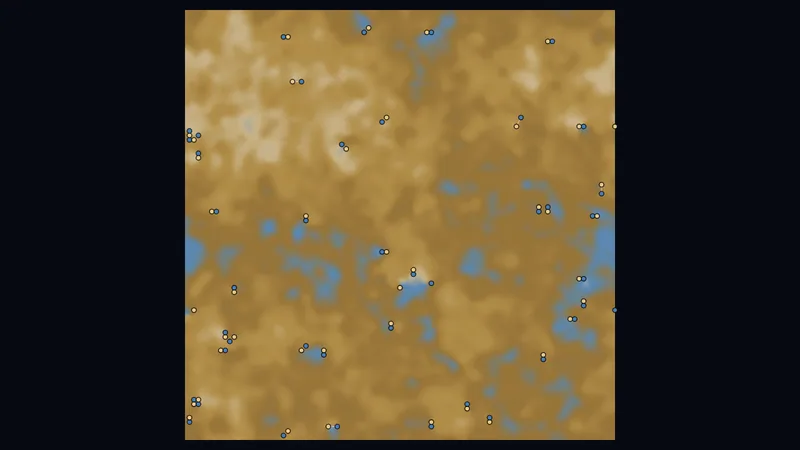
Many short arrows, each may be flipped: does the walk of partial sums stay in a ball of radius √d, however long it is? Random signs run off like √n, the greedy choice fails against an adversarial sequence, a search over the whole sequence stays inside. Sliders for steps (up to 2000) and dimension (2–12), charts over n and over d. Euclidean Steinitz–Bergström theorem, openai/math family 097 (formalised in Lean). Exhibit-ready.

Open problems, solved by AITry it
Cylinders below the half-area bound (3D)

Cylinders below the half-area bound (3D)

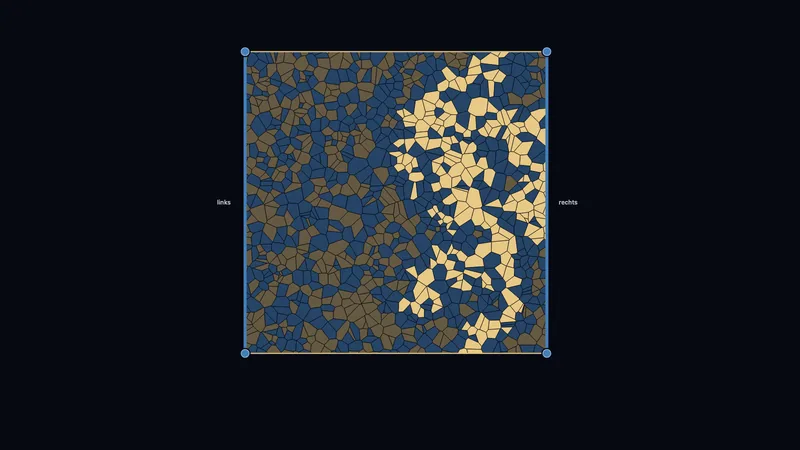
How little cross-section do cylinders need to cover a tetrahedron? Bang's two cylinders (1951) hit exactly half the smallest shadow area. Fanned out and slightly tilted, with matching side planes and a small margin, 2·⌈2/ε²⌉ cylinders get strictly below it. Choose tilt and sector count, see the exact cost, gap test with 120,000 points, coarse fanning tears. The gain is tiny but real. openai/math family 100 (formalised in Lean). Exhibit-ready.

Open problems, solved by AITry it
Collections

More collections. Curated by us.

New ideas for your teaching.

Want to use these apps in your courses? Let’s find out what works for you.
Tell us what this is about

One form, three matters. We answer personally.

What is this about?

We show heyprof on your own material. Tell us what you teach and we will prepare the conversation around it.

Your details

Where do you teach? (optional)

What comes back

Only when something new for your subject is ready. You will first get a mail with a confirmation link — without that click we do not add you, and we discard the address after a few days. Every later mail carries an unsubscribe link.

What happens next

  • A confirmation to your address, right away.
  • An answer from us, usually within two working days.
  • No phone call, nothing passed on to third parties.

We use your details only to answer you. Privacy policy