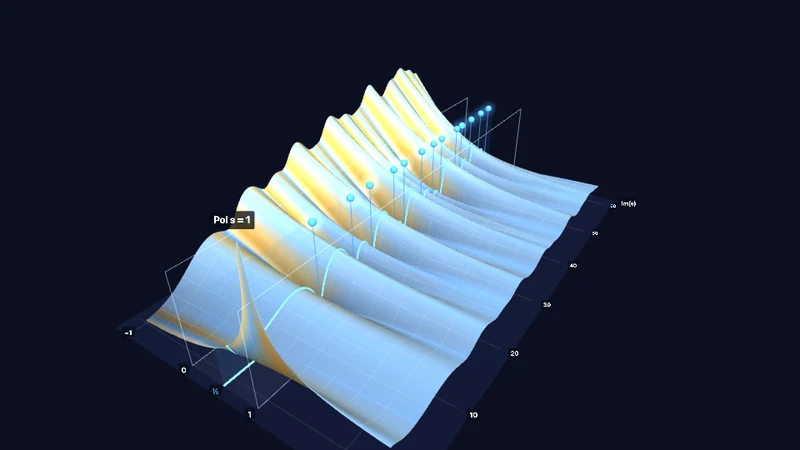
The Riemann hypothesis in 3D
Explore the complex zeta landscape, critical strip and zeros. Combine waves linked to zeros to reconstruct a prime-number staircase and follow the zeta spiral.
Number theoryTry itCollection
Riemann, P vs NP, Poincaré and other great questions of mathematics, made tangible.
Apps
Explore the complex zeta landscape, critical strip and zeros. Combine waves linked to zeros to reconstruct a prime-number staircase and follow the zeta spiral.
Number theoryTry it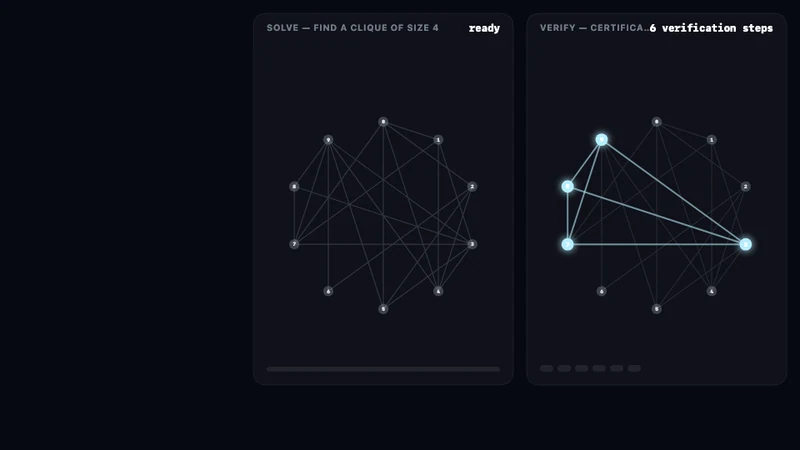
Compare finding a clique with checking a certificate. Explore polynomial and exponential growth and the possible relationships between P, NP and NP-complete problems.
Computer scienceTry it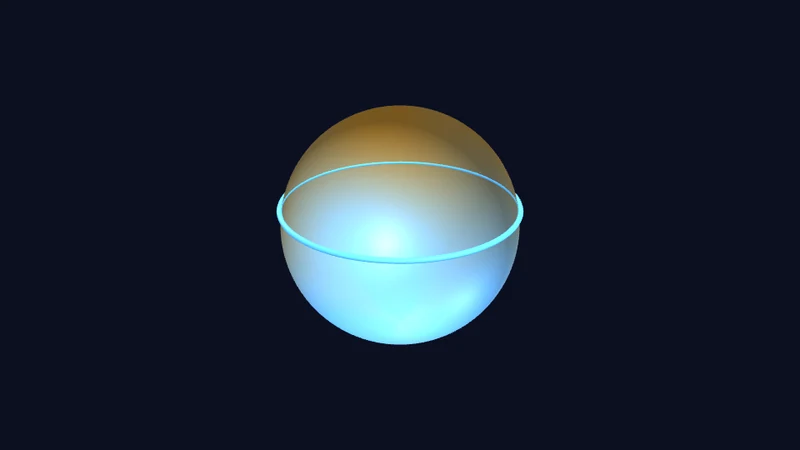
Shrink loops on sphere-like surfaces and a torus. Explore a schematic Ricci flow, smoothing and surgery inspired by Perelman’s solution.
Differential geometryTry it
The proof of the Banach–Tarski paradox in six walk-through chapters: two rotations generate the free group (type words, the ball rotates along), the Cayley tree splits into five pieces, the Hilbert-Hotel trick unfolds one branch into almost everything — and finally the dust pieces reassemble into two oranges. Including the axiom of choice and the resolution of why no gold gets duplicated.
Visual proofsTry it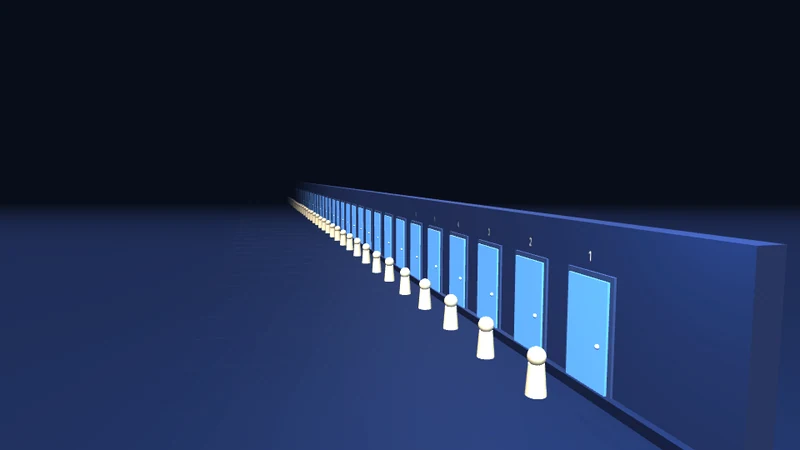
The hotel with infinitely many rooms is full — and still admits 1, n or infinitely many new guests. Three scenarios as a 3D move.
Visual proofsTry it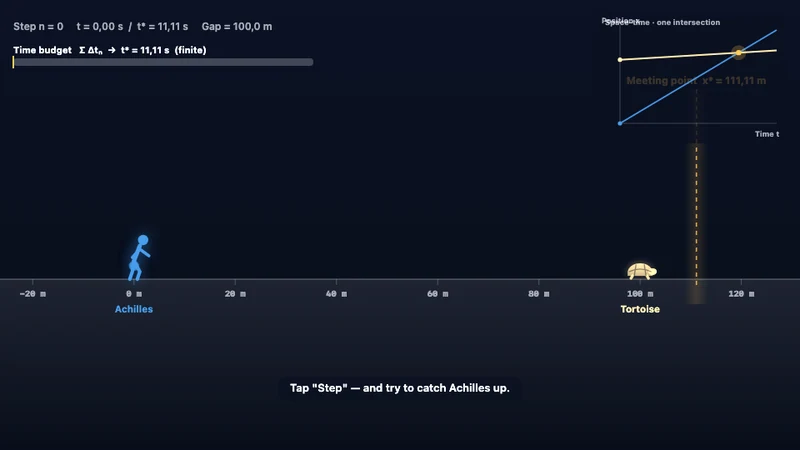
Zeno's paradox to touch: step through manually or run automatically — the "while he was here, she was there" snapshots happen faster and faster. "Resolve" lets both move at constant speed, Achilles overtakes at the meeting point. With zoom/pan, time account and space-time window.
Visual proofsTry it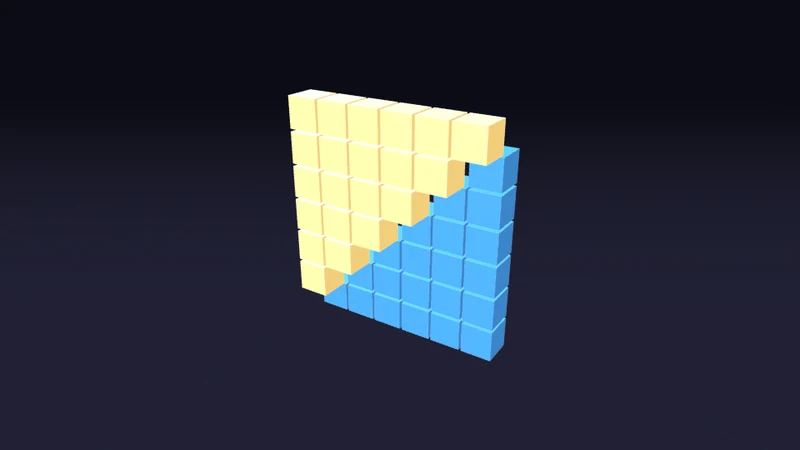
The sum 1+2+…+n as a staircase — a second staircase rotates in from above and completes the rectangle.
Visual proofsTry it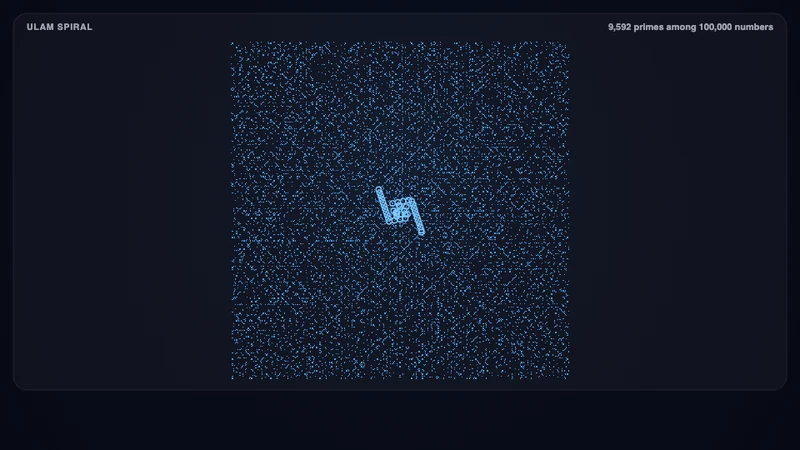
Ulam spiral with up to a million numbers: hover a cell and its diagonal becomes the formula 4t² + bt + c — with start number 41 Euler's polynomial yields 40 primes in a row. The polar view shows spokes turning into spiral arms.
Number theoryTry it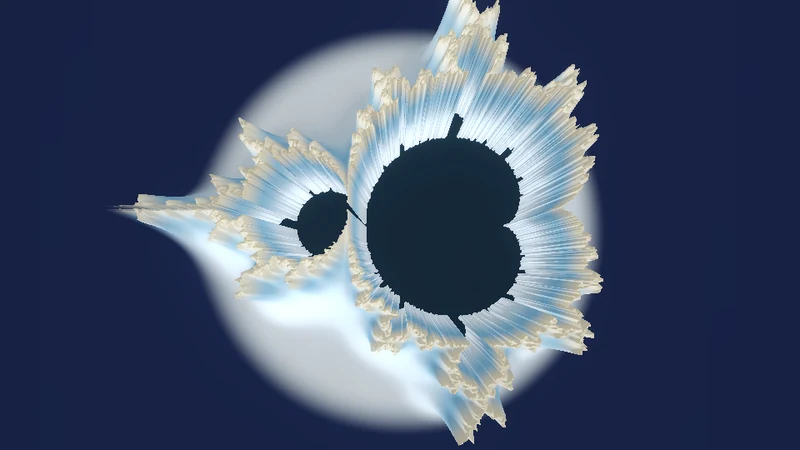
The Mandelbrot set as a 3D mountain landscape — escape time of the iteration z²+c becomes height, self-similarity becomes spatially tangible. GPU shader, live zoomable up to ~1e+12, presets for seahorse valley, elephant valley, mini-Mandelbrot.
FractalsTry it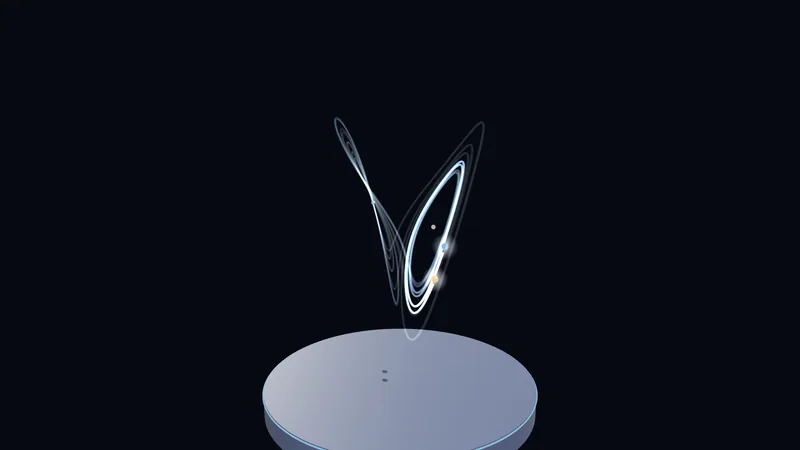
The Lorenz equations integrated live as a glowing ribbon: two paths with an initial offset down to 10⁻⁹ drift apart and yet stay on the same double loop. ρ below 24.74 lets the path fall into a fixed point; distance and behaviour are shown. Exhibit-ready.
Chaos & DynamicsTry it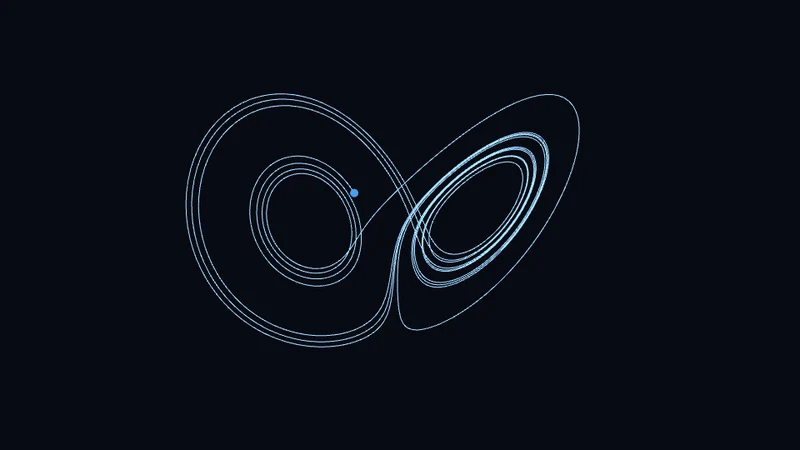
Twelve chaotic systems (Lorenz, Rössler, Aizawa, Thomas, Halvorsen, Chen, Lü, Dadras, Sprott, Arneodo, Four-Wing, Rabinovich–Fabrikant) as particle drops with a leading trail, equations and live parameters. The twin experiment shows how an offset of 10⁻³ grows exponentially — deterministic and yet unpredictable.
Chaos & DynamicsTry it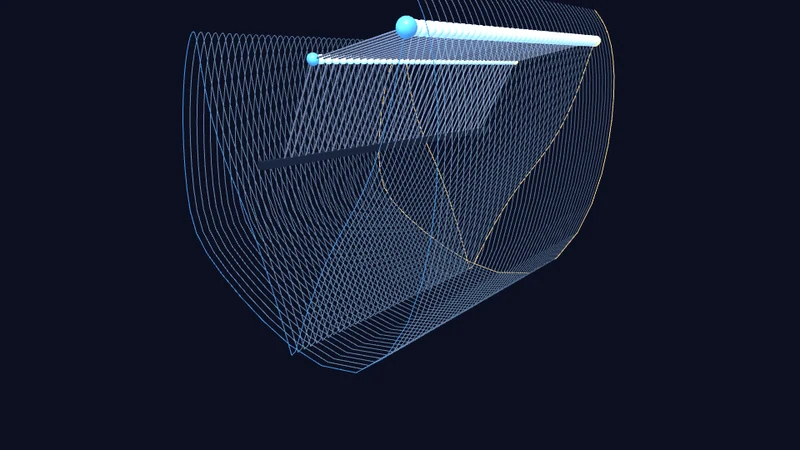
Up to 60 double pendulums start almost identically — their glowing trails form a 3D curtain that visibly tears into chaos. Perturbation Δθ₀ down to 10⁻⁷° adjustable, a divergence plot shows exponential growth (Lyapunov); at small angles everything stays permanently ordered.
Chaos & DynamicsTry it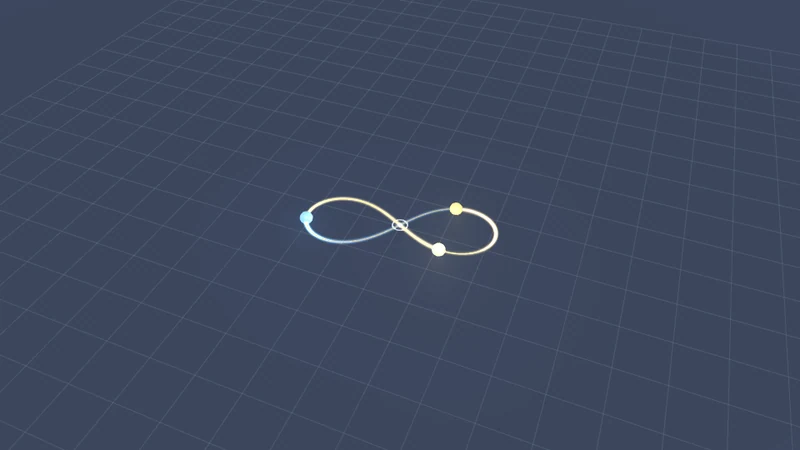
More than 2,000 periodic three-body orbits from the Li–Liao database in 3D — figure-8, goggles, yin-yang and thousands of equal- and unequal-mass families. A 0.1 % nudge against an unperturbed ghost run shows how the very same equation tips into chaos.
Chaos & DynamicsTry it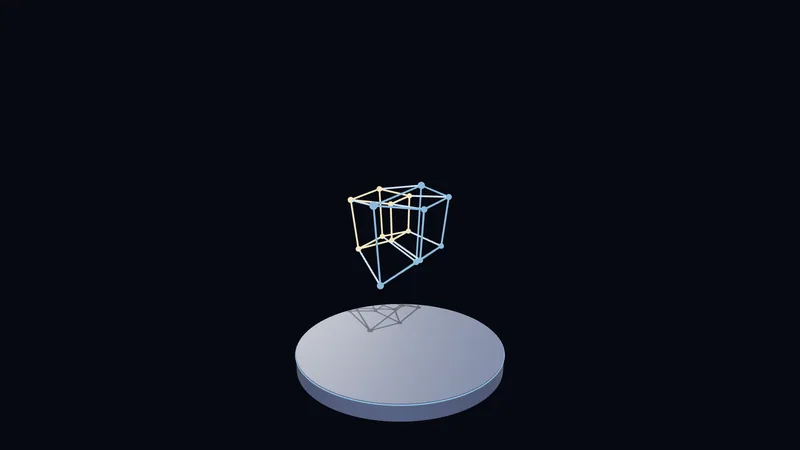
A 4D cube turns in a chosen plane and is projected into space: in an xw, yw or zw rotation the inner cube seems to turn inside out, although all 32 edges stay equally long in 4D. A true slice with the hyperplane w = c shows what a 3D being would see. Exhibit-ready: also stands on a plinth in "Knowledge as space".
Linear algebraTry it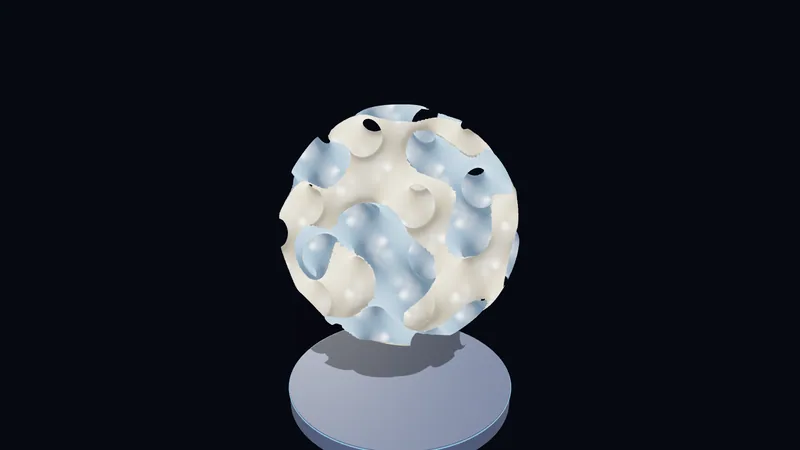
The triply periodic minimal surface sin x cos y + sin y cos z + sin z cos x = t as a surface with two side colours, as a labyrinth or as a shell: it splits space into two equal, intertwined labyrinths. The level t shifts the surface, volume shares and curvature respond live; cutting it open reveals the channels. Exhibit-ready.
Differential geometryTry it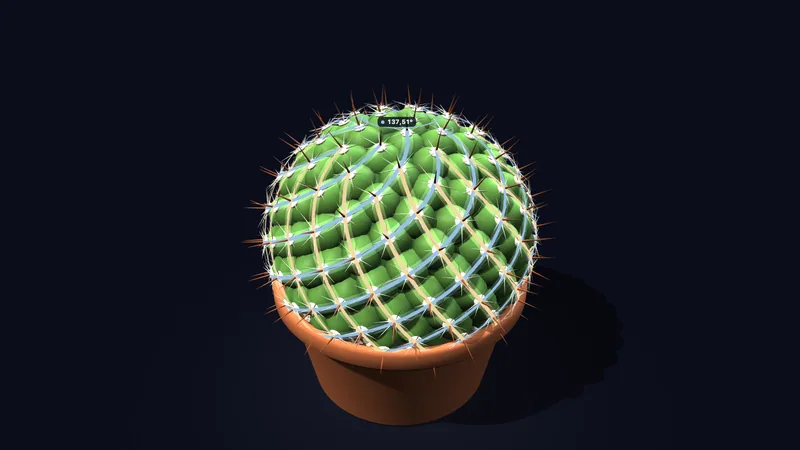
Every new areole forms at the apex, turned by the same angle against the previous one. At the golden angle of 137.5° the cactus shows 8, 13 and 21 spirals; half a degree off, the pattern breaks into arms with gaps, and at 144° into five straight spokes. Change the angle live, watch it grow, colour and count the spirals.
Biology & neuroscienceTry itCollections
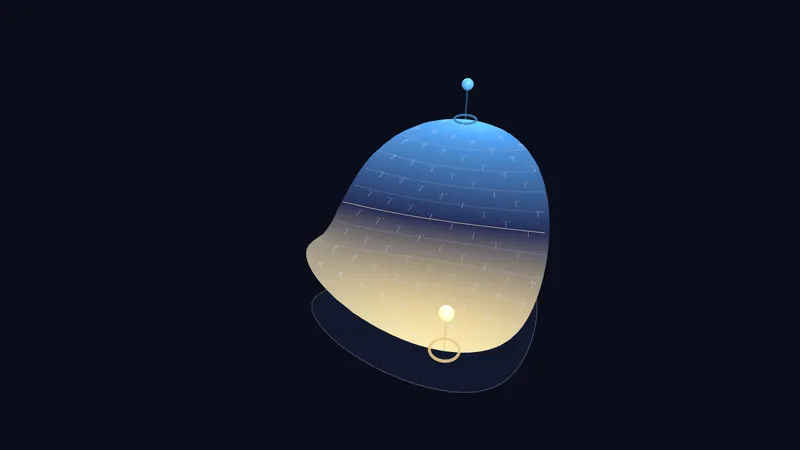
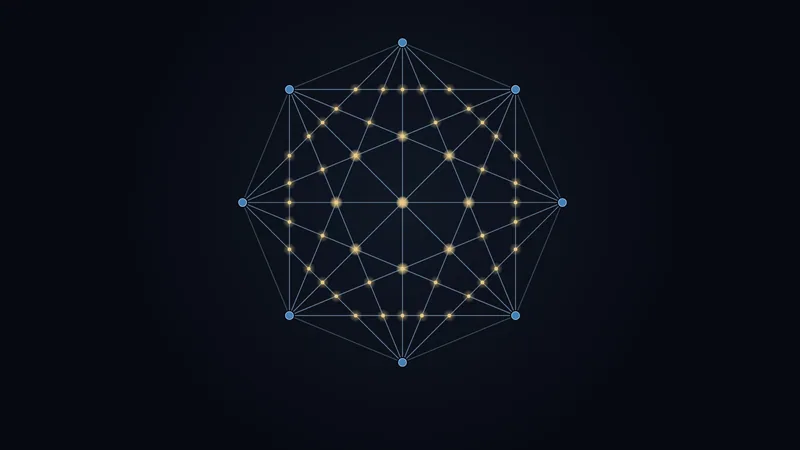
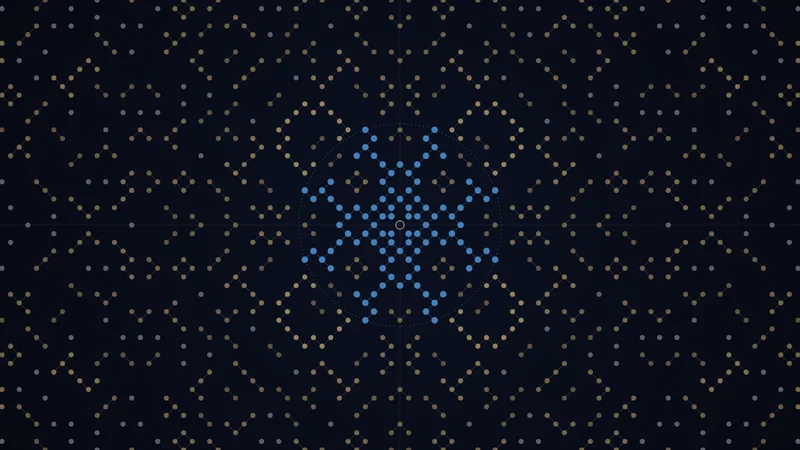
Mathematical questions open for decades, for which an AI model proposed solutions in 2026, as interactive apps: understand the problem, experience the result.
24 appsOpen collection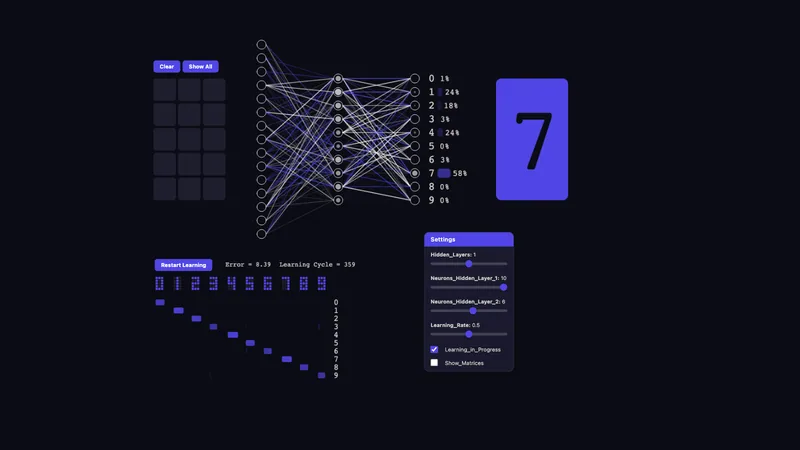

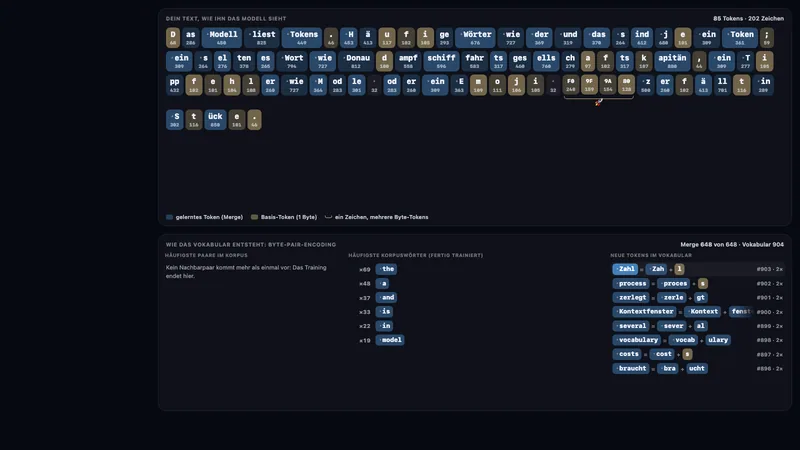

From neurons and gradients to transformers, RLHF and agents: machine learning you can touch.
39 appsOpen collection
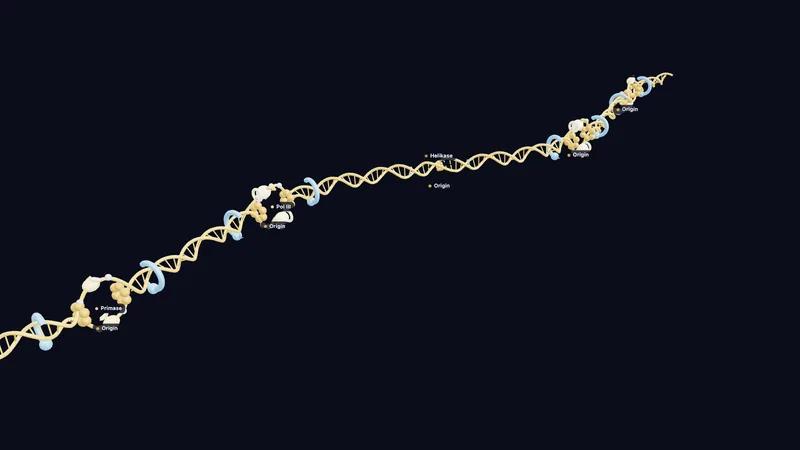
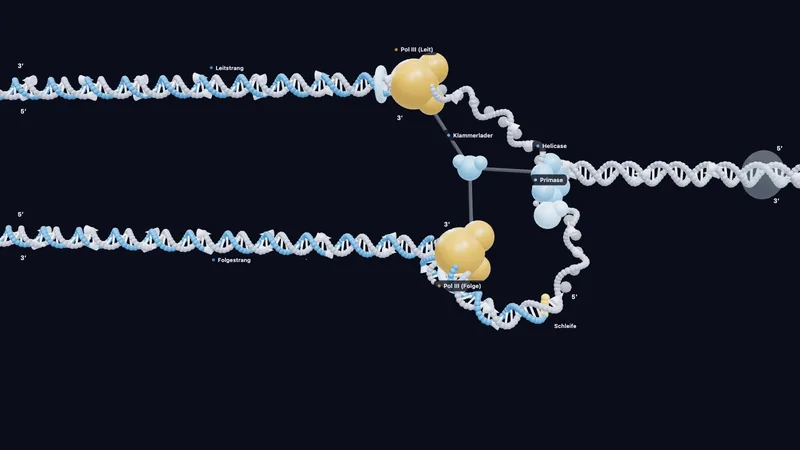
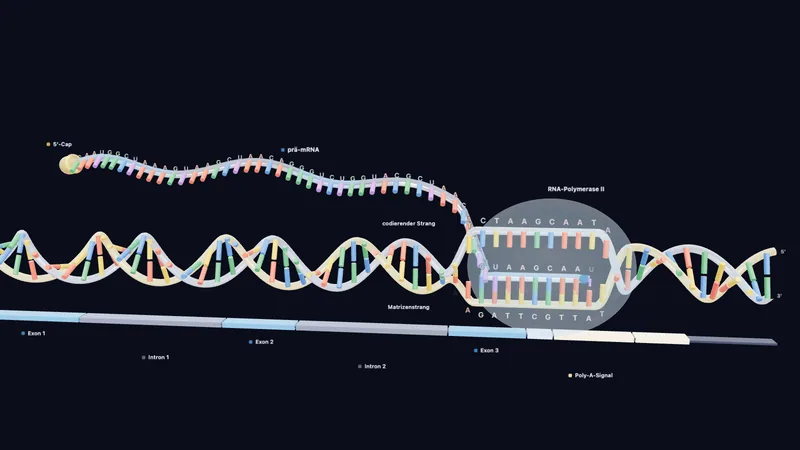
DNA, replication, transcription, translation and cell division as explorable 3D models.
11 appsOpen collection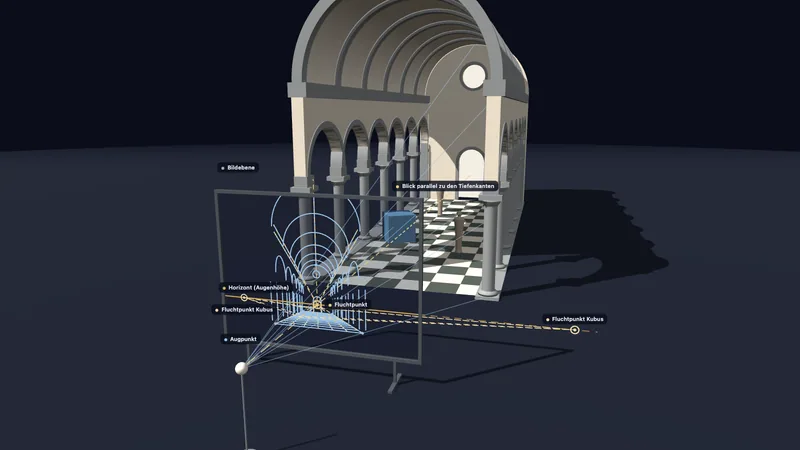
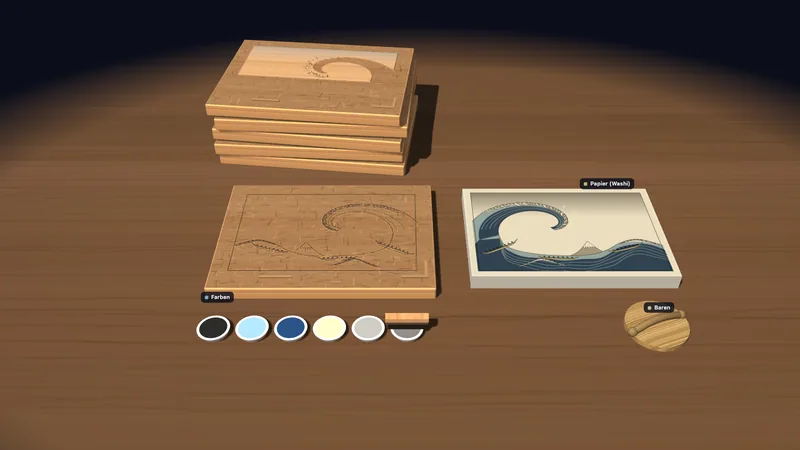
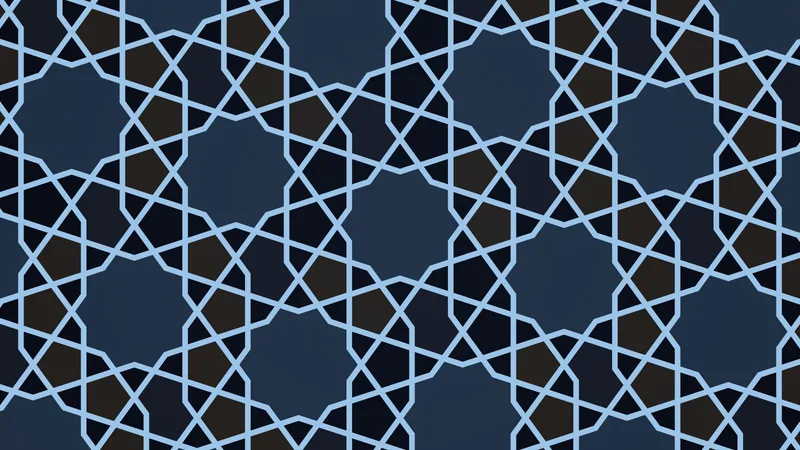
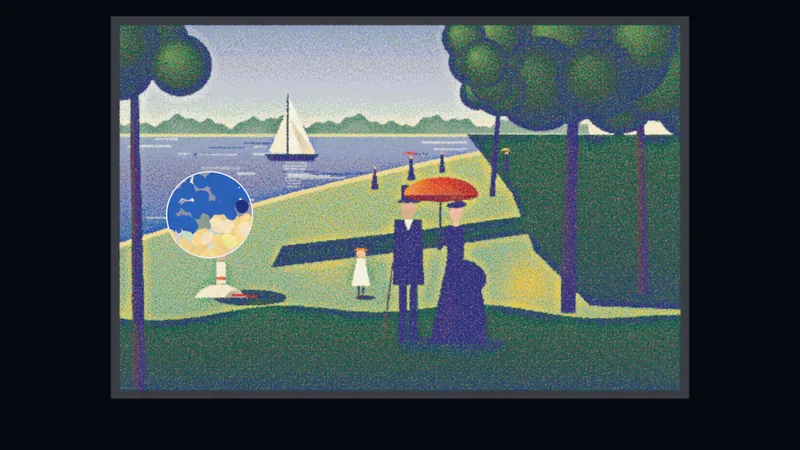
Perspective, ornament, structure and space: how art and architecture work with mathematics.
9 appsOpen collection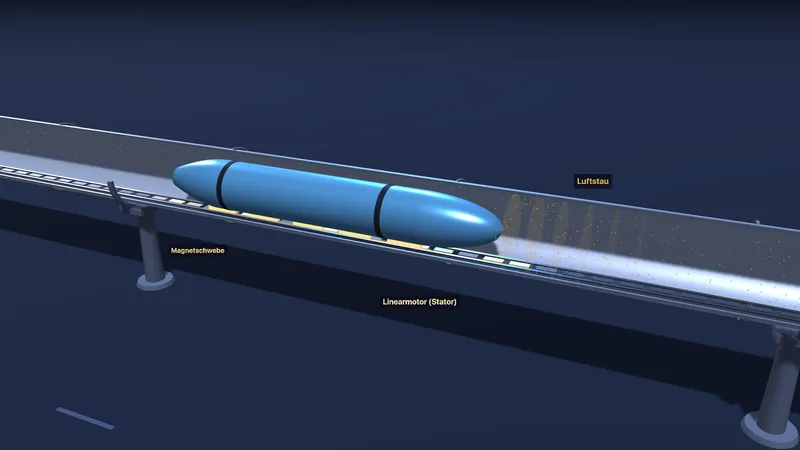
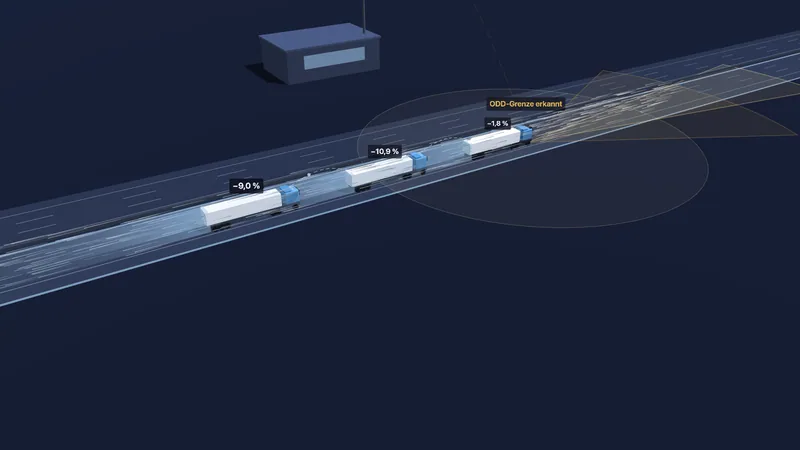


Hyperloop, autonomous vehicles, warehouses and conveyors: logistics as interactive simulation.
17 appsOpen collection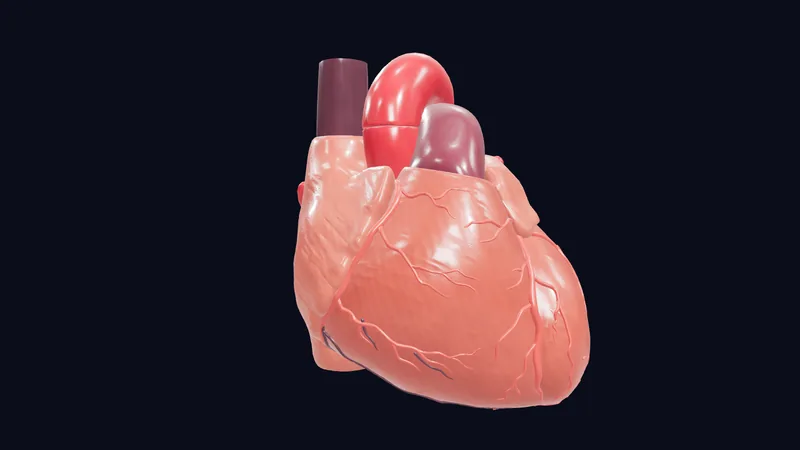
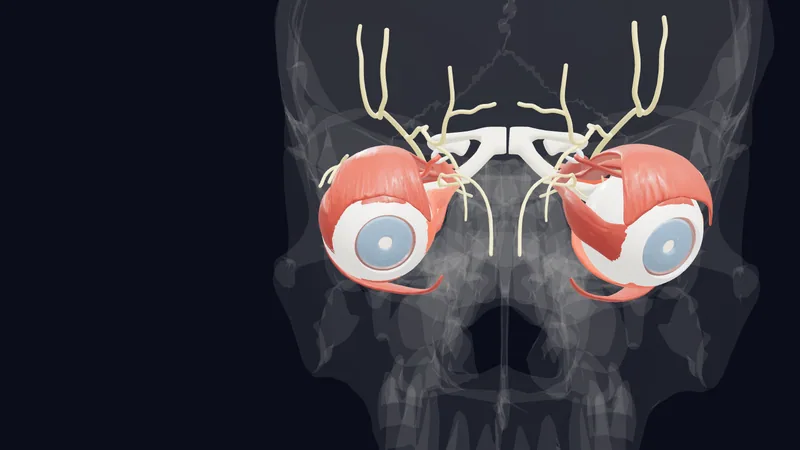
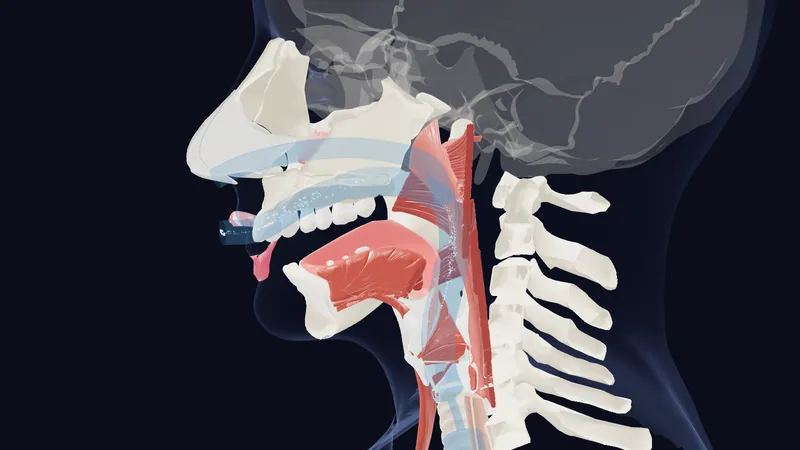
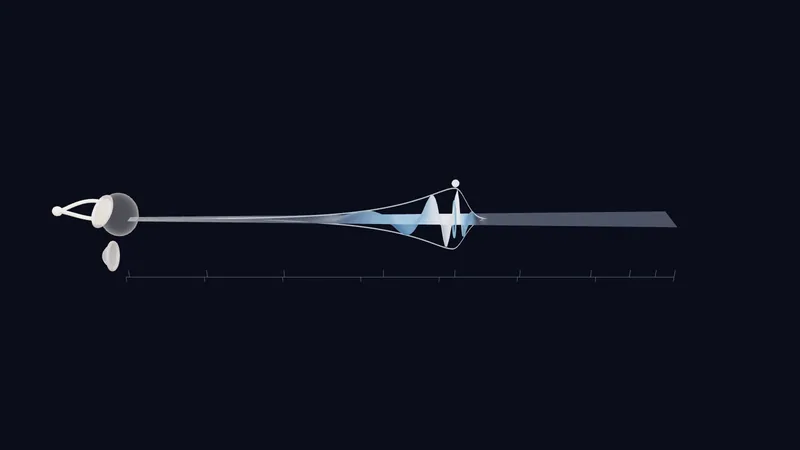
Heart, eye, voice, skeleton and nerves: the human body in 3D, layer by layer.
8 appsOpen collection
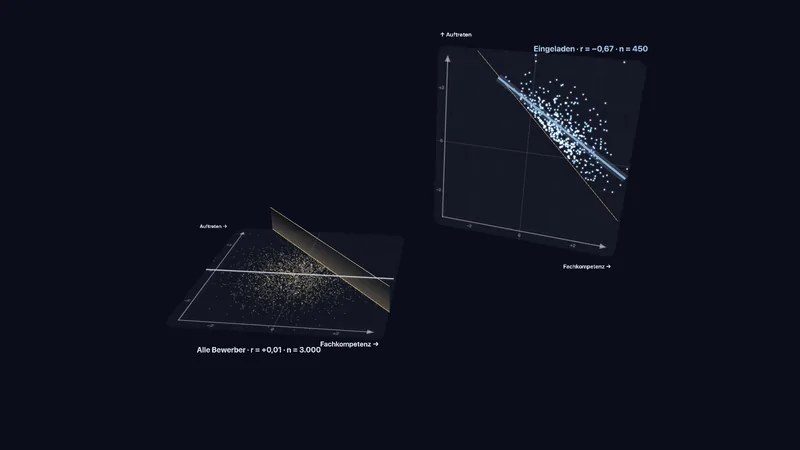
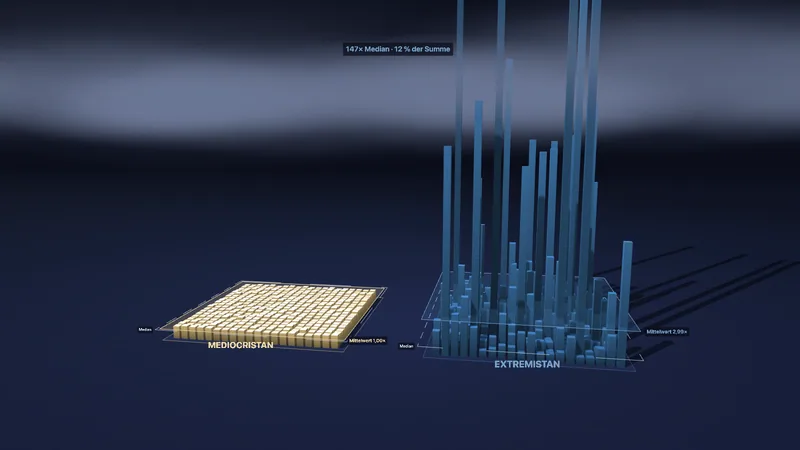
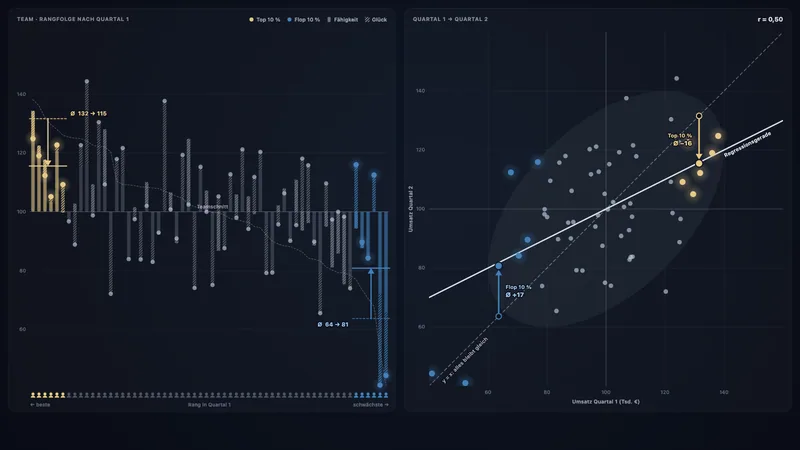
Monty Hall, Simpson, Berkson and base rates: where intuition fails us with numbers.
14 appsOpen collection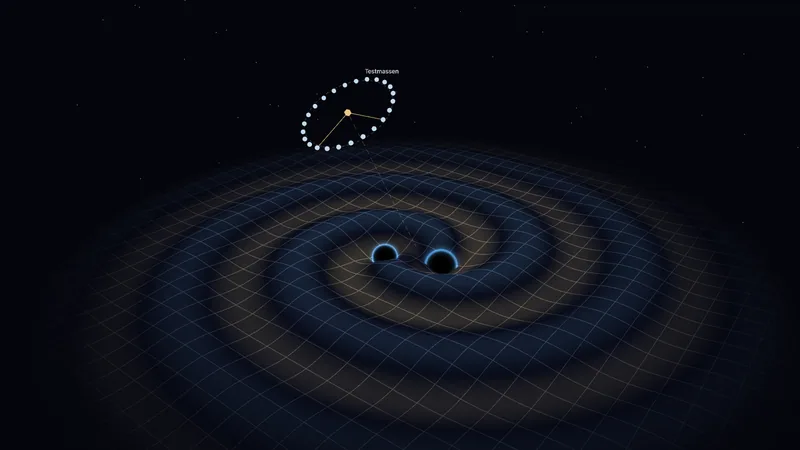
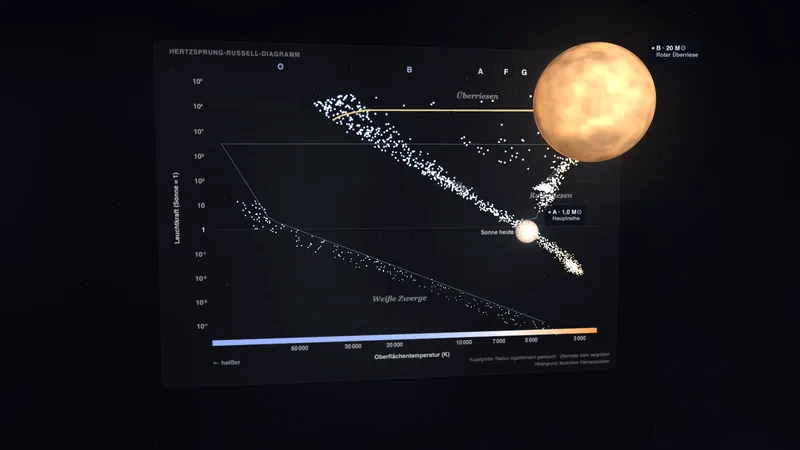
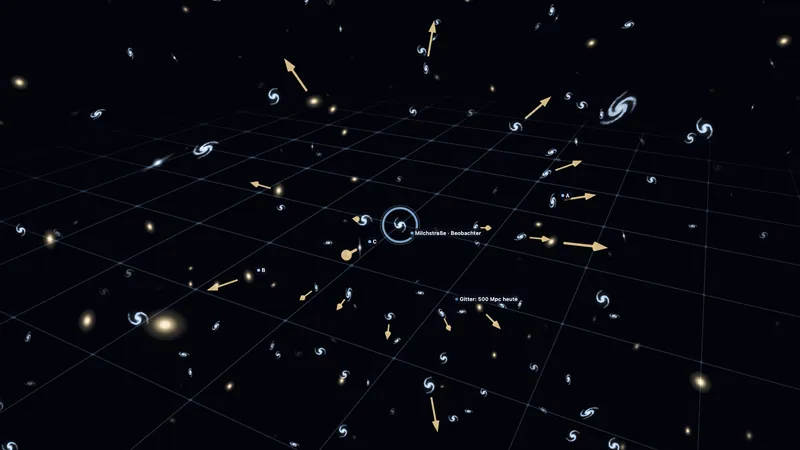
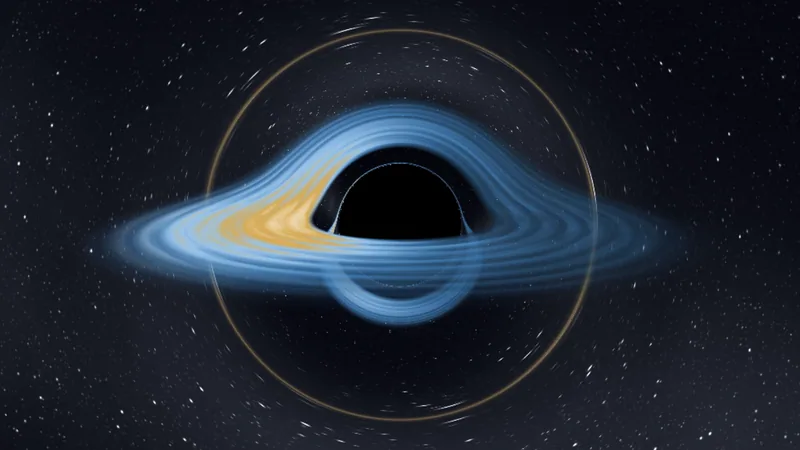
Planets, stars, black holes and space probes: the cosmos to explore.
6 appsOpen collection


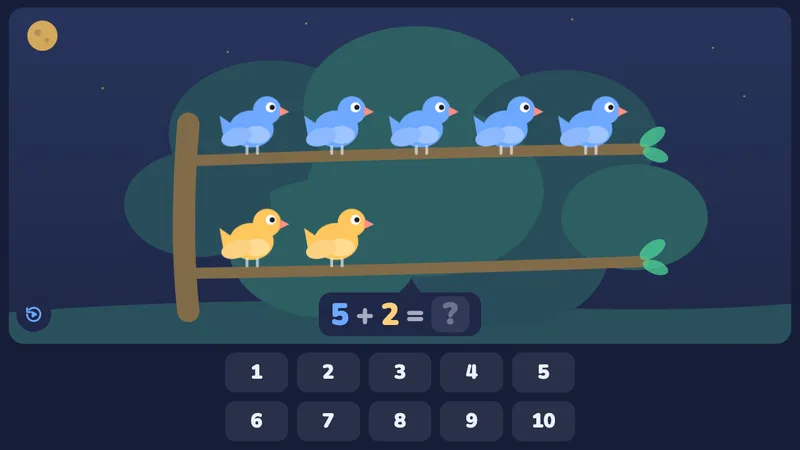
Counting, arithmetic and shapes: maths for beginners, playful and clear.
6 appsOpen collectionWant to use these apps in your courses? Let’s find out what works for you.
One form, three matters. We answer personally.
We show heyprof on your own material. Tell us what you teach and we will prepare the conversation around it.