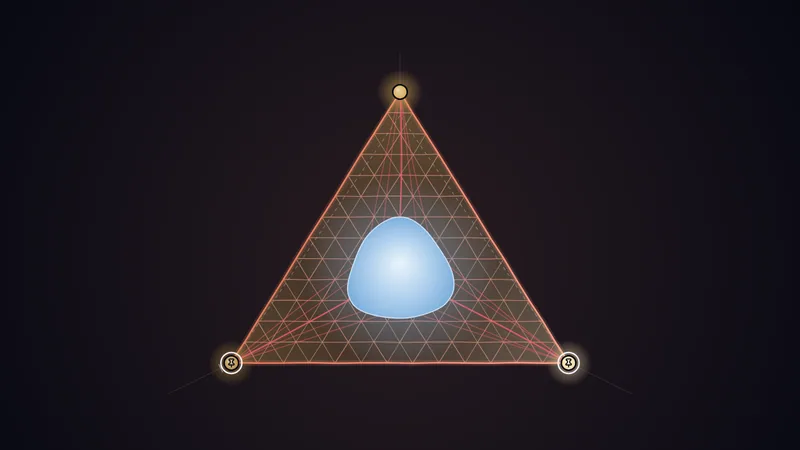
The Iron Triangle
Scope, time and cost as an elastic triangle: pull a corner, set pins and test customer requests as change requests. If nothing gives way, quality shrinks.
ProjektmanagementTry itCollection
Planning and steering projects: the iron triangle, stakeholders, network diagrams, earned value, schedule risk, team size, Kanban and waterfall against Scrum.
Apps
Scope, time and cost as an elastic triangle: pull a corner, set pins and test customer requests as change requests. If nothing gives way, quality shrinks.
ProjektmanagementTry it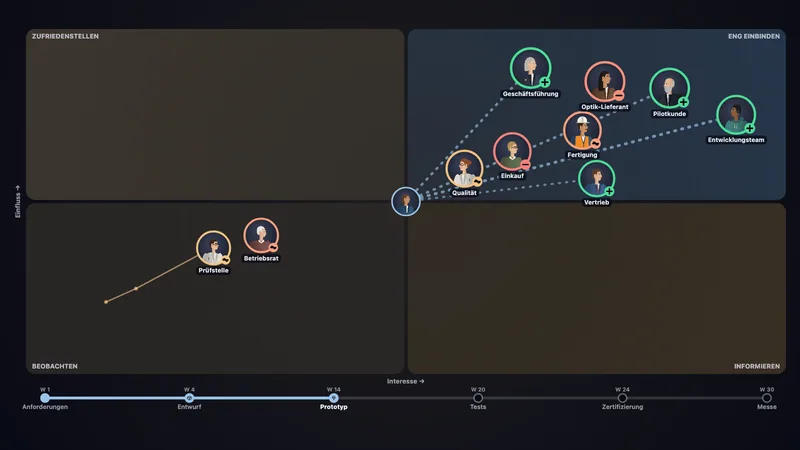
Ten stakeholders of project Lumen on the power-interest map: events shift the picture, a communication plan spreads six hours of attention per week across the project phases.
ProjektmanagementTry it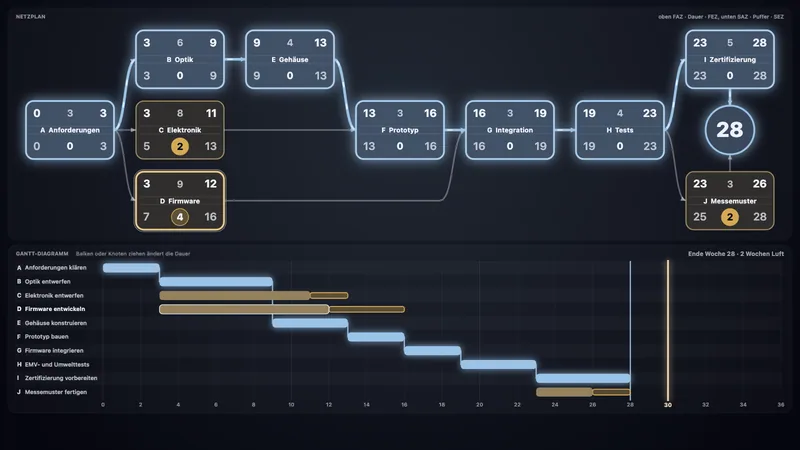
Forward and backward pass run as a wave through the network of project Lumen, in sync with the Gantt chart. Change durations and see when float runs out and the critical path jumps.
ProjektmanagementTry it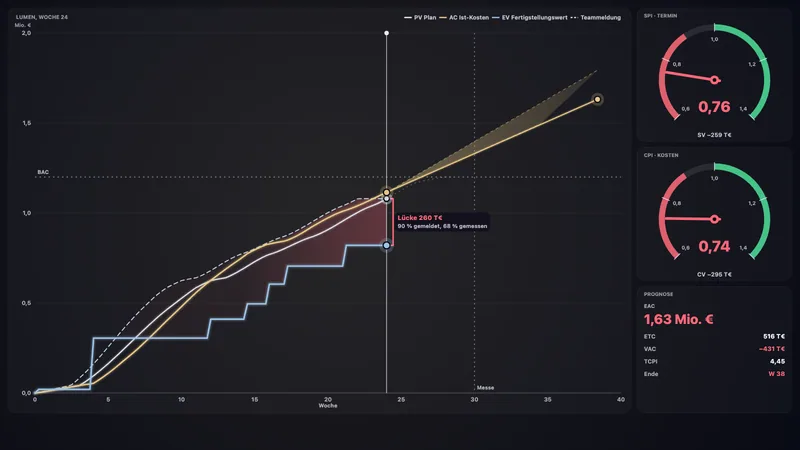
The Lumen project runs week by week: plan, actual cost and earned value grow as curves, SPI, CPI and the forecast respond at once. Progress rules reveal the gap behind "90 percent done".
ProjektmanagementTry it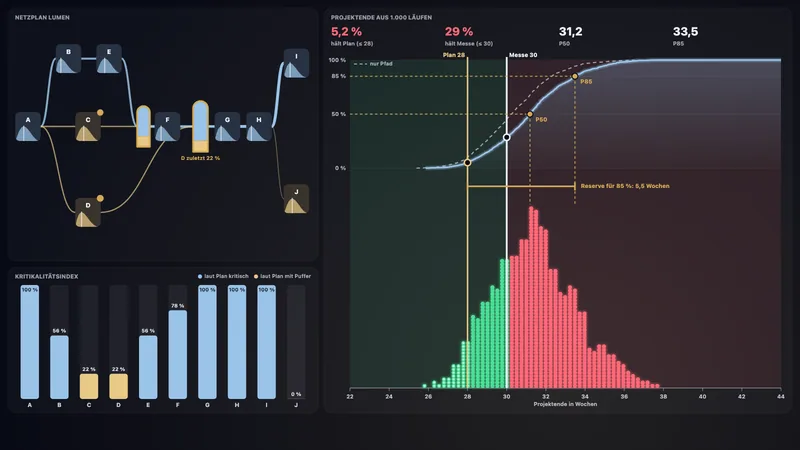
Monte Carlo simulation of a network diagram: each run lands as a particle on its end date. Histogram, S-curve, P50/P85, merge gate and criticality index show how safe the trade-fair date is.
ProjektmanagementTry it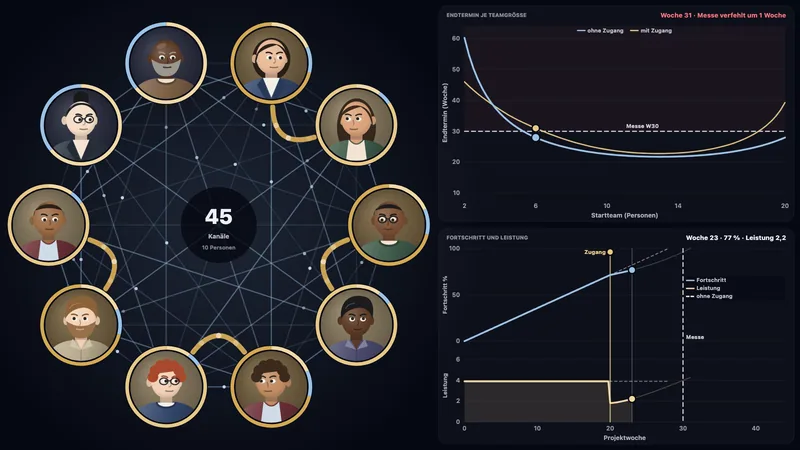
The team as a living network of portraits: channels grow with n(n−1)/2 and new people tie up experienced colleagues as mentors. The app shows the U shape of the end date and the dip in output after a late addition (Brooks's law).
ProjektmanagementTry it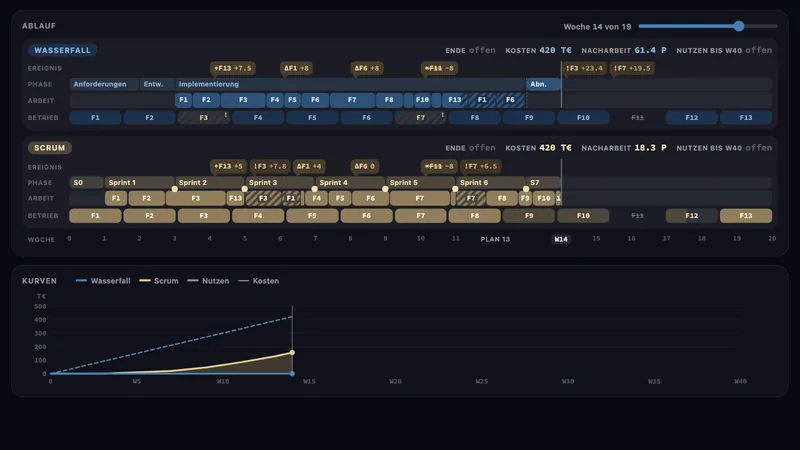
The same customer portal runs twice: as a waterfall in phases and as Scrum in sprints, week by week. Event cards (new feature, change, cancellation) drop into both lanes in the same week; misunderstandings stay face down until a review or the acceptance test reveals them. Rework appears hatched, and the curves show cumulative benefit and cost up to week 40. Switches for uncertainty, sprint length, feedback and partial deliveries separate the two effects: less rework and earlier benefit.
Software engineeringTry it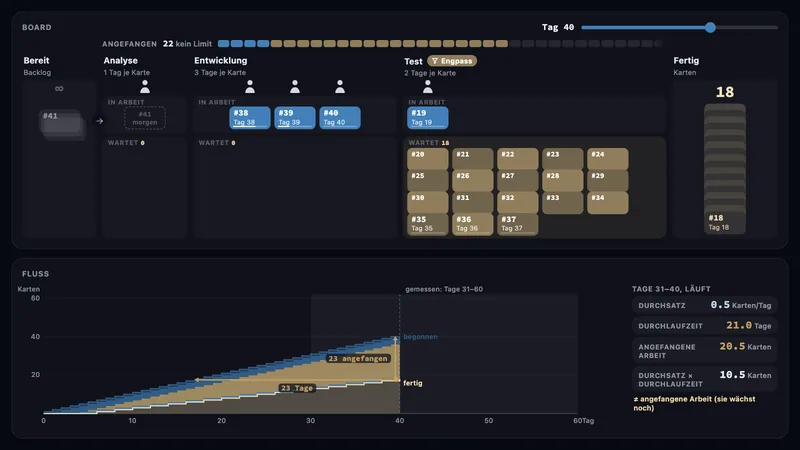
A Kanban board with analysis, development and testing, day by day: cards with number and start day move across the board, people (1/3/1) work on the oldest cards, and a queue forms in front of the testing bottleneck. The WIP limit (none down to 2) is a pull rule with a gauge, next to a cumulative flow diagram with measuring lines. Without a limit throughput 0.5 and a lead time of 26 days; with limit 5 still 0.5, but 10 days. Little's Law, plus a switch to let developers help with testing.
Software engineeringTry itCollections
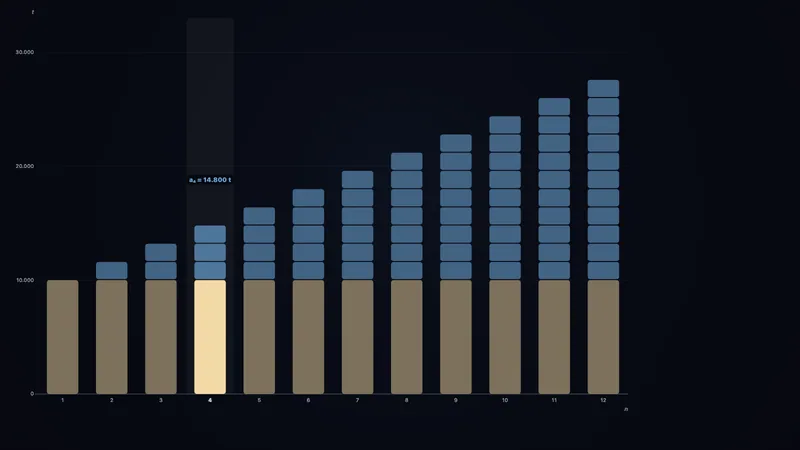

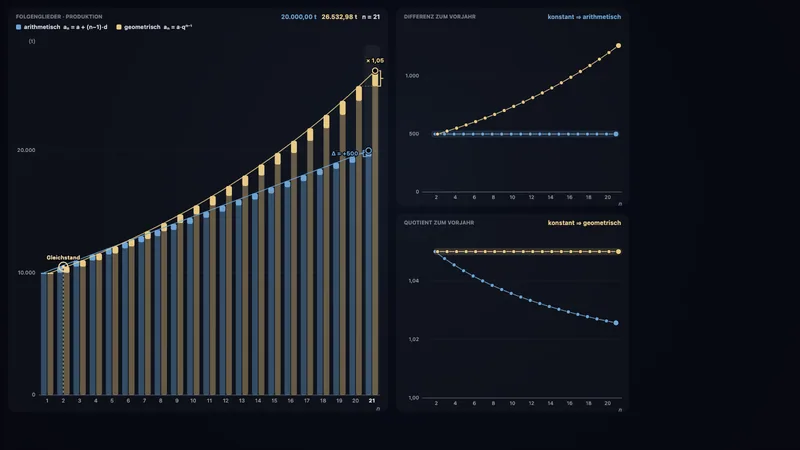
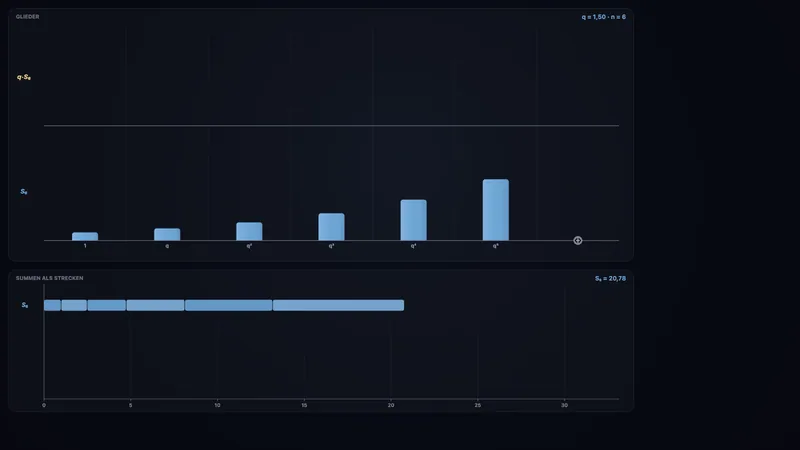
From sequences to loans: arithmetic and geometric growth, savings plans, annuities, compounding within the year and perpetuities.
11 appsOpen collection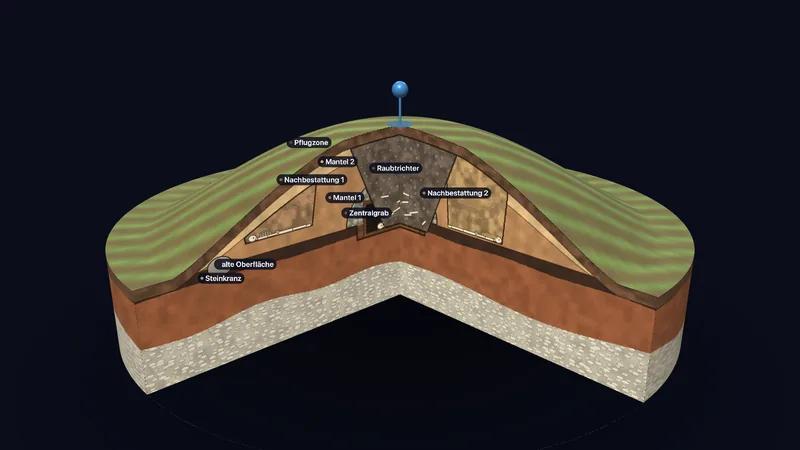
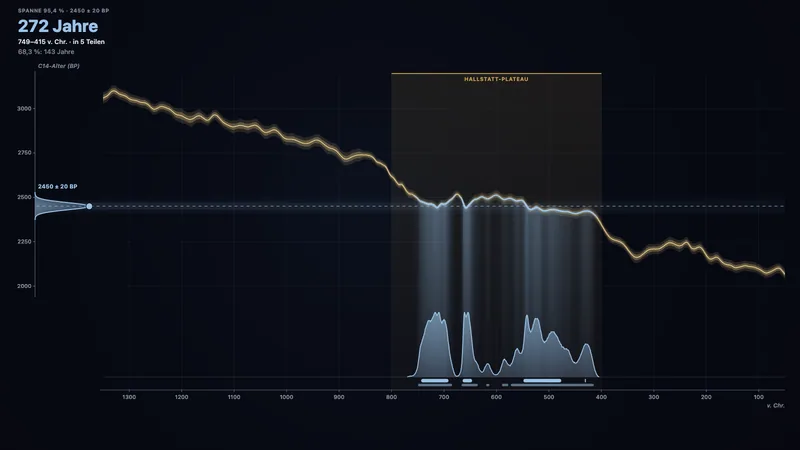
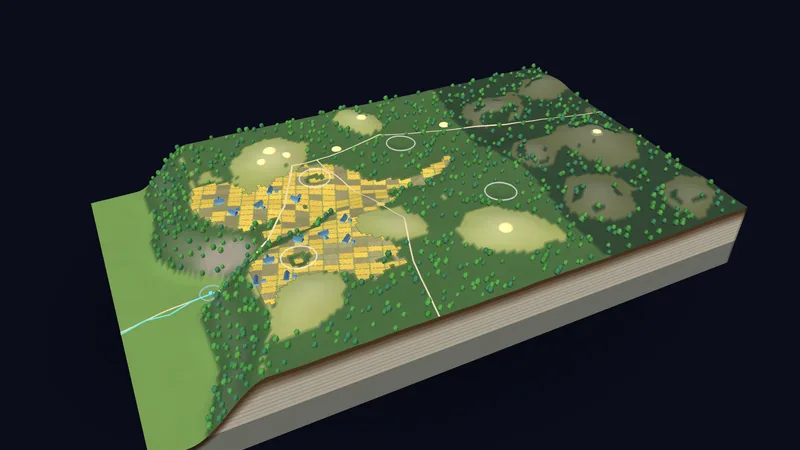
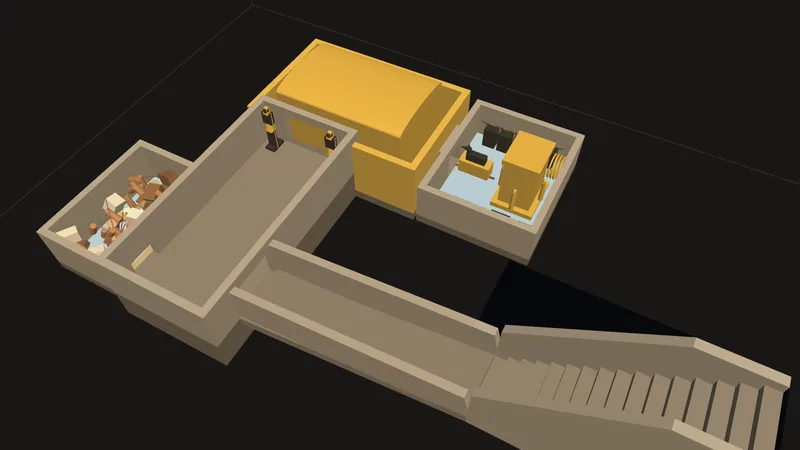
Reading the traces: burial mounds in section, radiocarbon dating, settlements in the landscape and the tomb of Tutankhamun.
5 appsOpen collection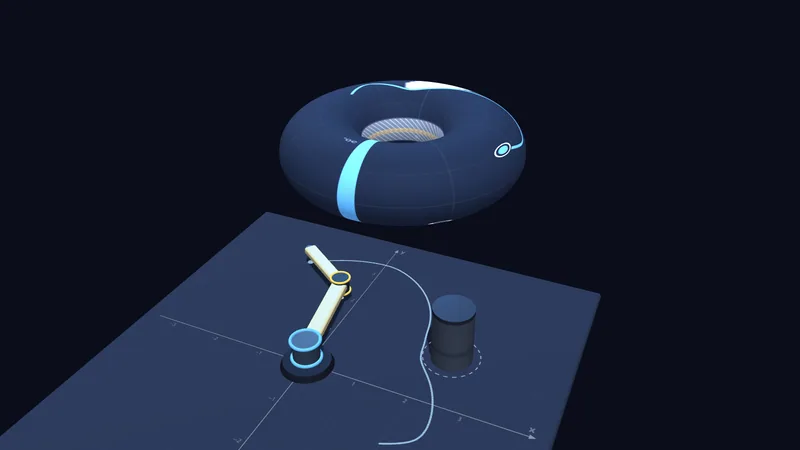
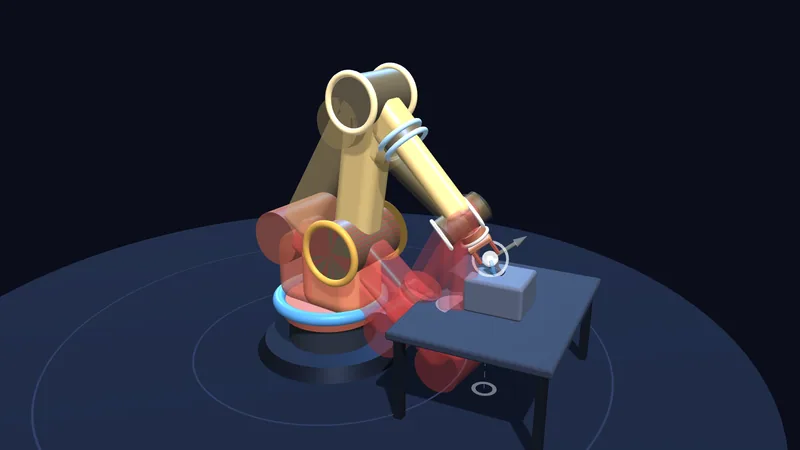
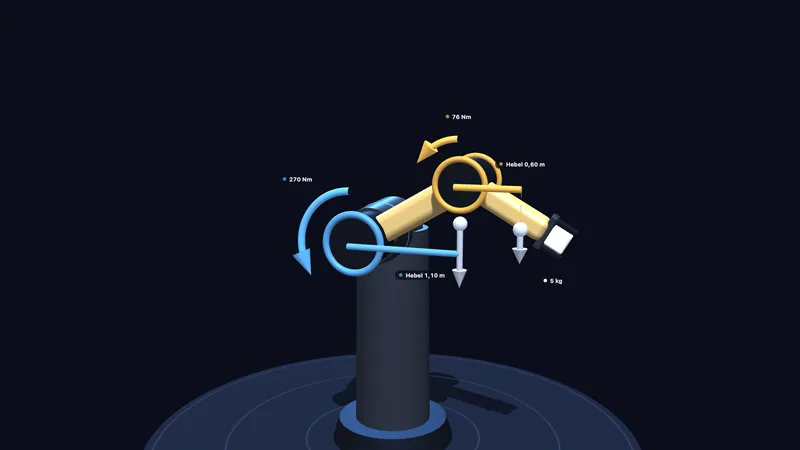
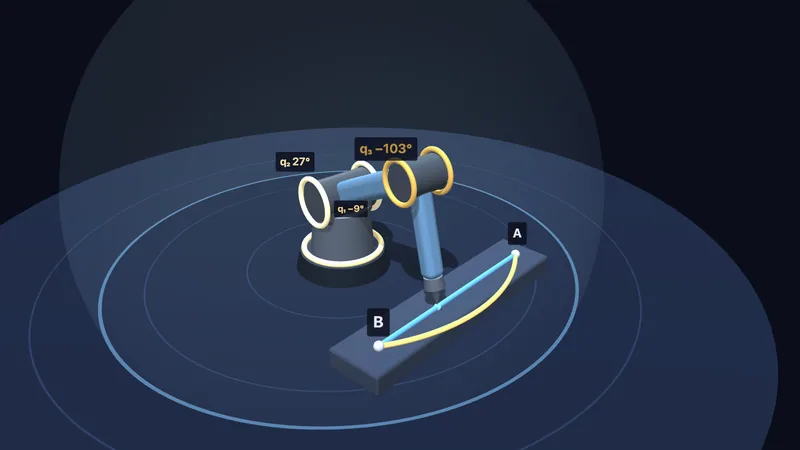
Why robot arms are heavy, how six axes guide a hand and how control holds the load.
4 appsOpen collection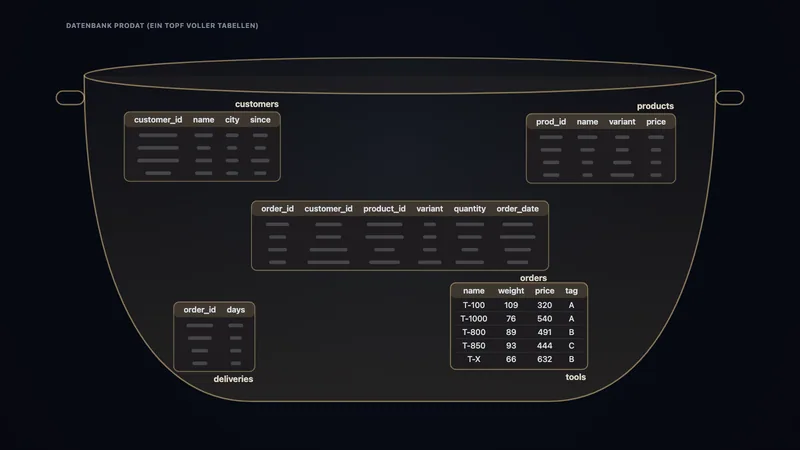
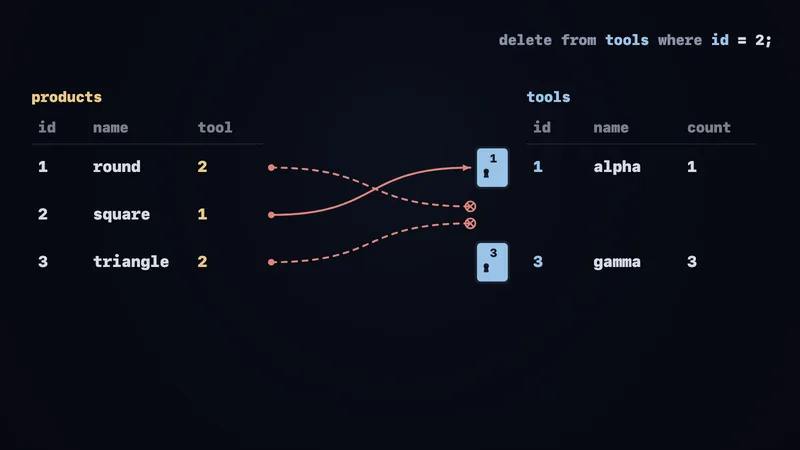
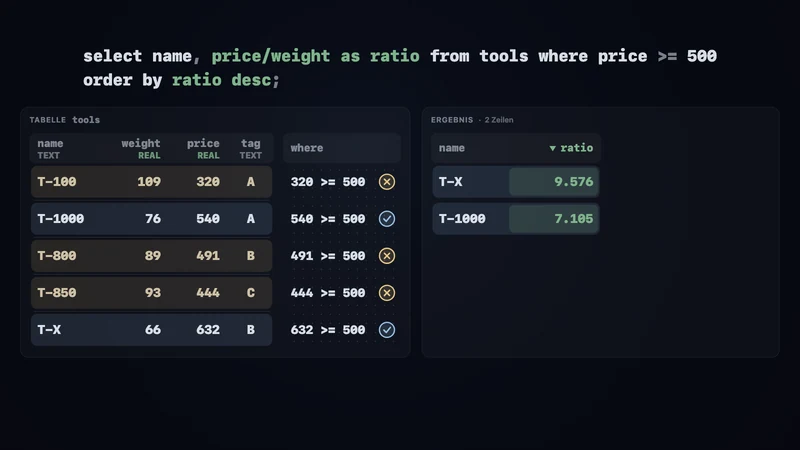
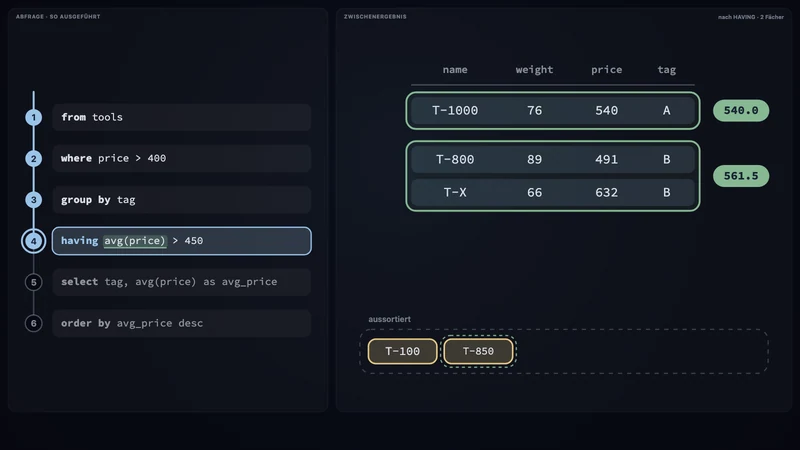
Tables, keys, joins, groups and subqueries you can touch: how a database really reads.
7 appsOpen collection
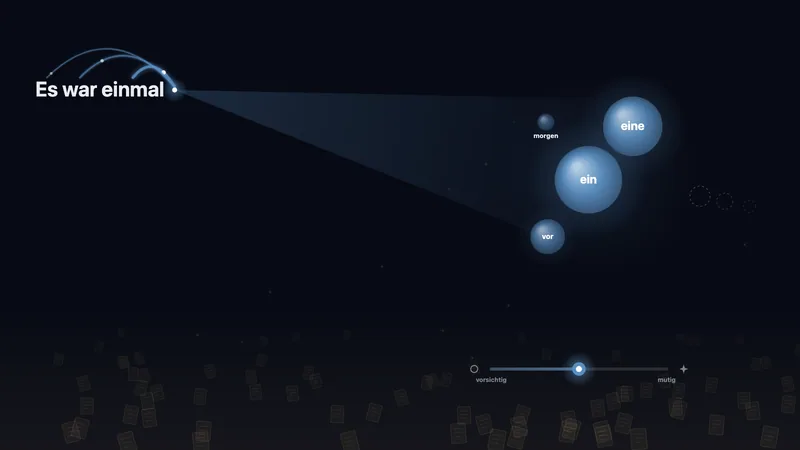
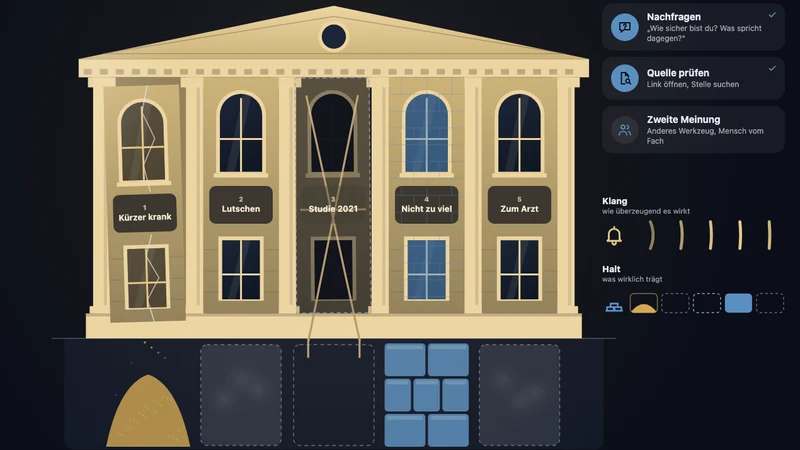
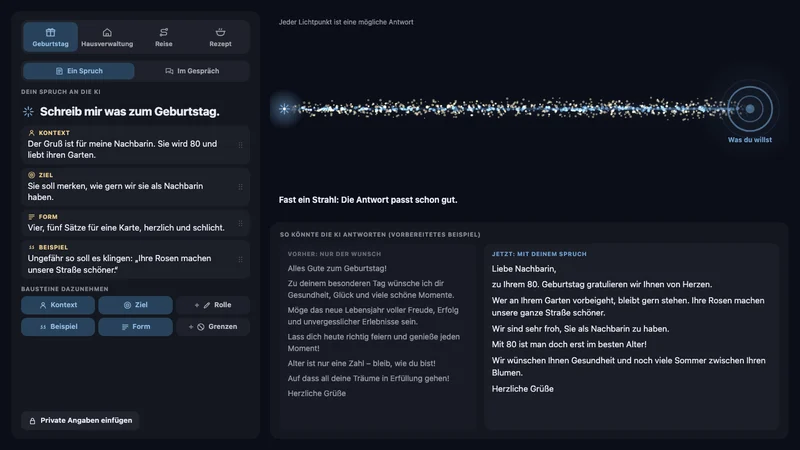
Generative AI in strong images: what it can do, how it writes, why it convinces, how to use it well and where to take care.
7 appsOpen collection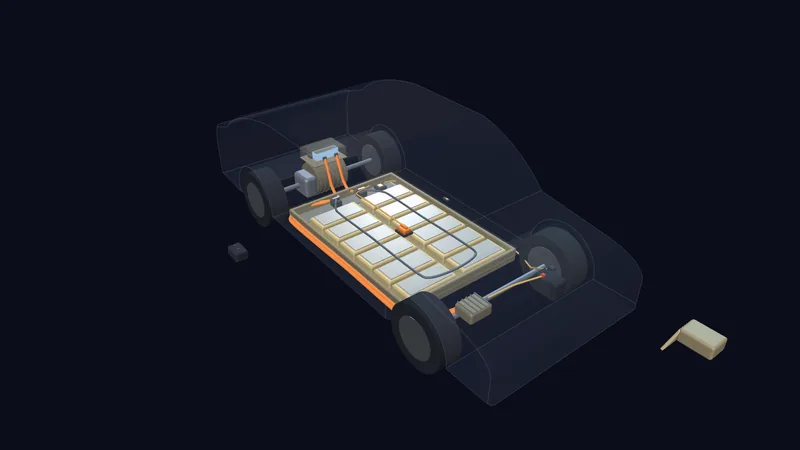
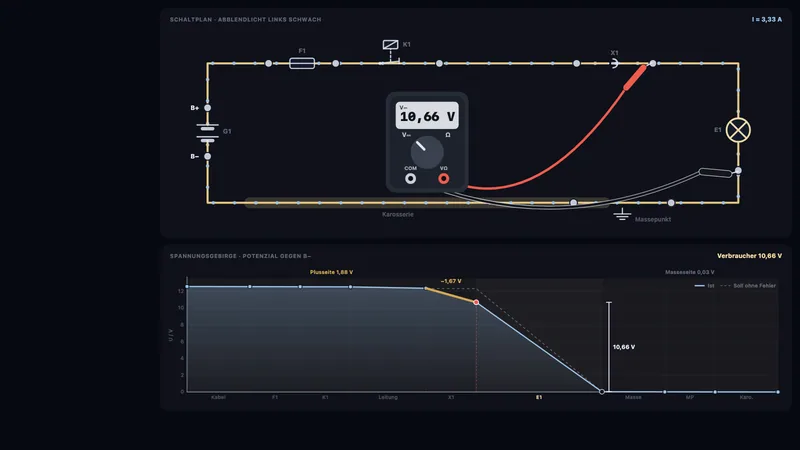
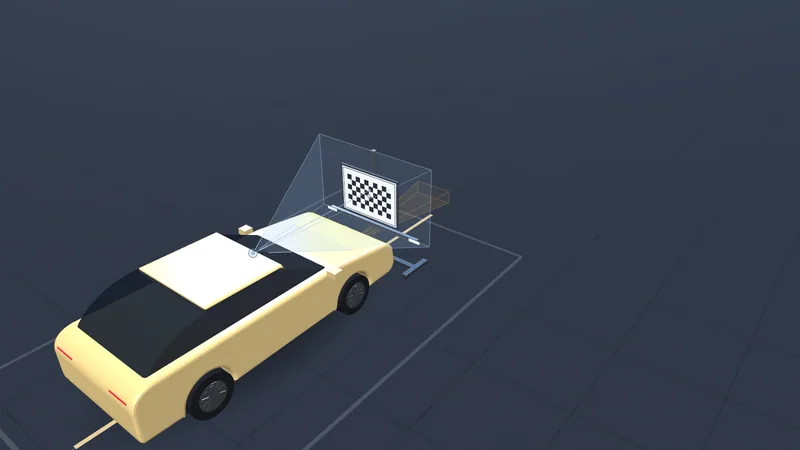
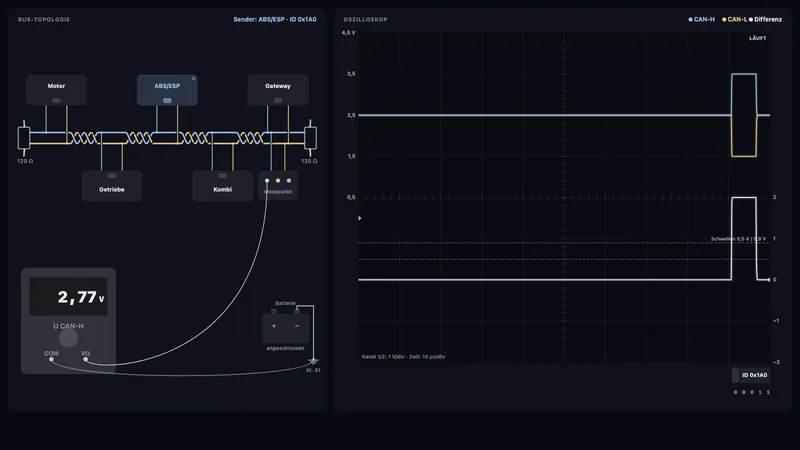
Engine, brakes, high voltage, CAN bus and chassis: technology and diagnostics of the modern vehicle.
9 appsOpen collection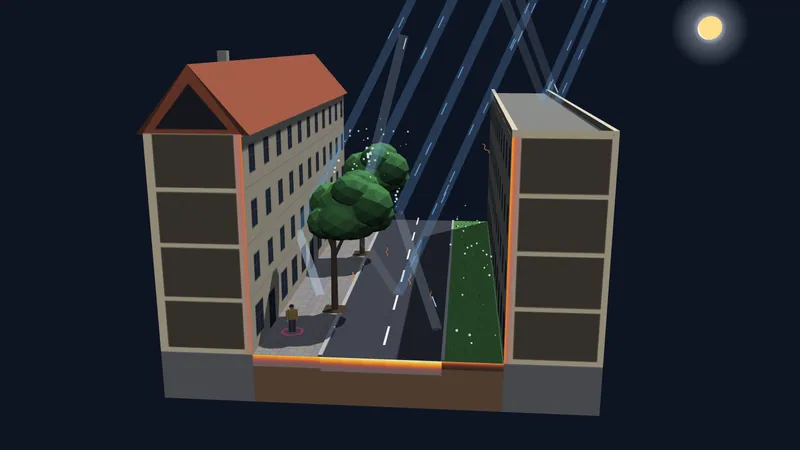
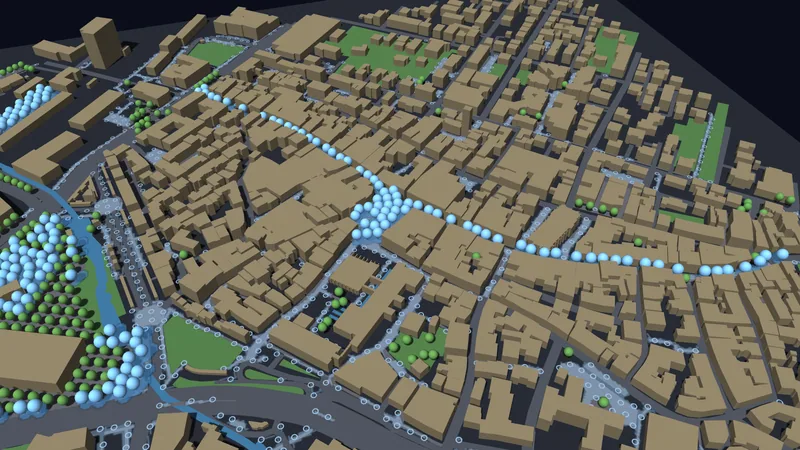
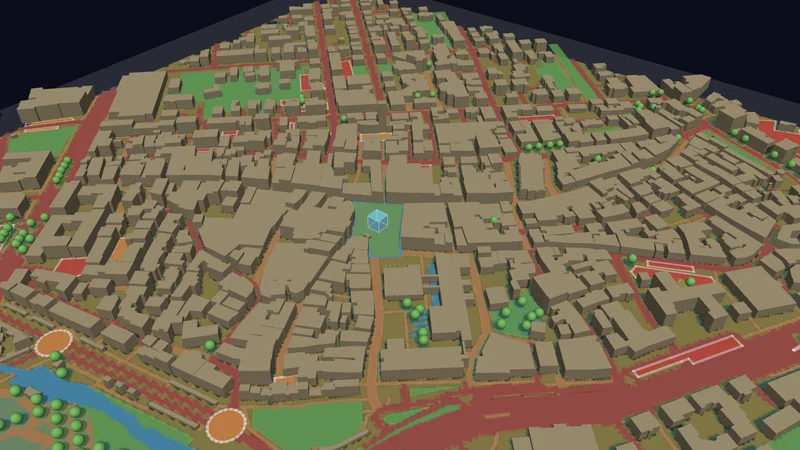
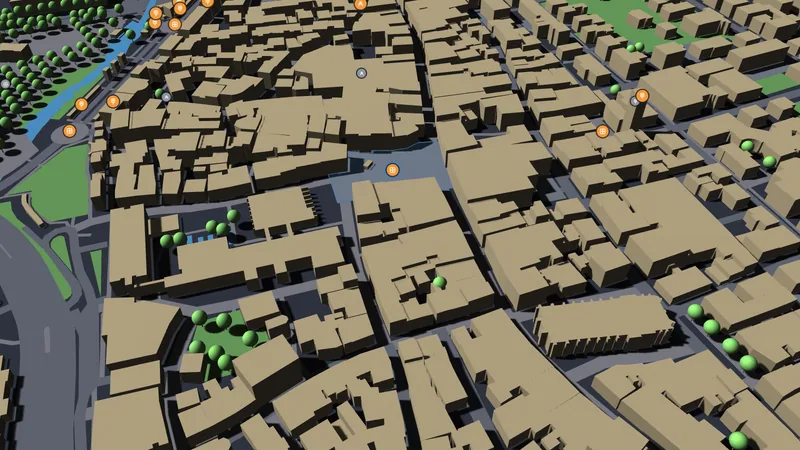
Heat in the city centre: heat islands, shade, trees and unsealing, using the old town of Reutlingen as an example.
5 appsOpen collection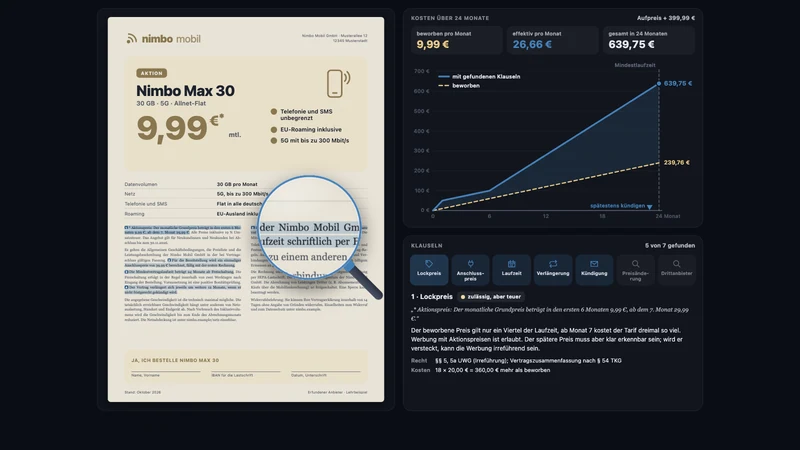
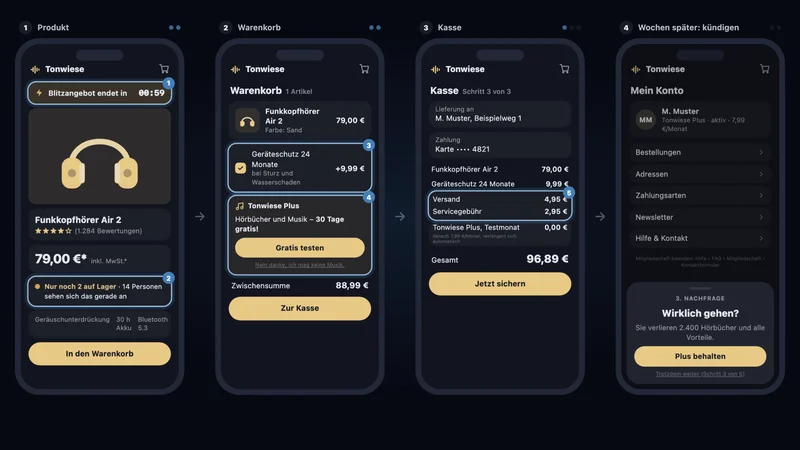
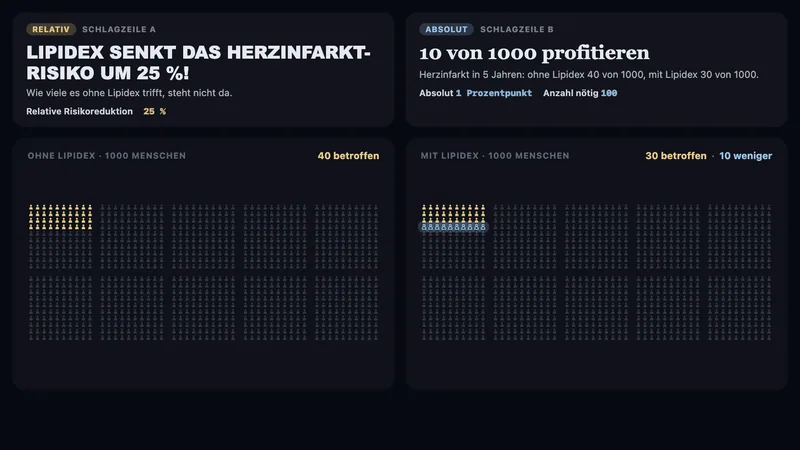
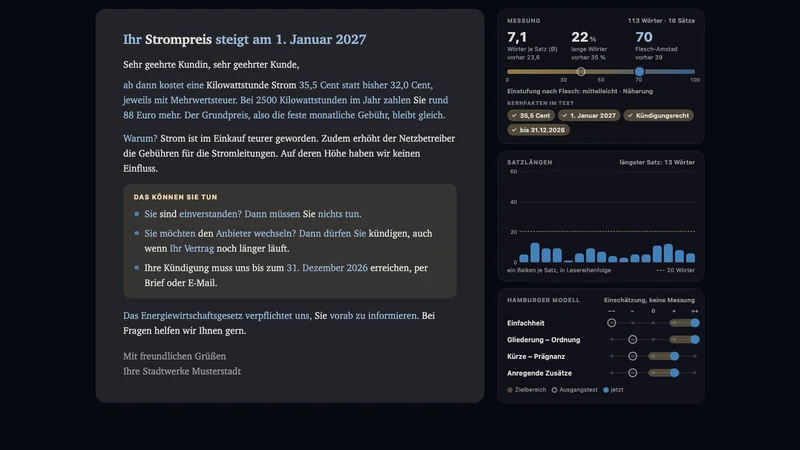
Reading the small print, spotting subscription traps, placing risk figures and making texts understandable.
4 appsOpen collection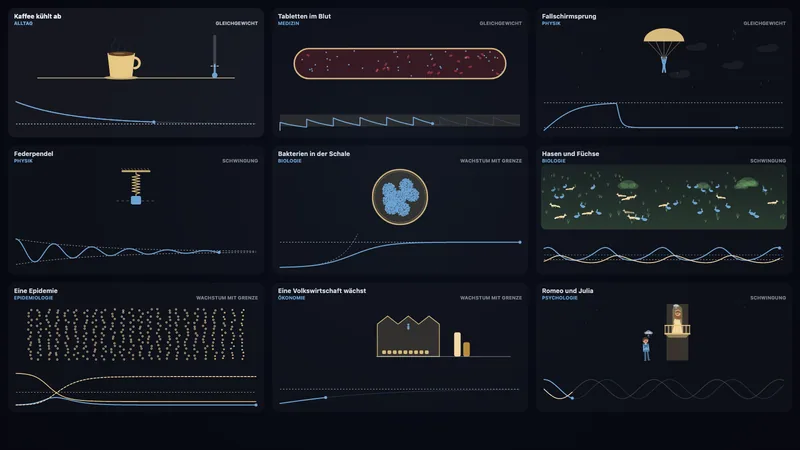
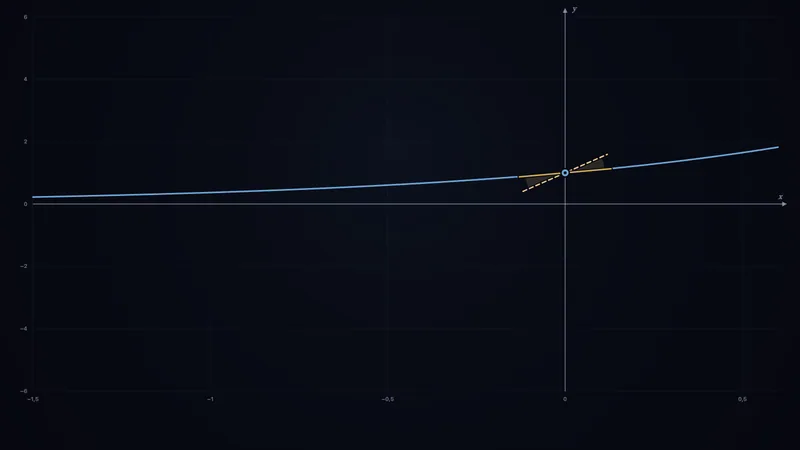
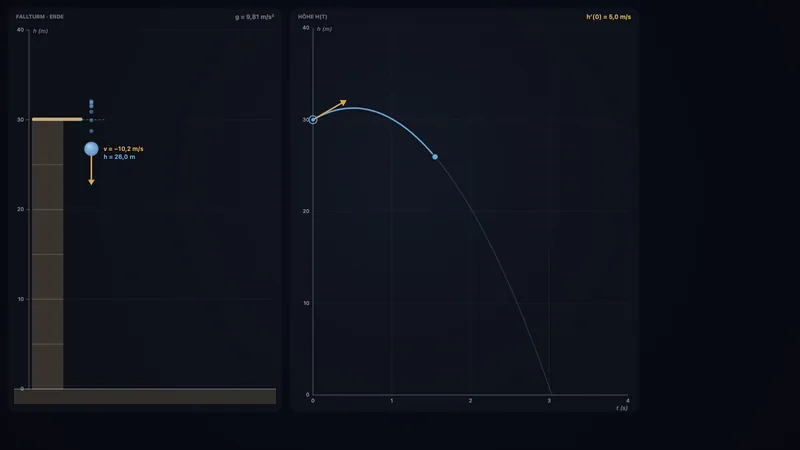
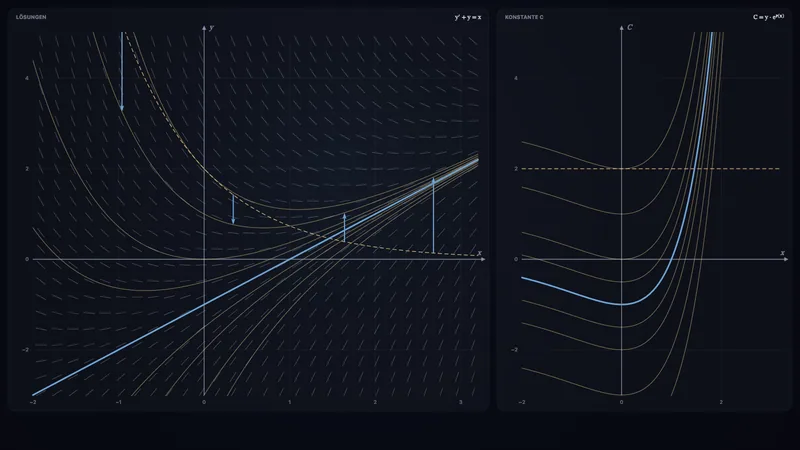
From equation to curve: initial values, linear equations, substitution and the worlds in which they apply.
7 appsOpen collection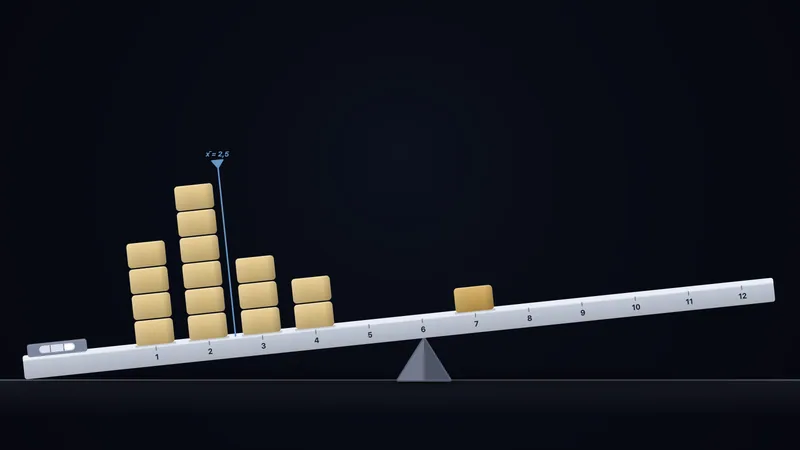
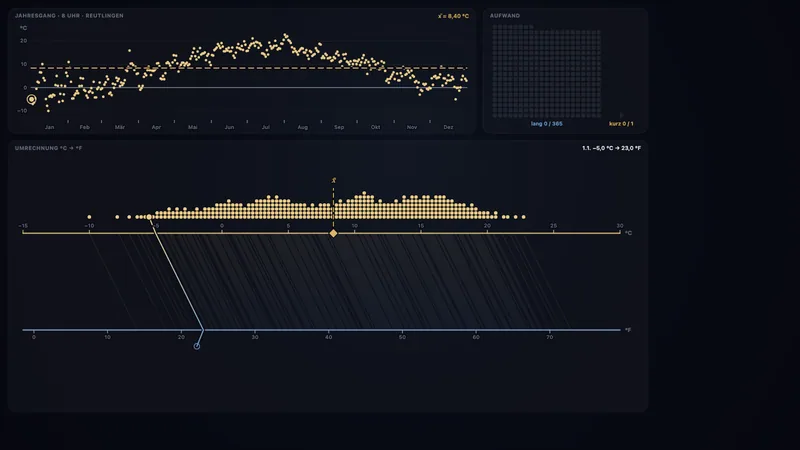
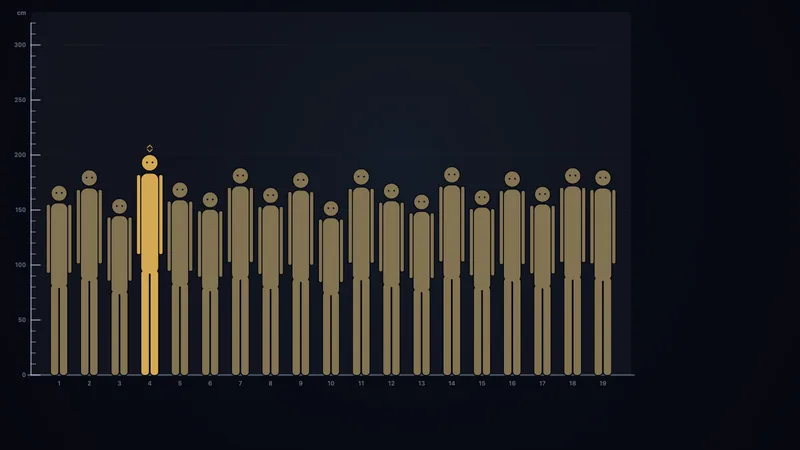
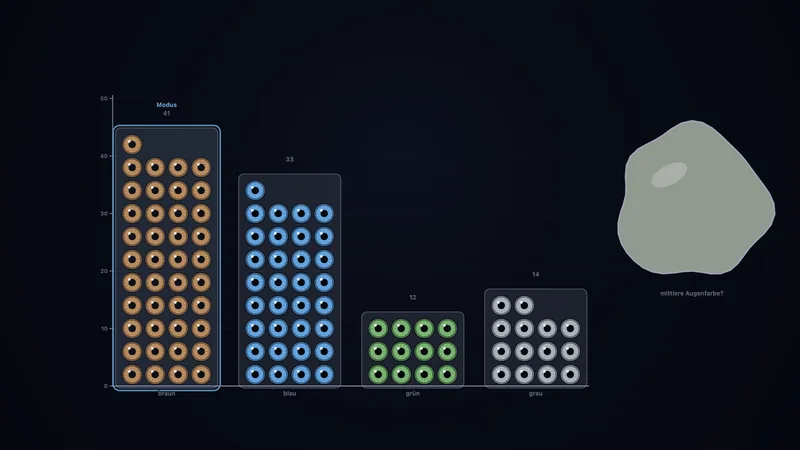
Mean, median, mode, box plot and levels of measurement: descriptive statistics to try out.
9 appsOpen collection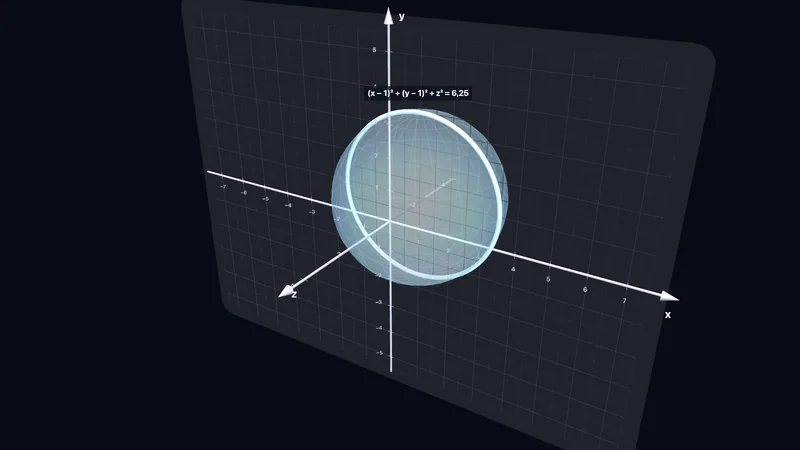
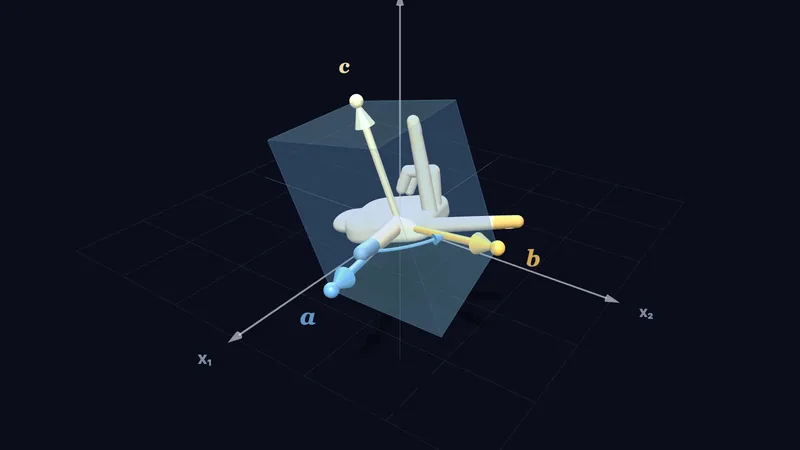
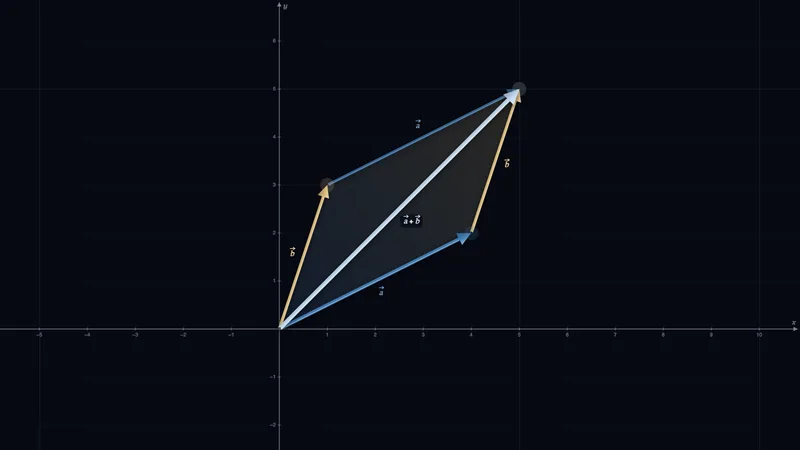
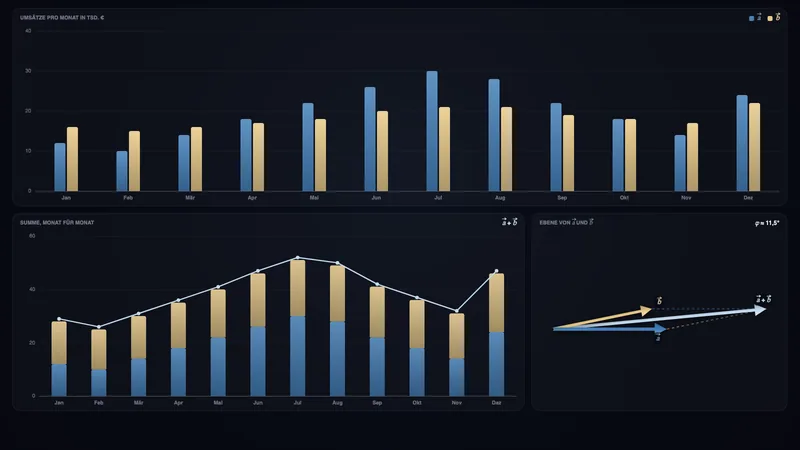
From coordinates to the inverse: vectors, dot and cross products, linear equations and matrices in pictures.
12 appsOpen collection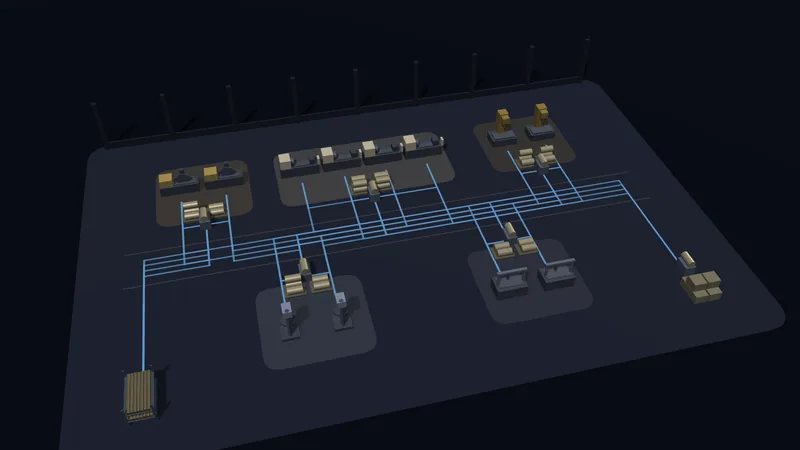
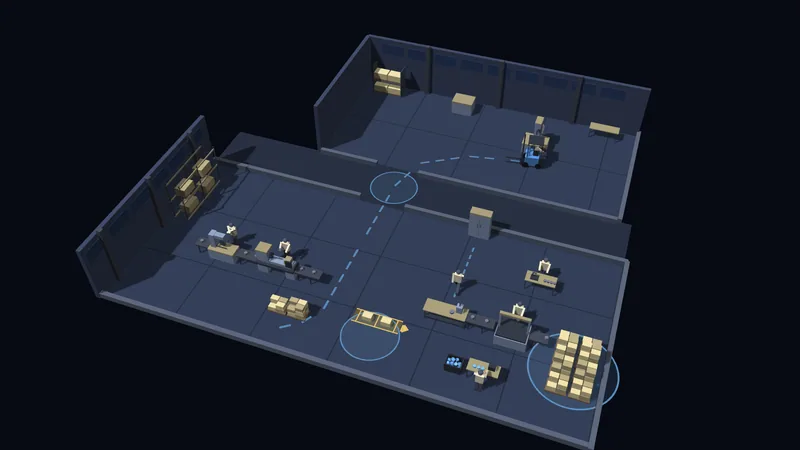
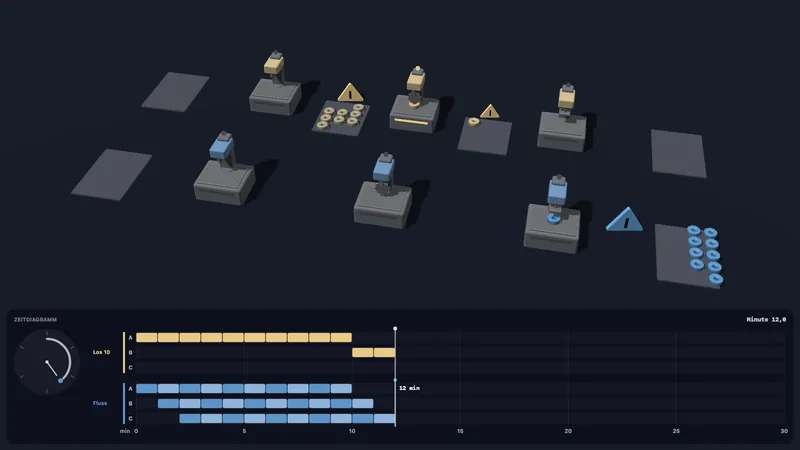
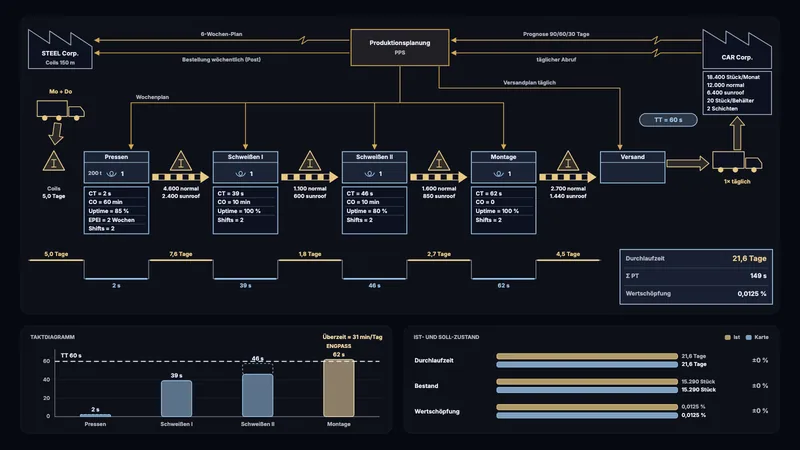
Production principles, waste, one-piece flow, value streams, bills of materials and routing: how a factory is organised.
6 appsOpen collection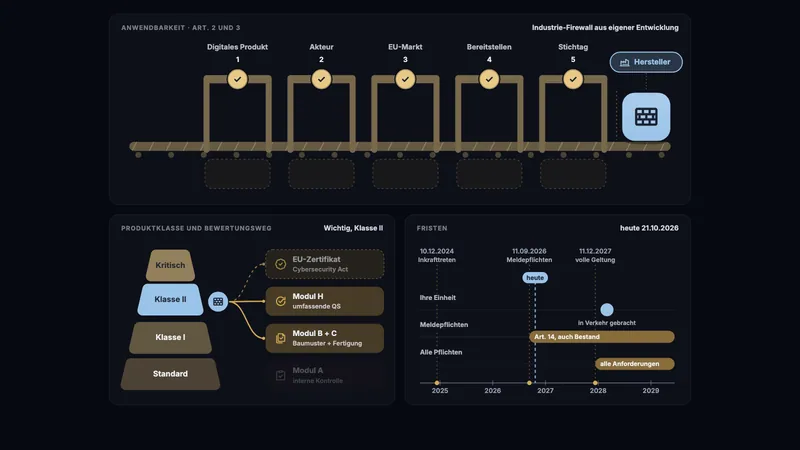
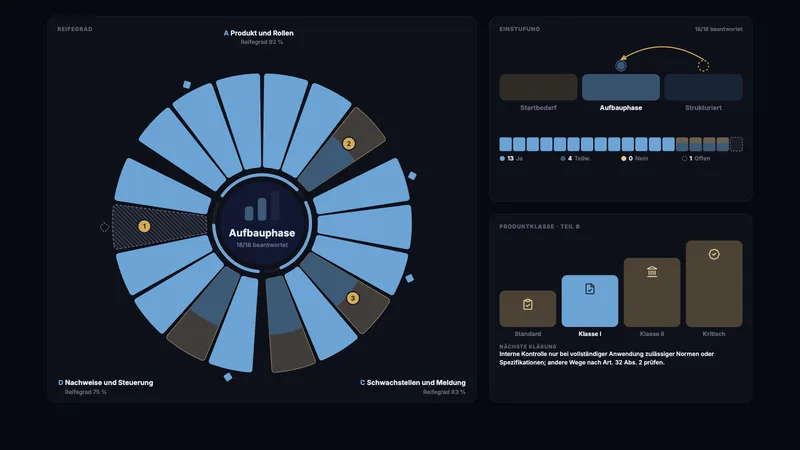
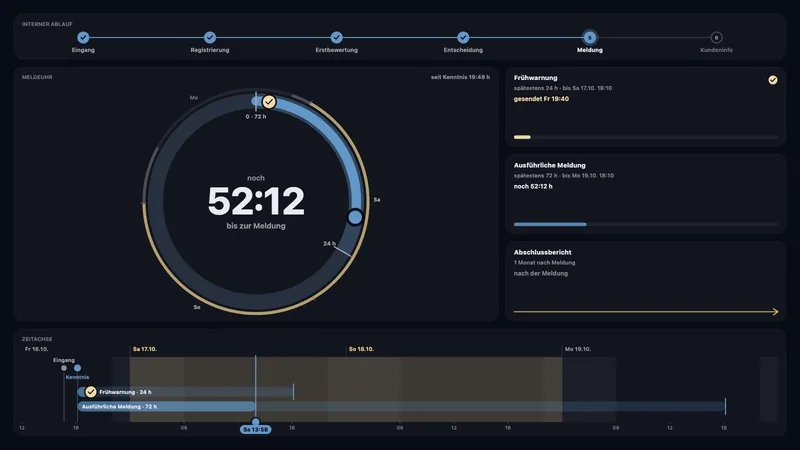
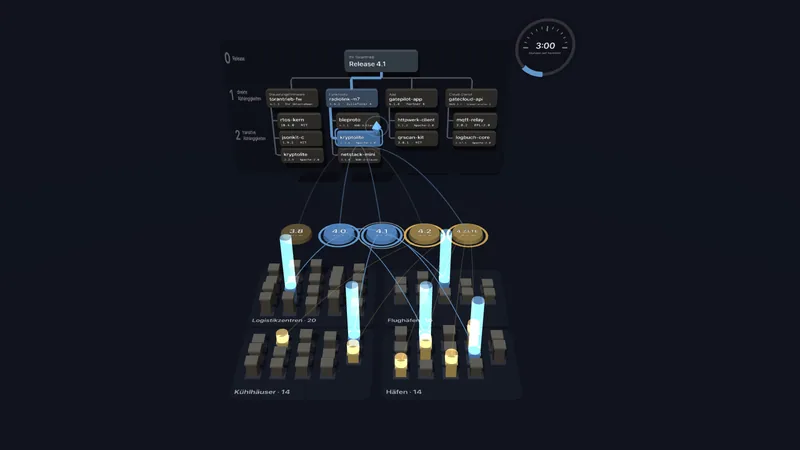
What the CRA requires of manufacturers: checking whether it applies, meeting reporting deadlines, keeping software bills of materials.
5 appsOpen collection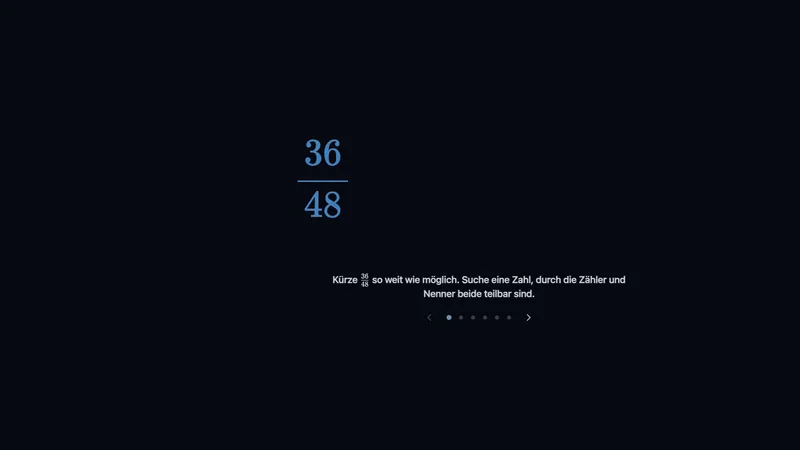
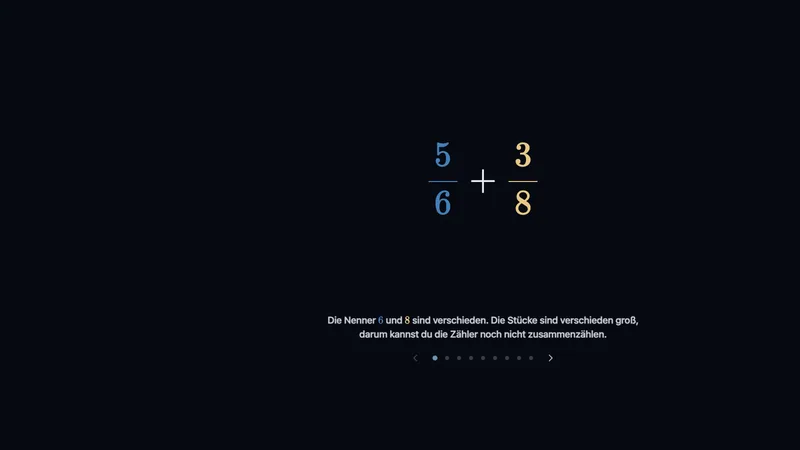
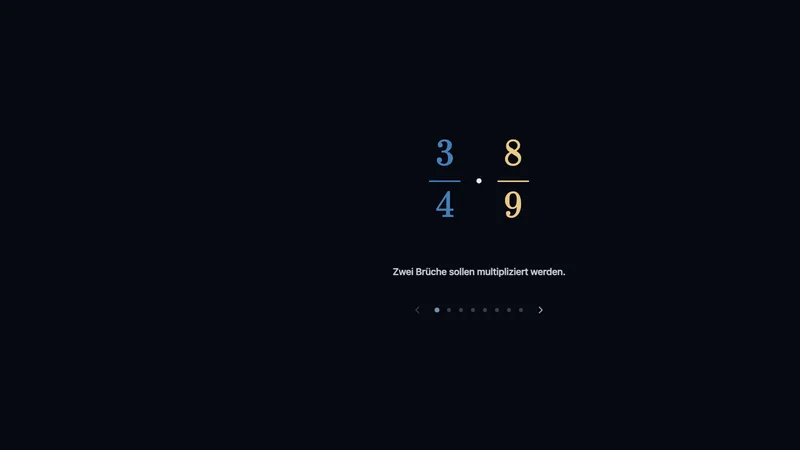
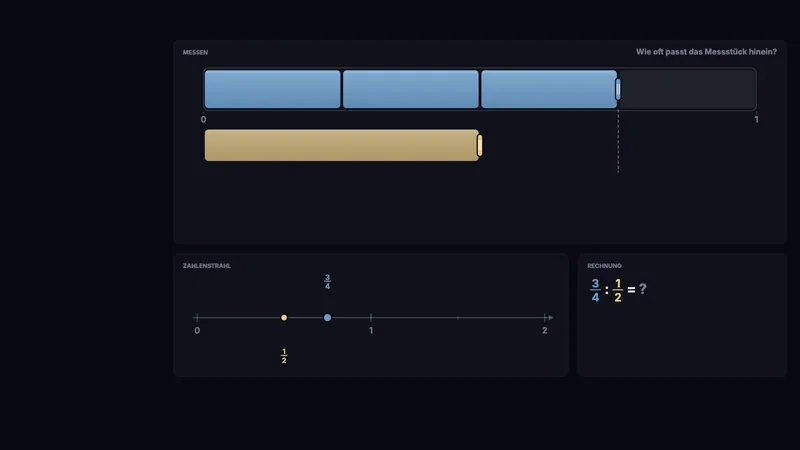
Reducing, common denominators, multiplying, dividing and mixed numbers: fractions step by step.
7 appsOpen collection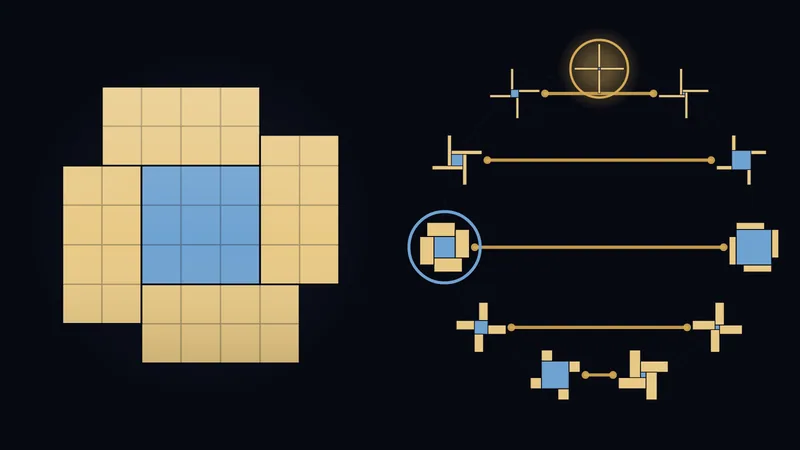
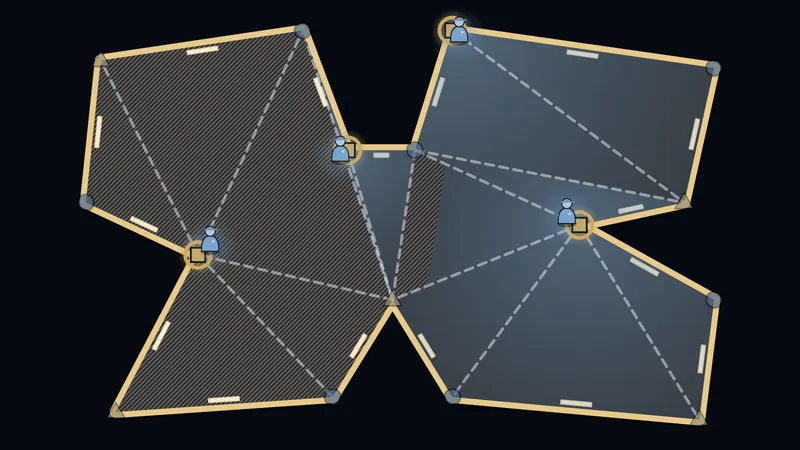
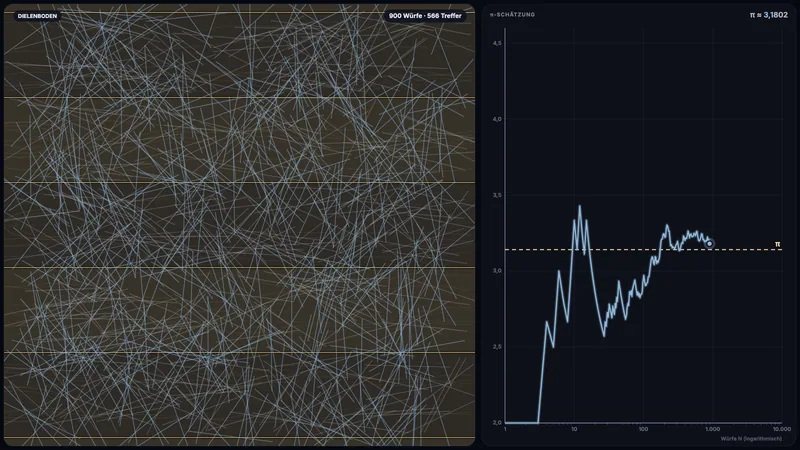
Proofs of special beauty to touch: Zagier's windmills, the museum guards and Buffon's needle.
3 appsOpen collection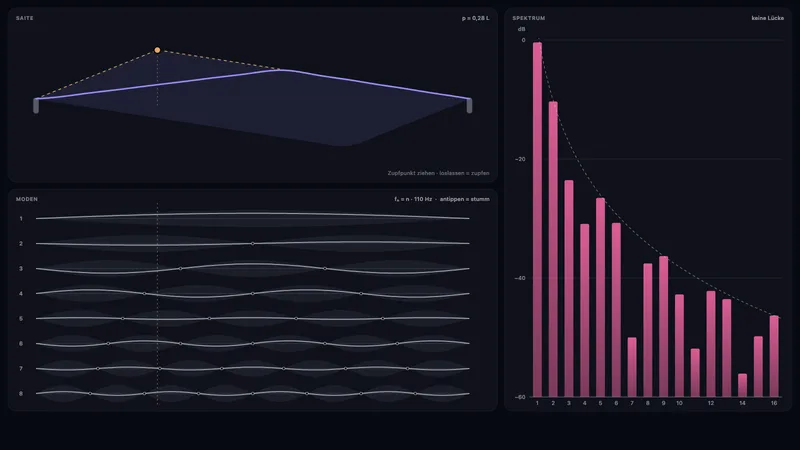
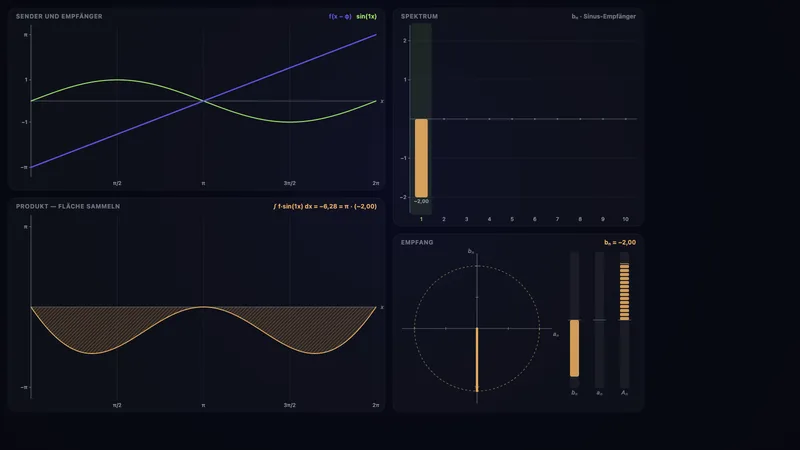
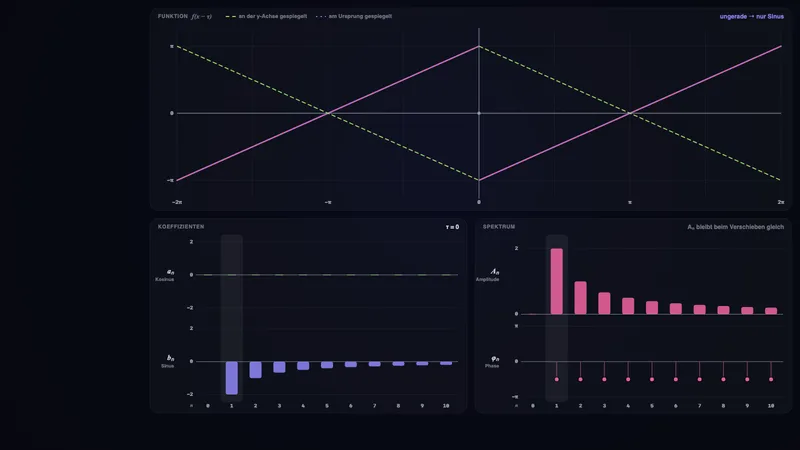
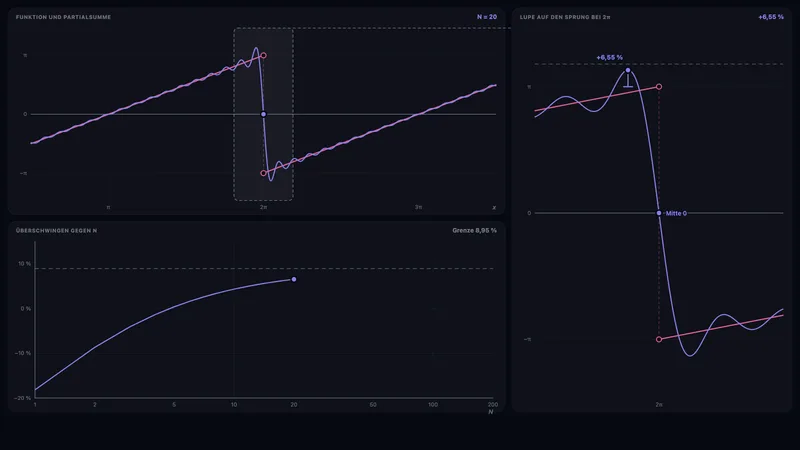
How oscillations break down: coefficients, symmetry, phasor chains, the Gibbs phenomenon and the plucked string.
7 appsOpen collection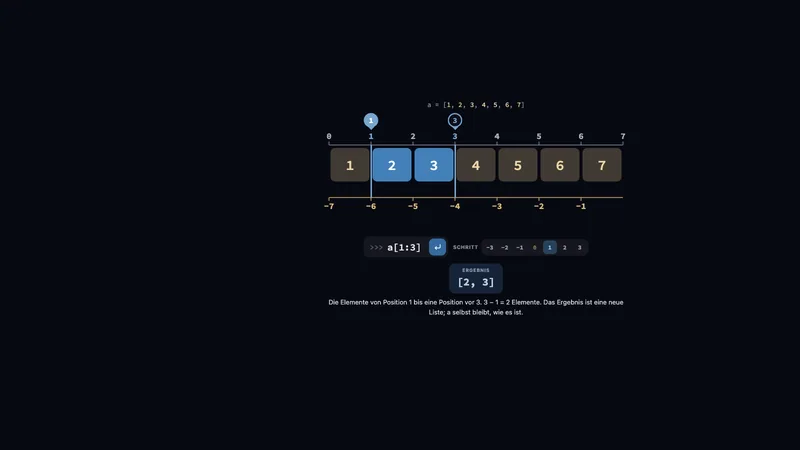
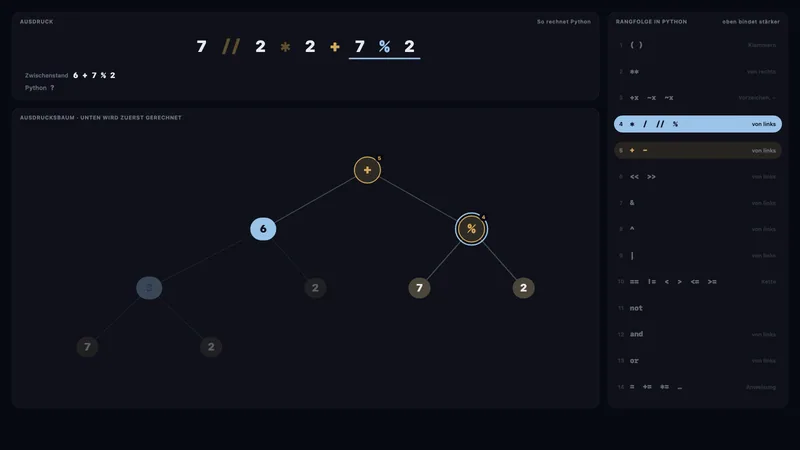
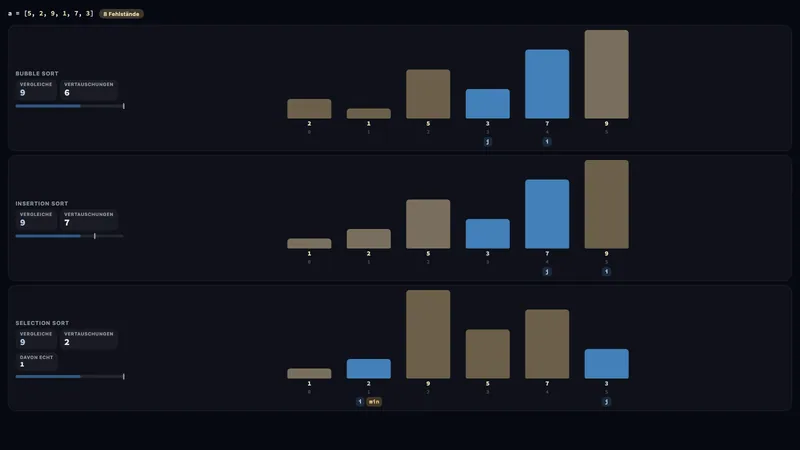
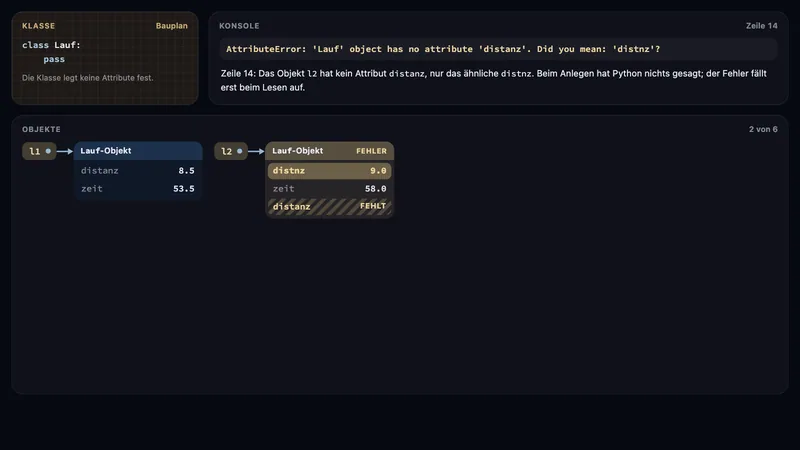
What happens inside the machine: objects, methods, operators, slicing and sorting in Python, visible step by step.
9 appsOpen collection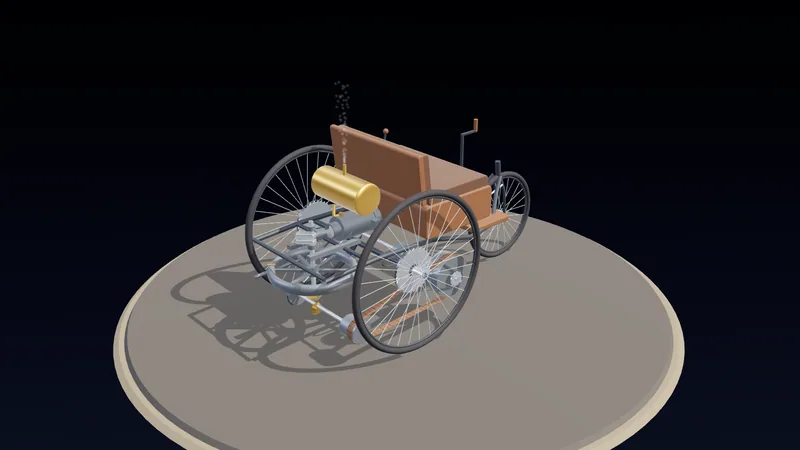
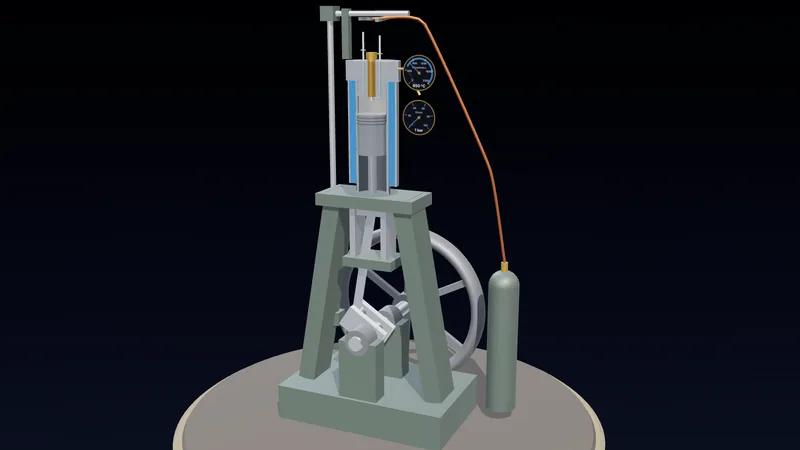
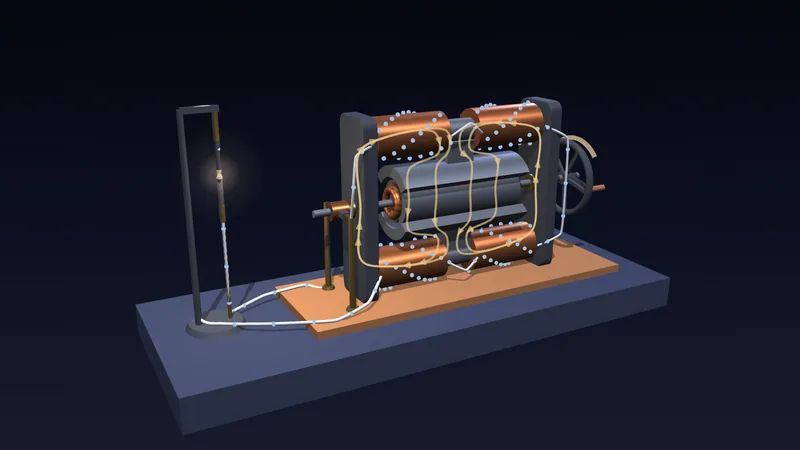
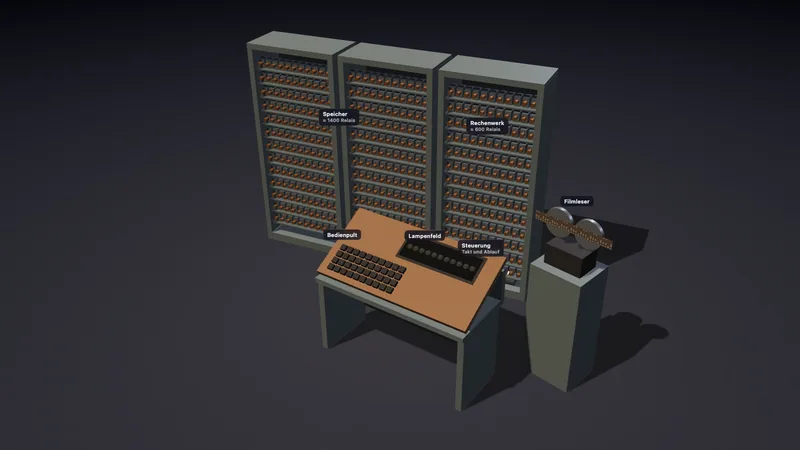
From the Patent Motor Car to the Z3: famous machines and experiments cut open in 3D.
11 appsOpen collection
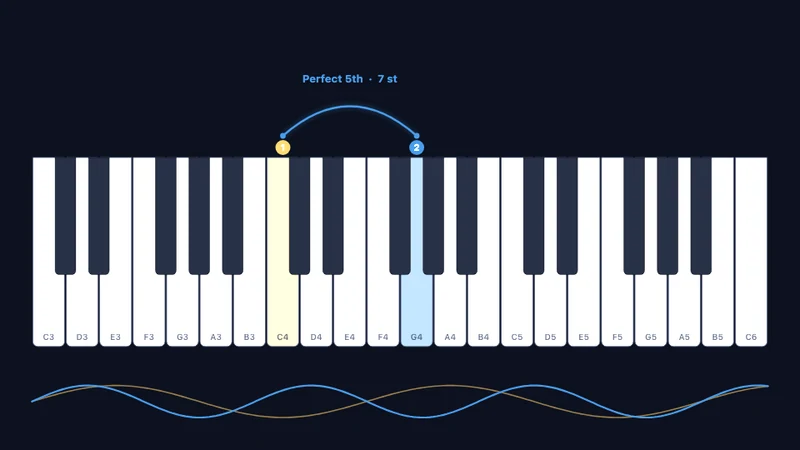
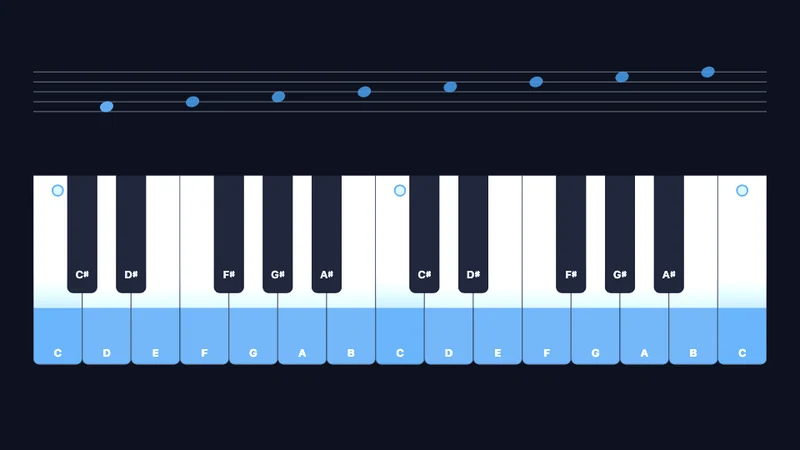
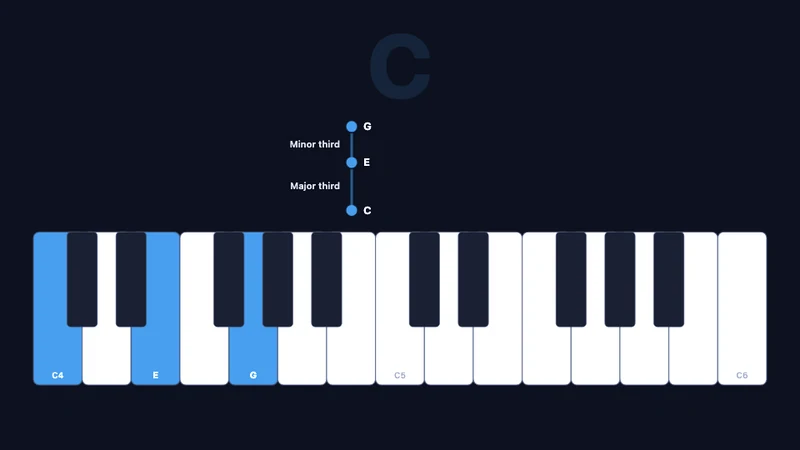
Keyboard, intervals, scales, chords, the circle of fifths and groove: music theory you hear and play.
9 appsOpen collection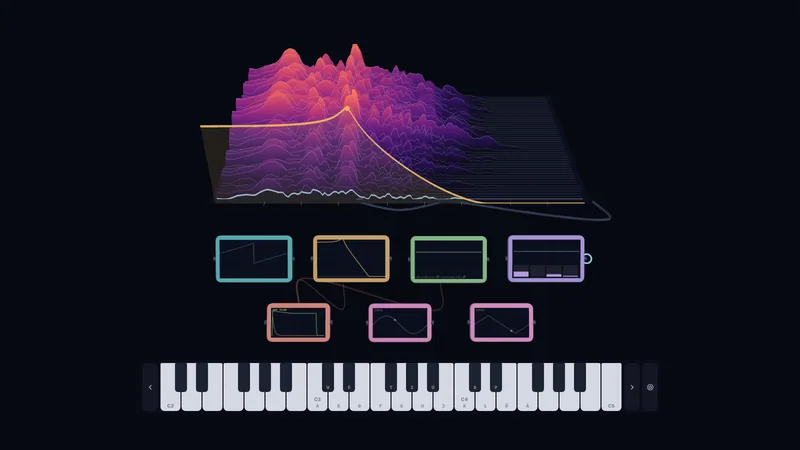
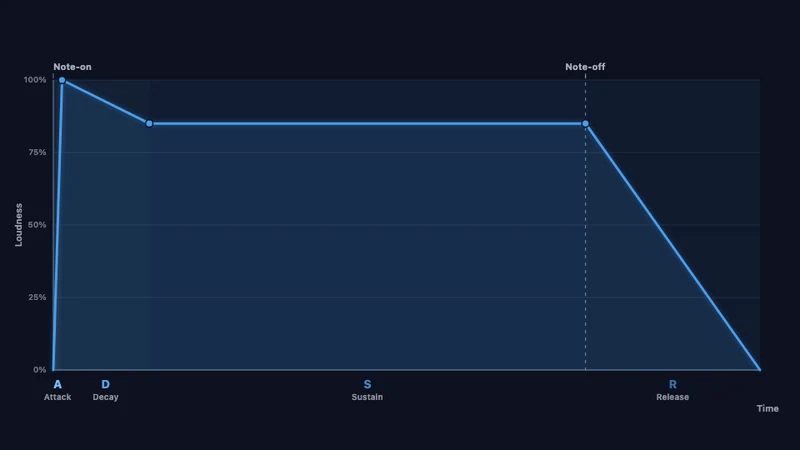
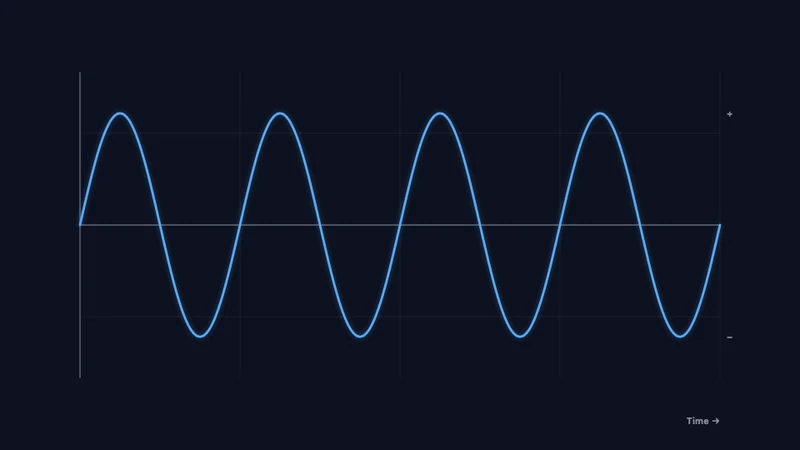
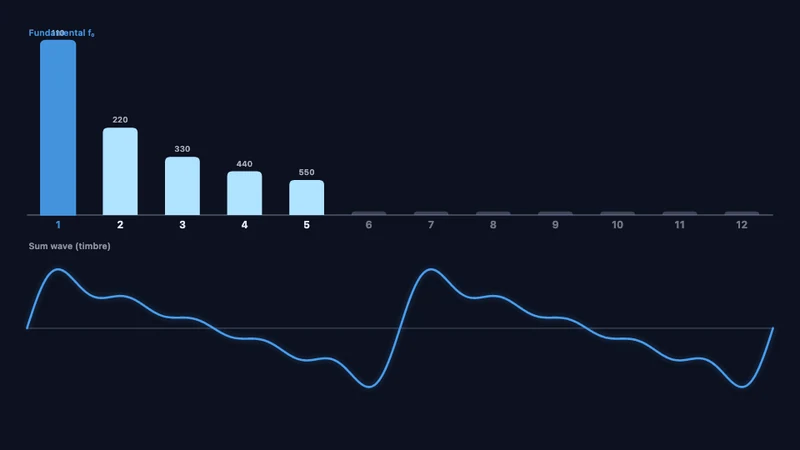
How sound is made and shaped: synthesizers and samplers, envelopes and overtones, waveforms and timbre, voice and orchestra, room acoustics and sound scenography — all audible in your browser.
16 appsOpen collection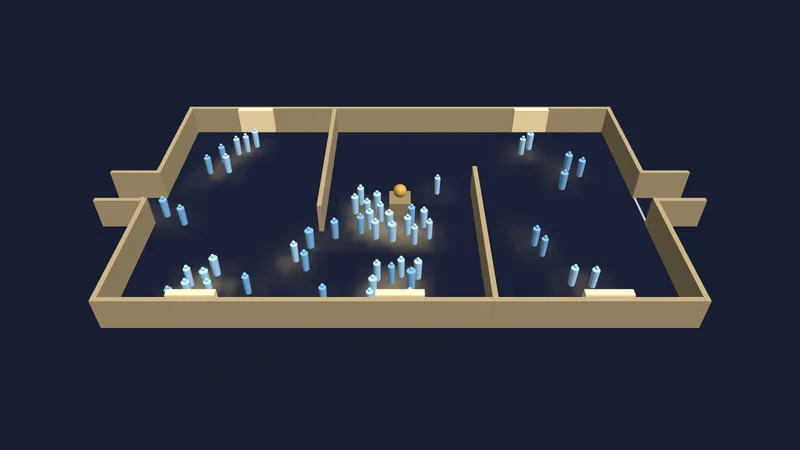
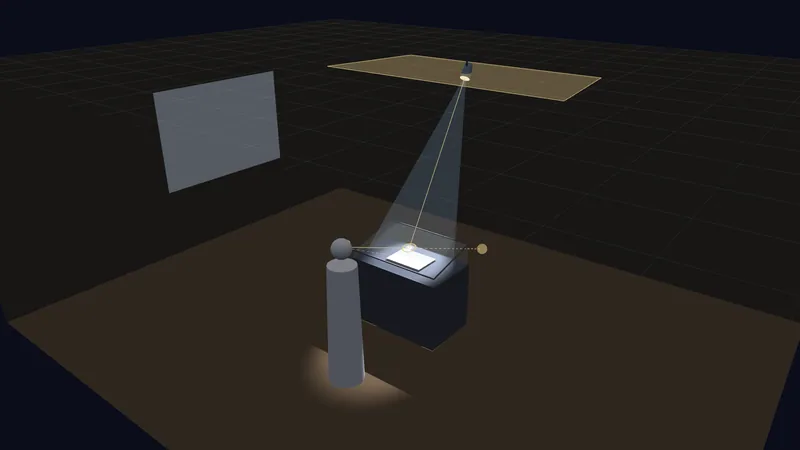
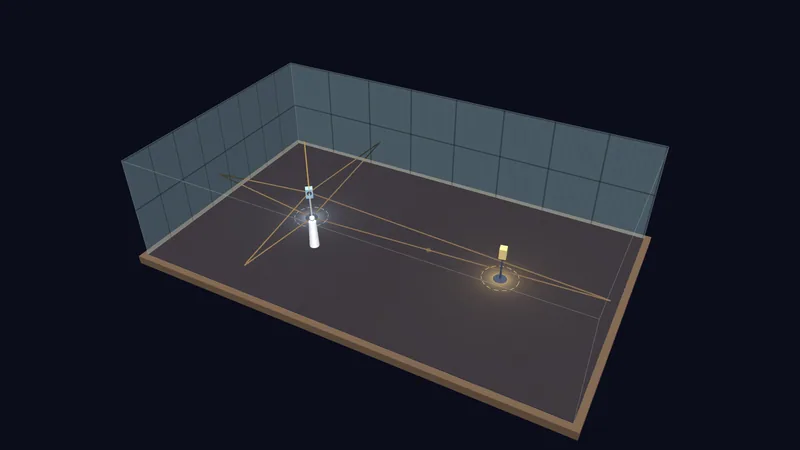
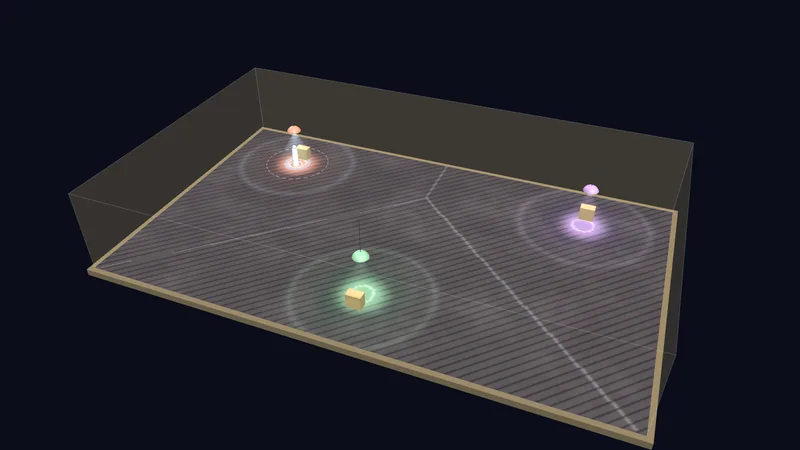
Staging space, sight, light, sound and paths: visitor flows, showcase lighting, room acoustics, sound islands, projection mapping and the pavilions of world expos to try out.
15 appsOpen collection
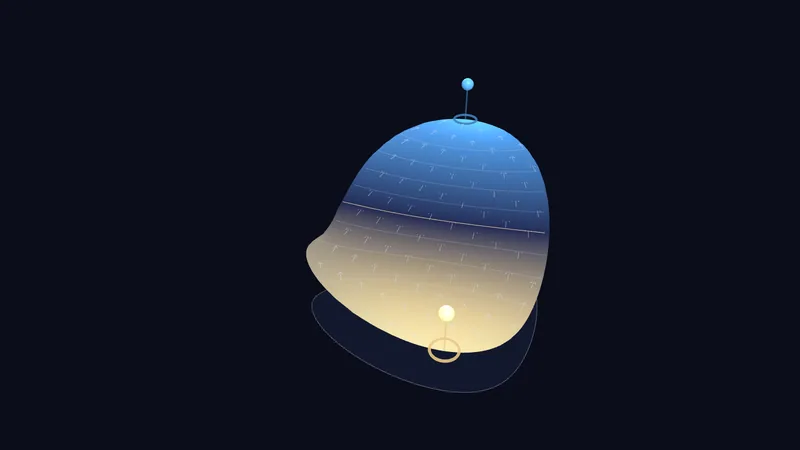
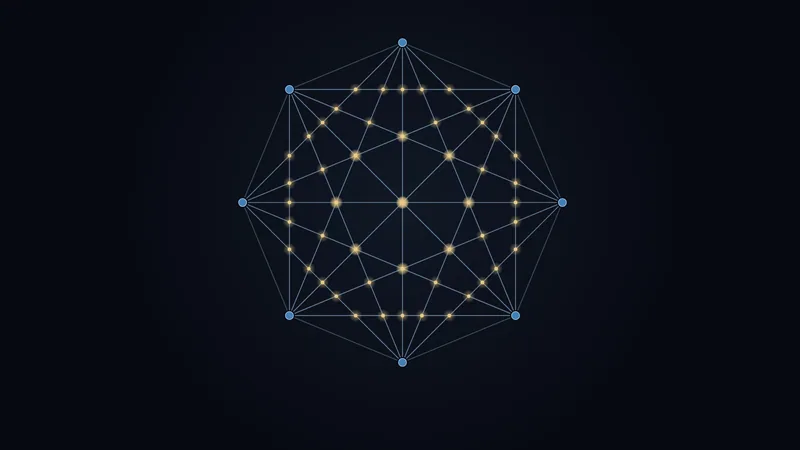
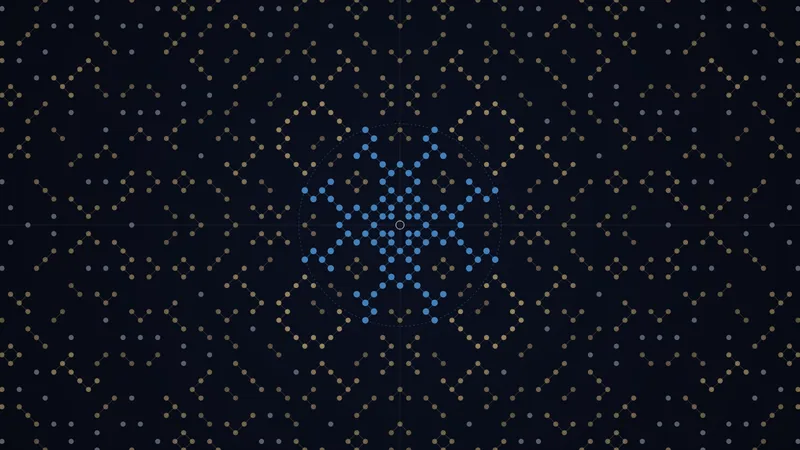
Mathematical questions open for decades, for which an AI model proposed solutions in 2026, as interactive apps: understand the problem, experience the result.
32 appsOpen collection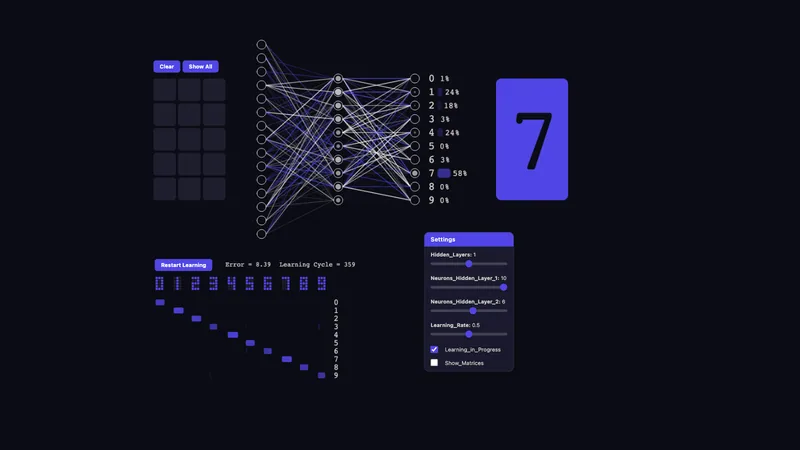
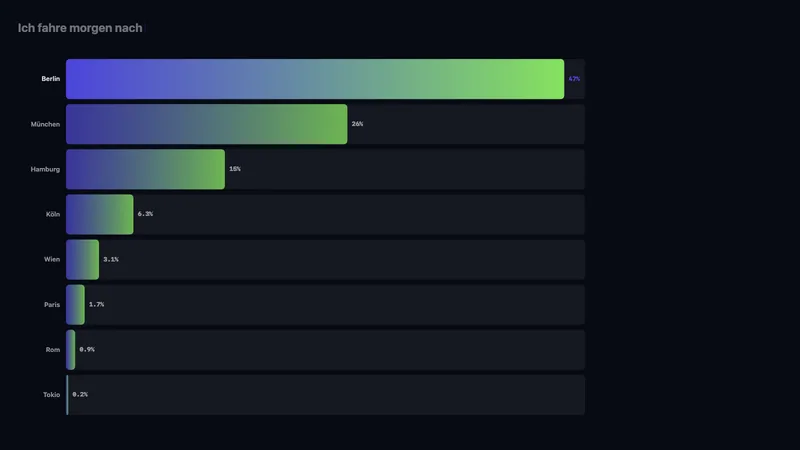
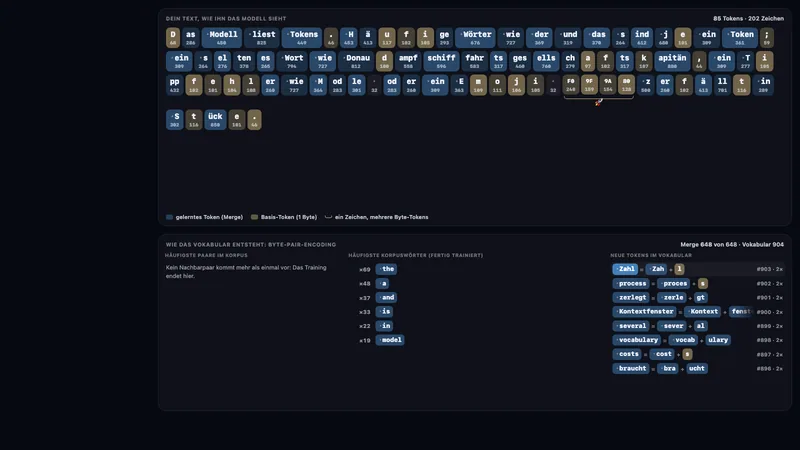
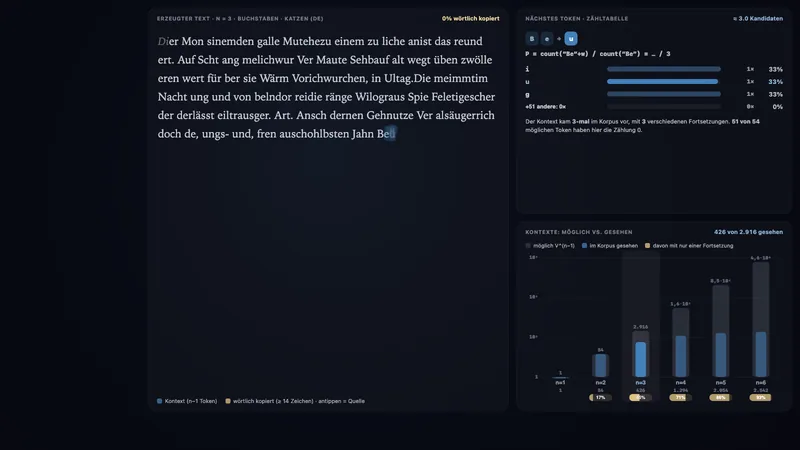
From neurons and gradients to transformers, RLHF and agents: machine learning you can touch.
44 appsOpen collection
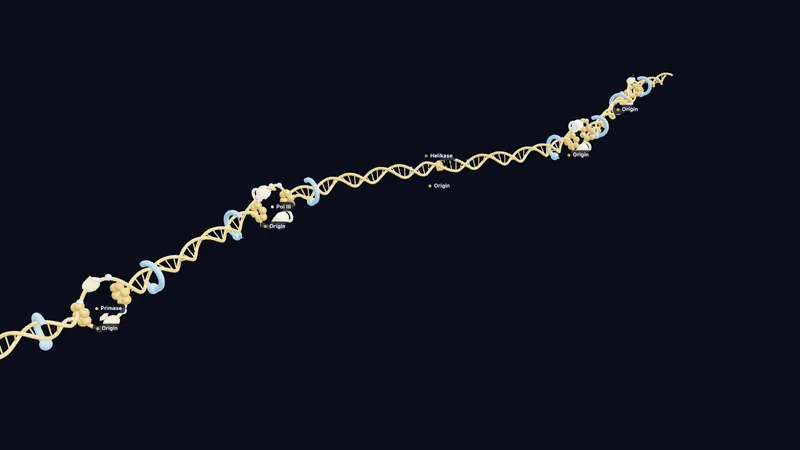
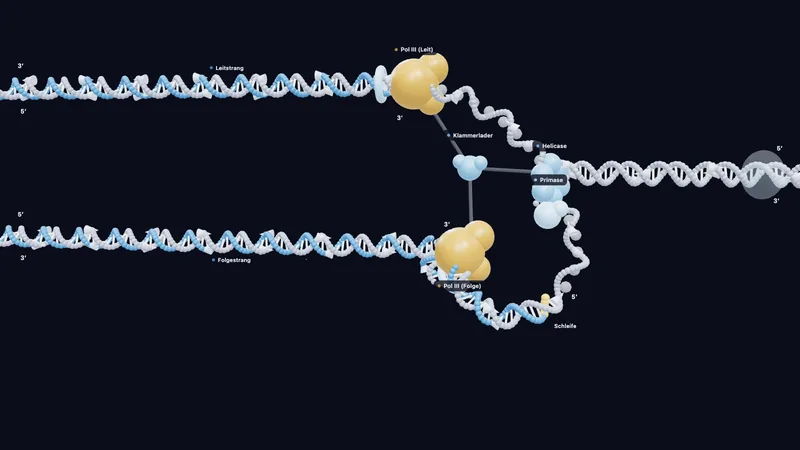
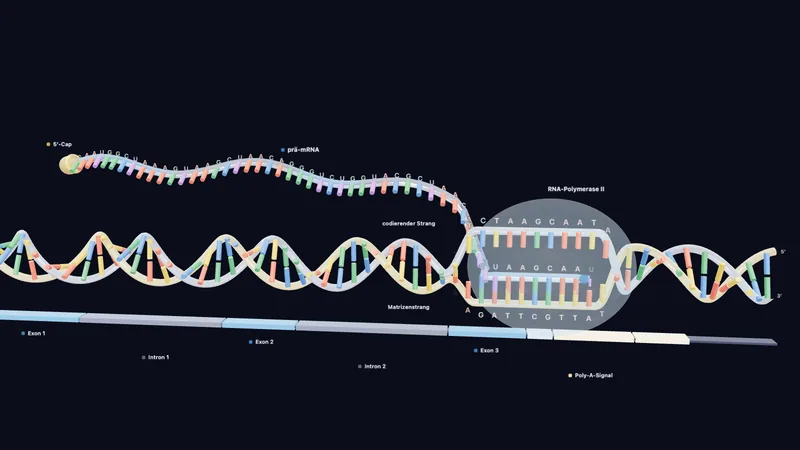
DNA, replication, transcription, translation and cell division as explorable 3D models.
24 appsOpen collection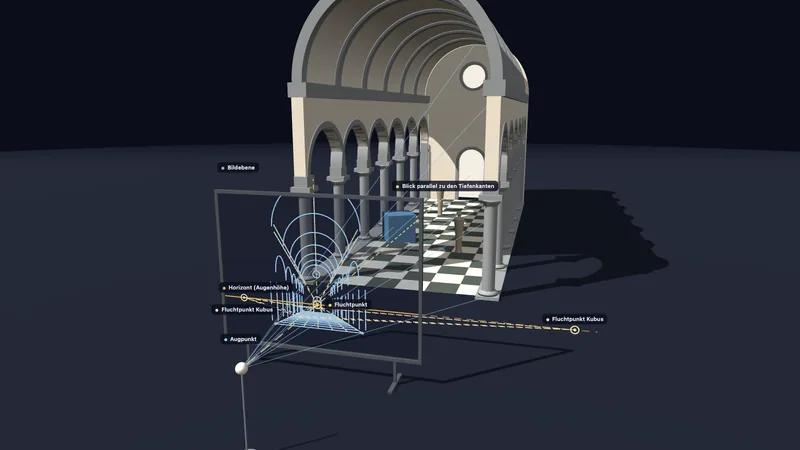
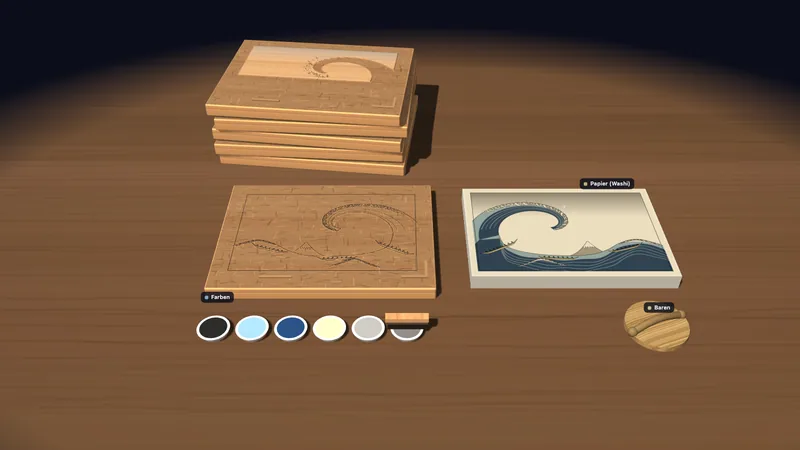
Perspective, ornament, structure and space: how art and architecture work with mathematics.
21 appsOpen collection
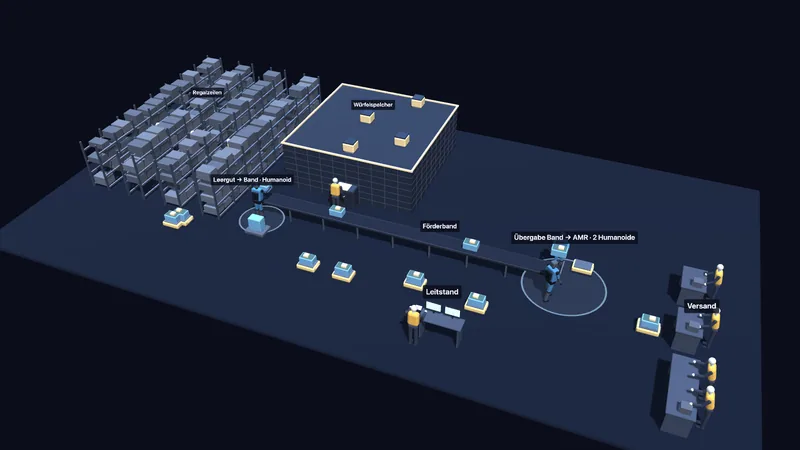
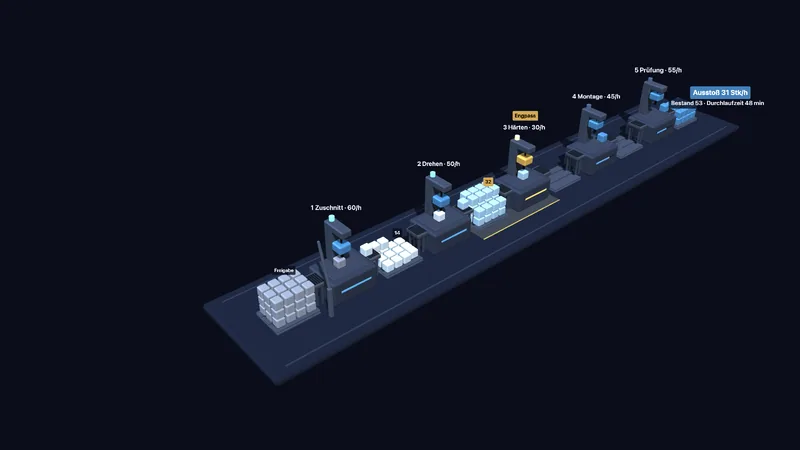
Hyperloop, autonomous vehicles, warehouses and conveyors: logistics as interactive simulation.
17 appsOpen collection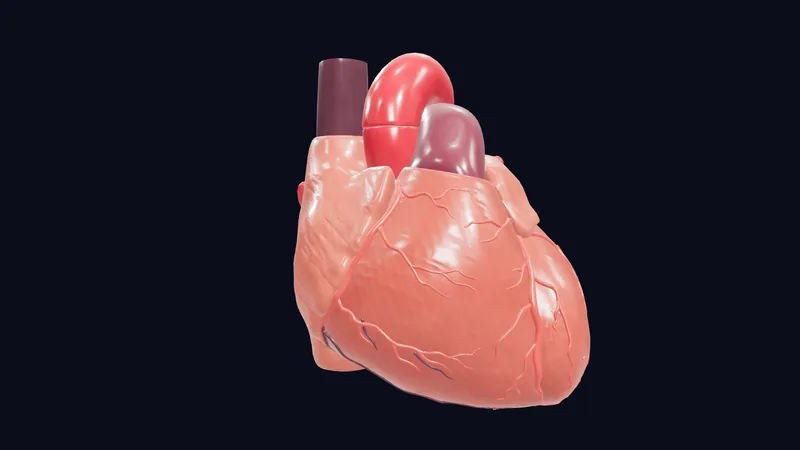
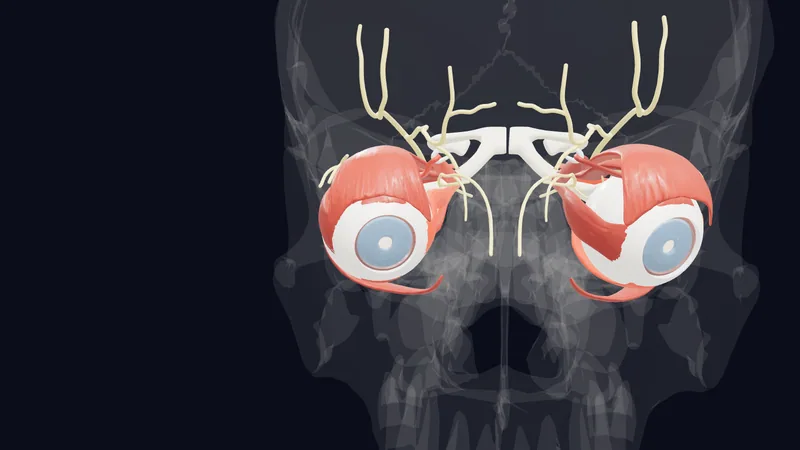
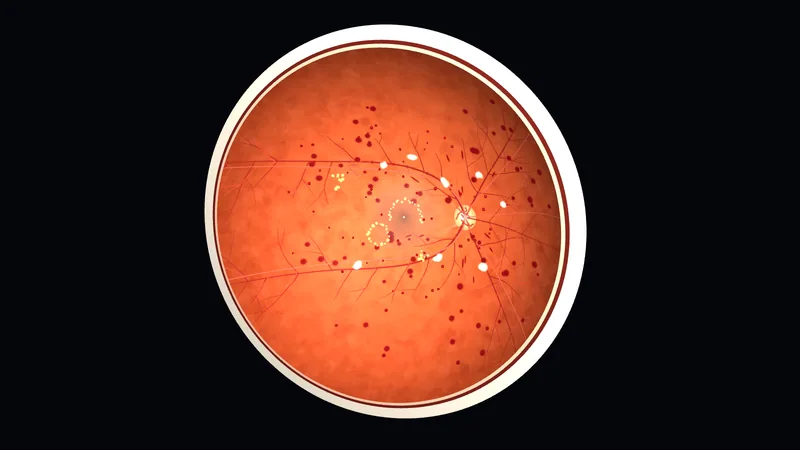
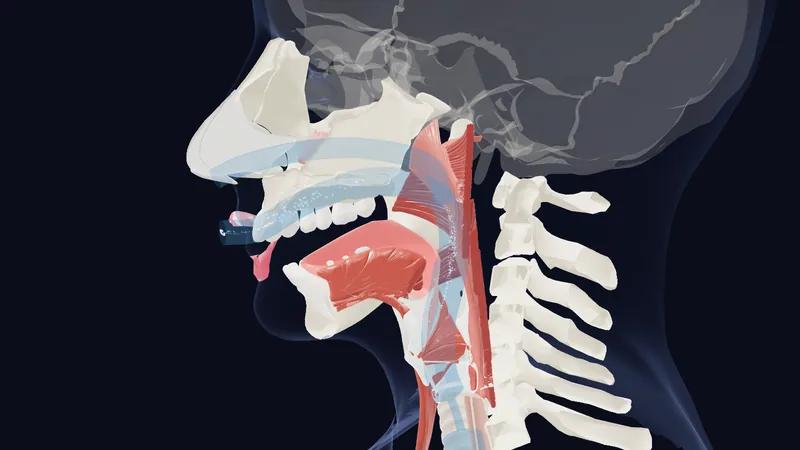
Heart, eye, voice, skeleton and nerves: the human body in 3D, layer by layer.
10 appsOpen collection
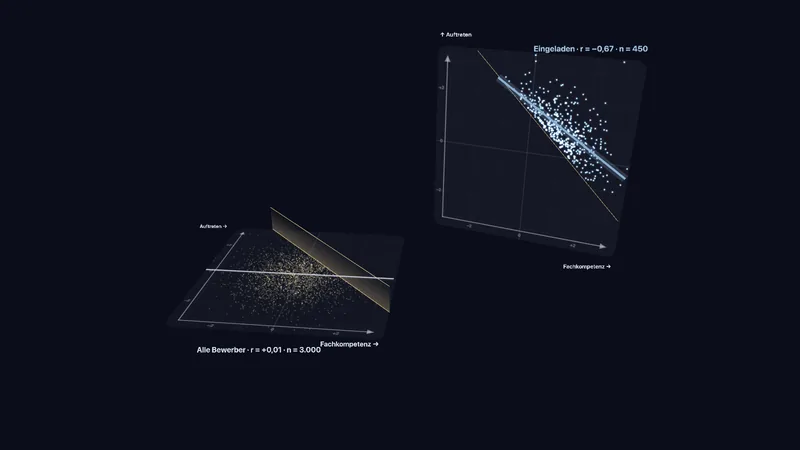
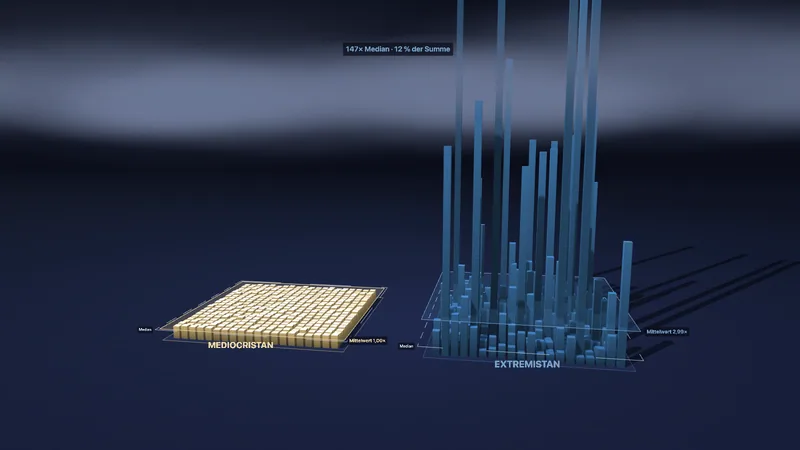
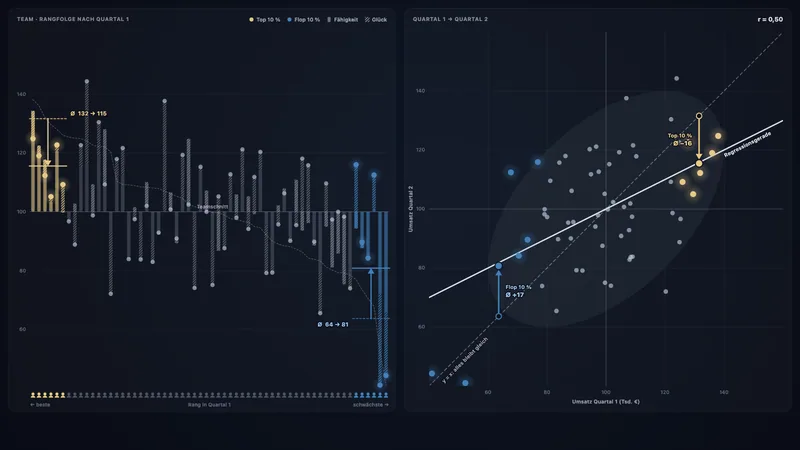
Monty Hall, Simpson, Berkson and base rates: where intuition fails us with numbers.
14 appsOpen collection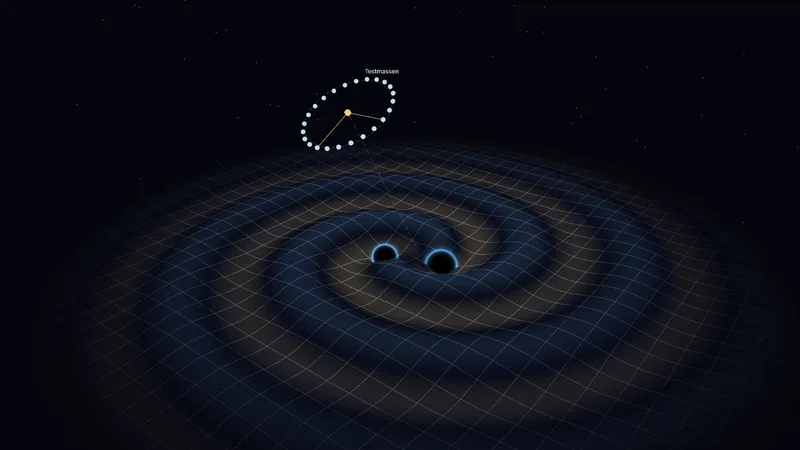
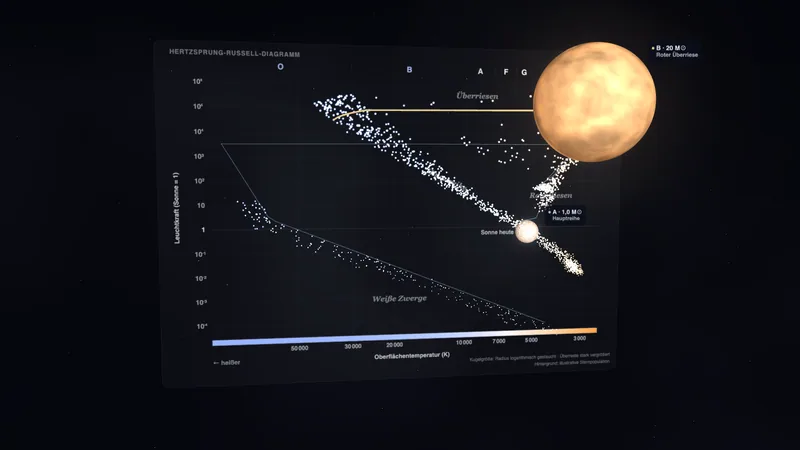
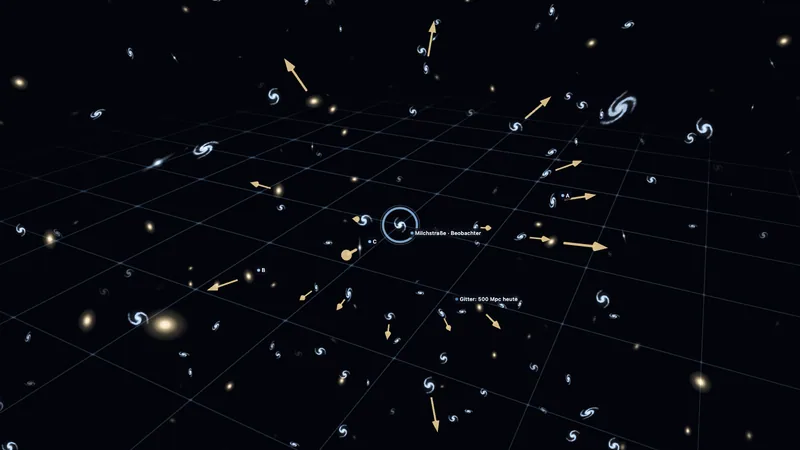

Planets, stars, black holes and space probes: the cosmos to explore.
10 appsOpen collection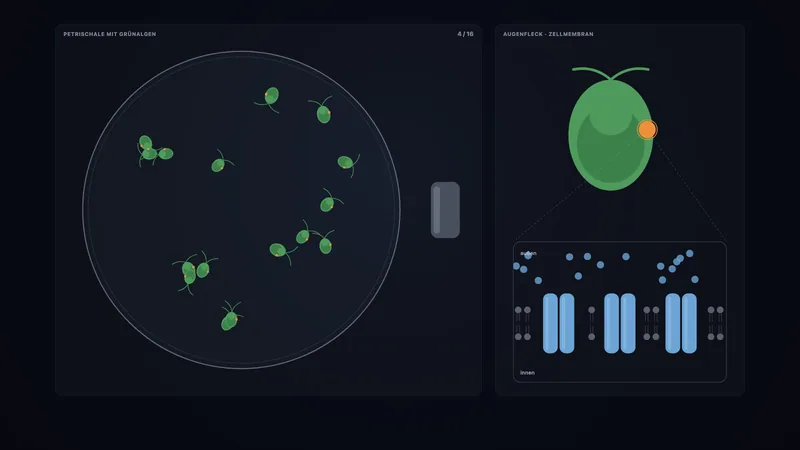
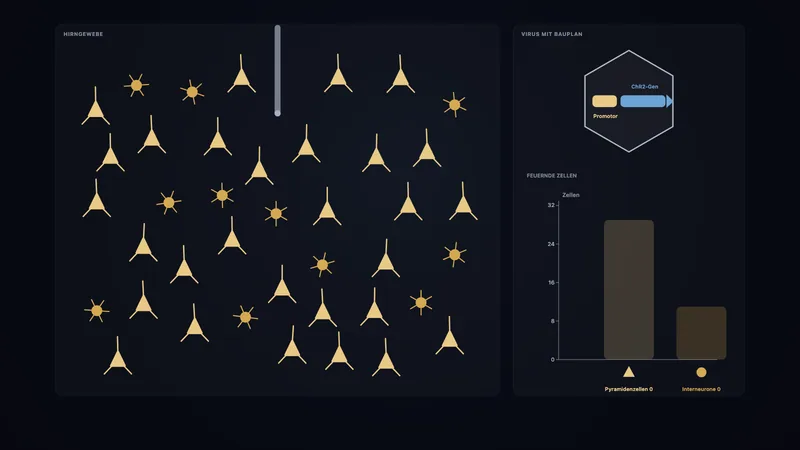
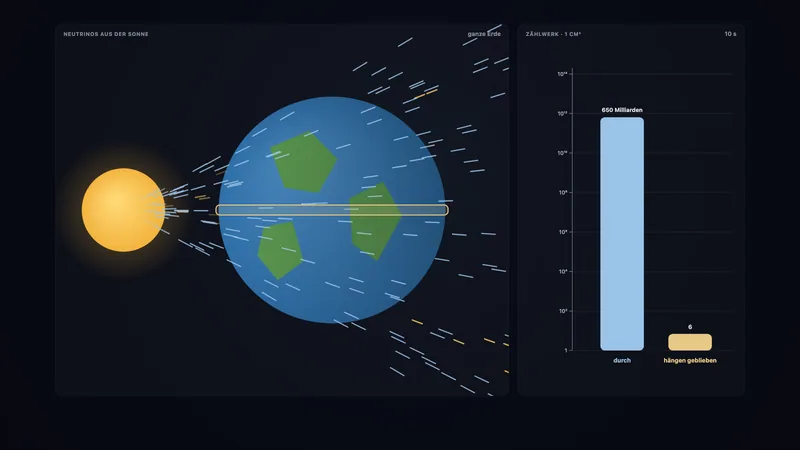
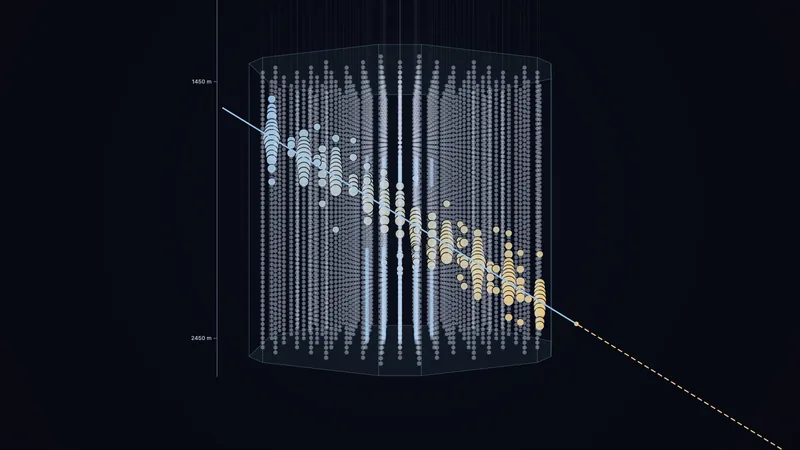
Light switches for nerve cells, a telescope made of ice, mirror-image chemistry and interest rates: the 2026 Nobel Prizes to try out.
8 appsOpen collection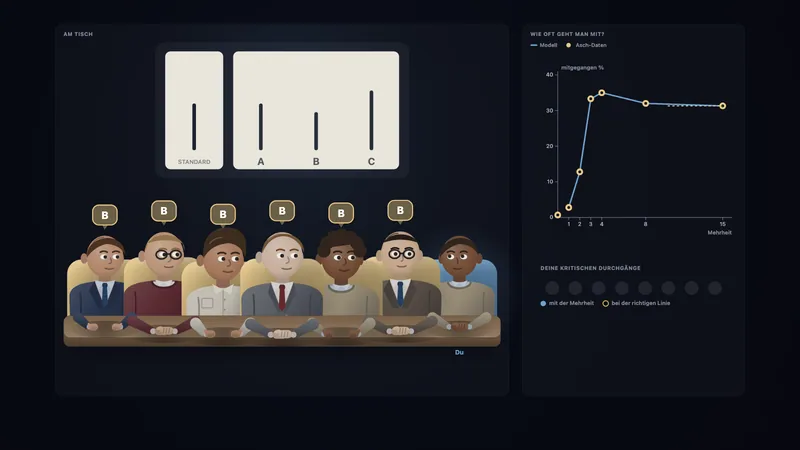
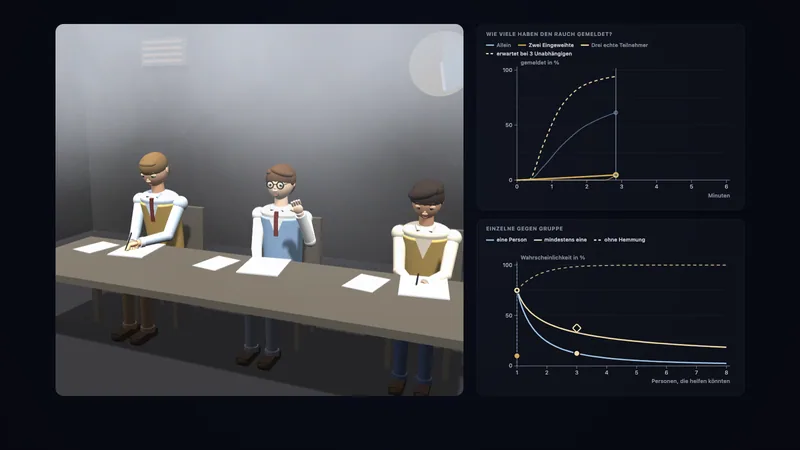
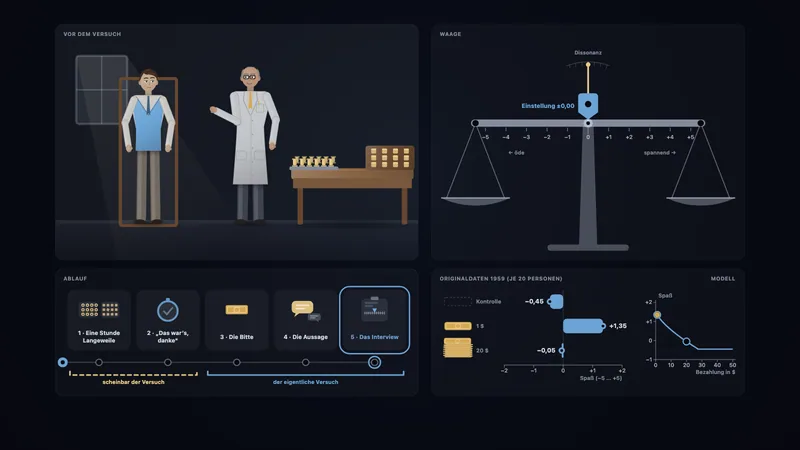
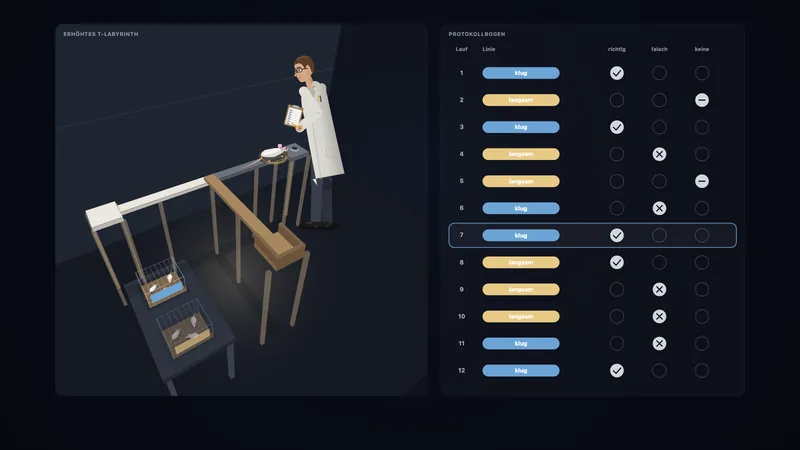
Planted participants, smoke in the room, one dollar for a lie and experimenters who are themselves the subjects: famous social psychology experiments to try yourself.
5 appsOpen collection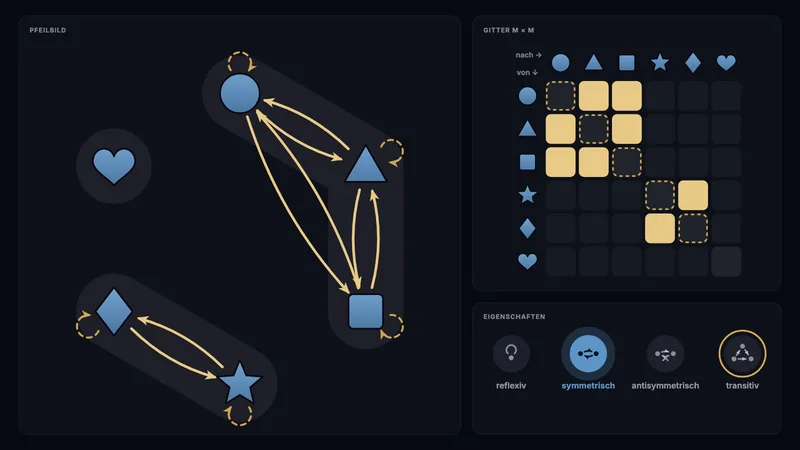
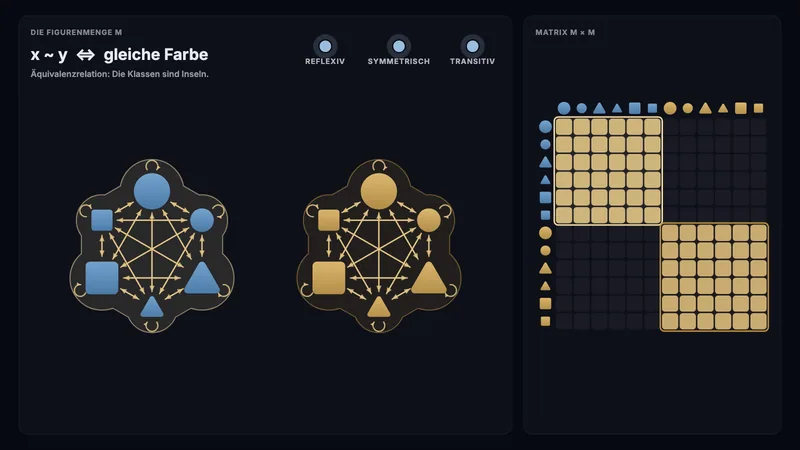
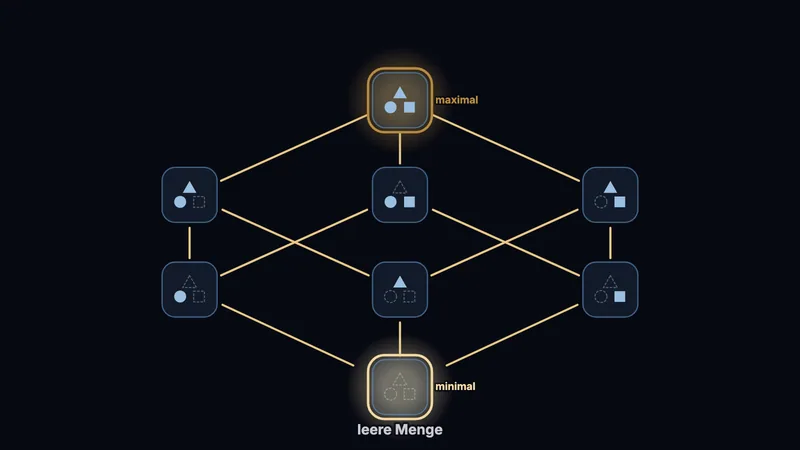
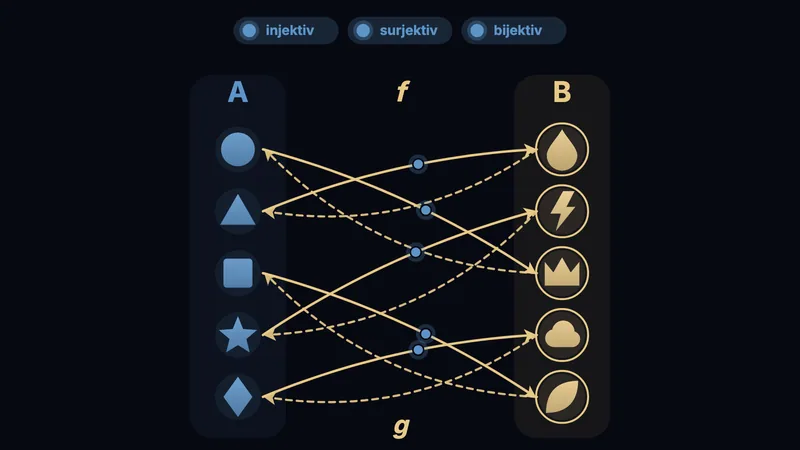
Relations, classes, orders, bijections, different infinities and topology: mathematics as the science of structure, hands-on.
11 appsOpen collection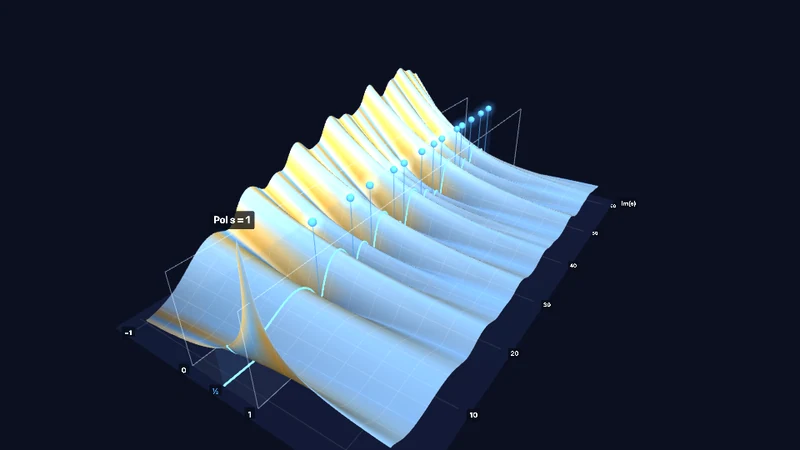
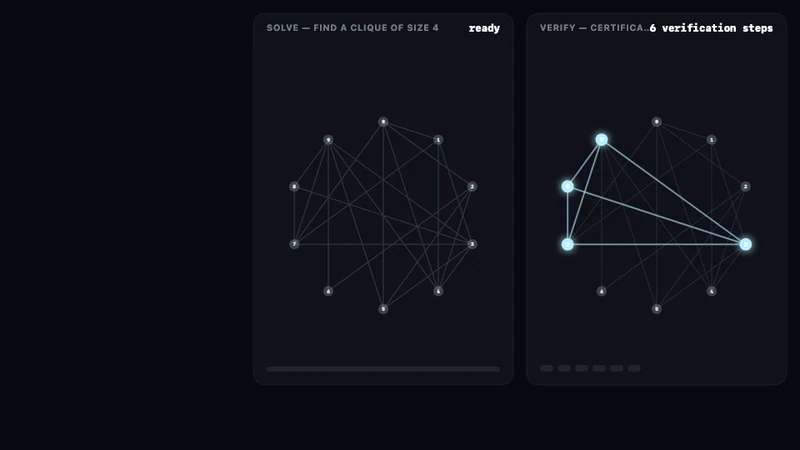
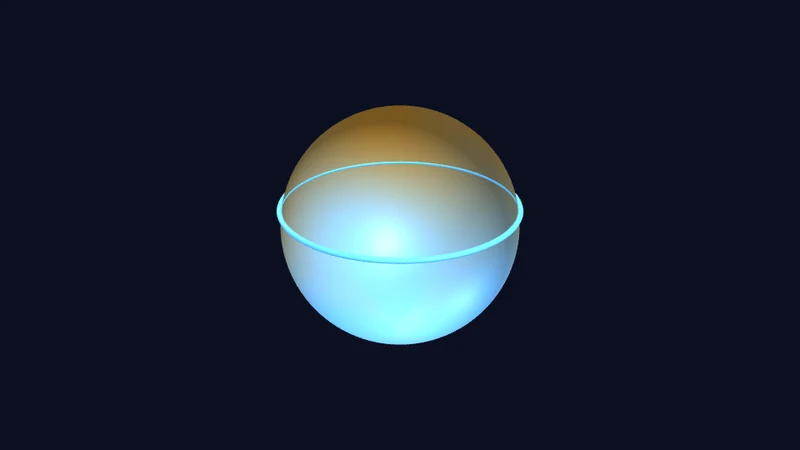
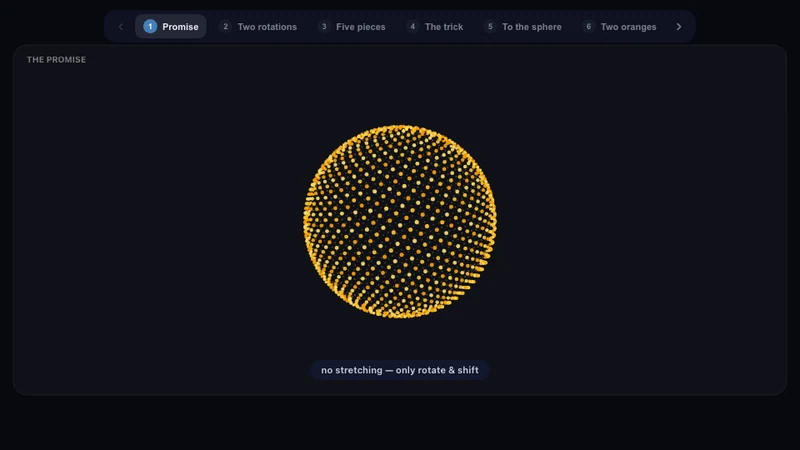
Riemann, P vs NP, Poincaré and other great questions of mathematics, made tangible.
16 appsOpen collection
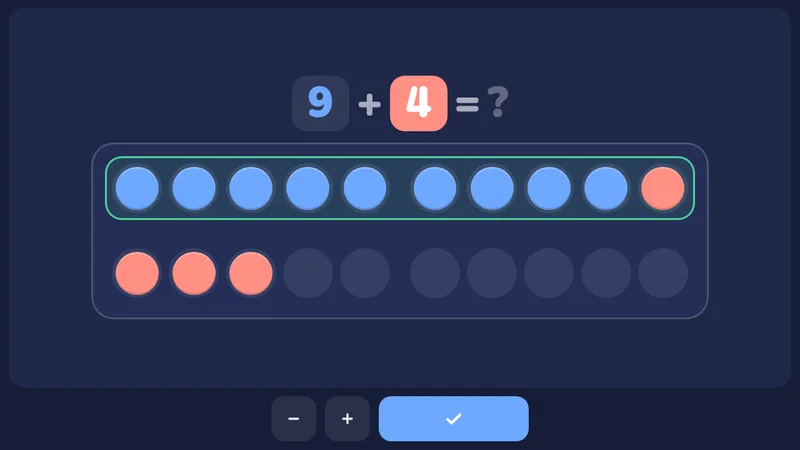
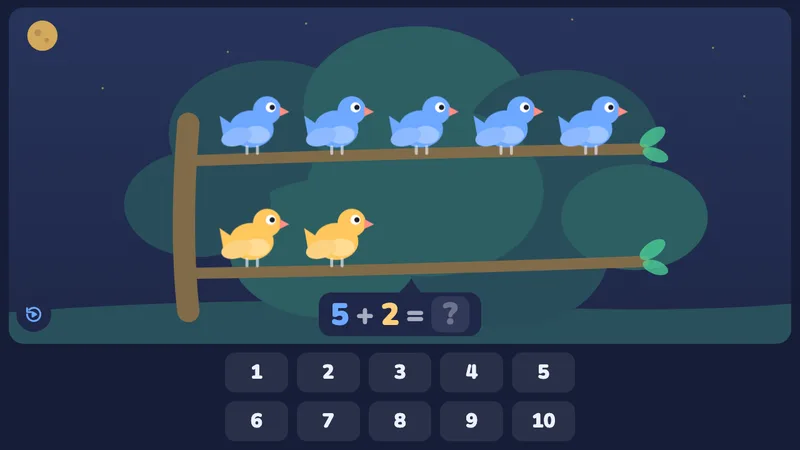
Counting, arithmetic and shapes: maths for beginners, playful and clear.
6 appsOpen collectionWant to use these apps in your courses? Let’s find out what works for you.
One form, three matters. We answer personally.
We show heyprof on your own material. Tell us what you teach and we will prepare the conversation around it.